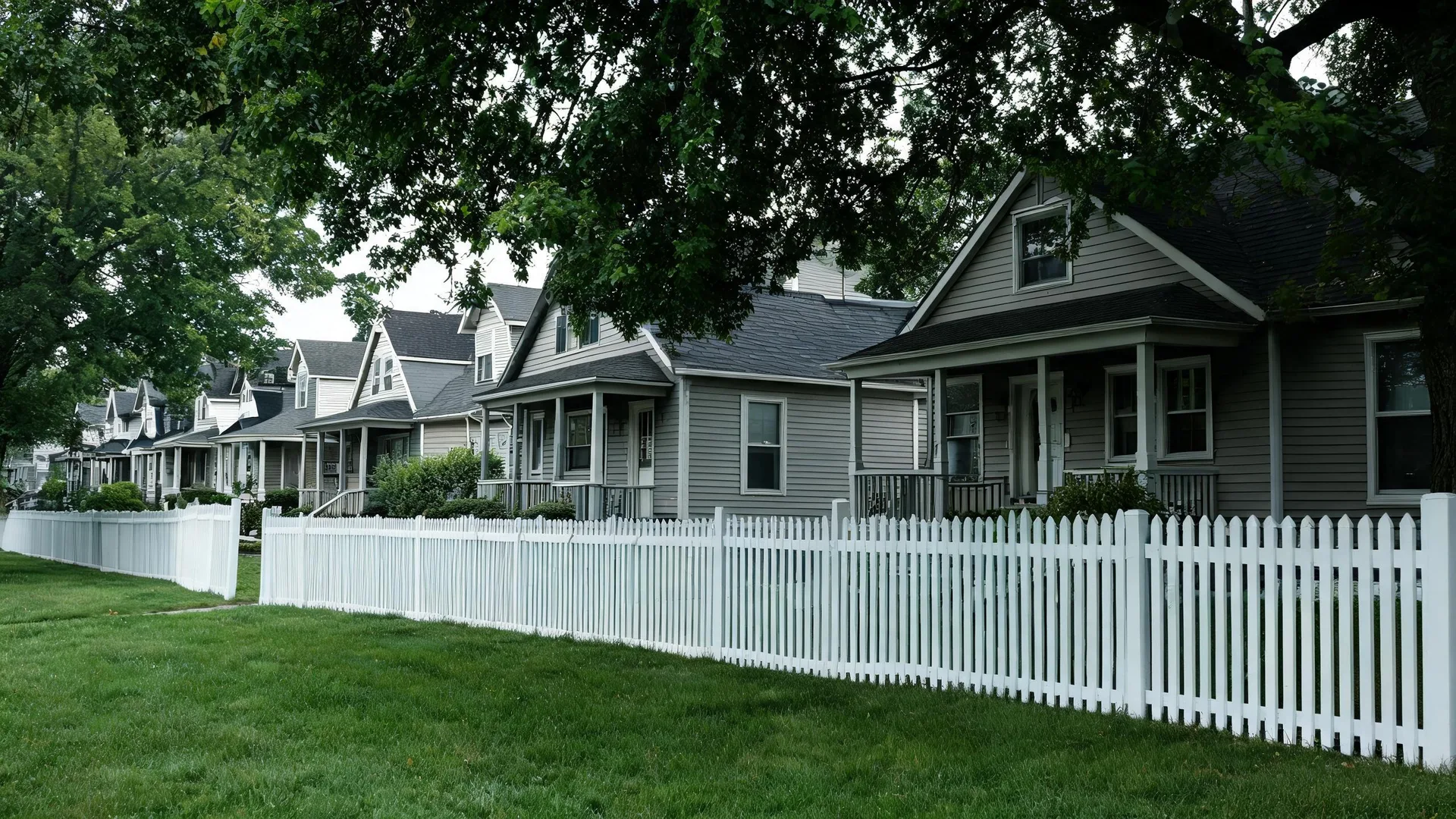




A row of gray-sided houses with porches and gabled roofs behind a white picket fence, with mown grass in the foreground and leafy tree branches overhead.

Mini Split Installation in Lancaster, PA

Tell us about the job

Takes about a minute. No obligation.

Step 1 of 3: Equipment

Lancaster County saw 268 severe weather events between 2015 and 2024. Damaging wind came through 215 times in that stretch, hail 31 times, and six tornadoes touched down. An outdoor compressor sits outside through all of it, exposed to whatever the wind throws at it. Across Pennsylvania, 15% of households went at least a full day without power in 2024. A mini-split won't run without power, and neither will a backup heat strip or a water heater. Where the outdoor unit goes and what backs it up are worth working out before the install, not after a storm.

7 months
October through April, your system heats
3 months
June through August, it cools
24°F
the average winter night it heats against
84°F
the average summer afternoon it cools against
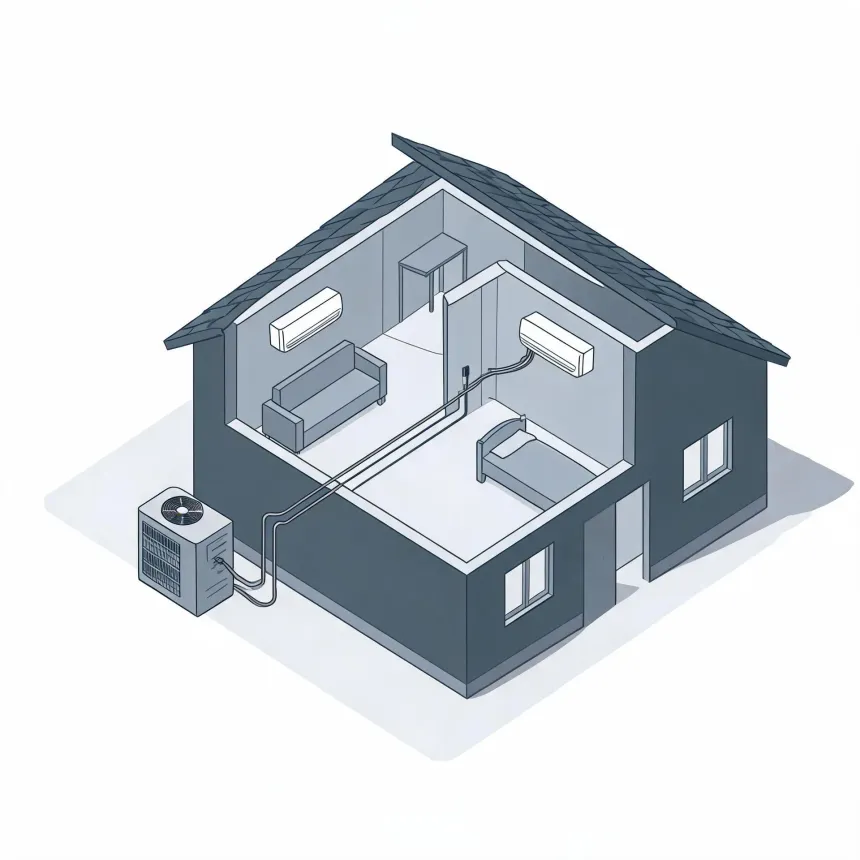
Isometric cutaway illustration of a small house showing two wall-mounted indoor air conditioning units connected by line sets to an outdoor condenser unit beside the exterior wall, with a sofa in one room and a bed in another.
Your system heats October through April and cools June through August.

NOAA nClimDiv, 1991–2020 normals

Electricity in Lancaster County runs 18.86 cents per kilowatt-hour, more than most US counties pay.

A mini-split that sips power instead of guzzling it keeps that rate from showing up on every bill.

Most homes here already run on electricity, and a mini-split fits right into that

35.5% of homes heat with electricity
Cooling runs June through August
Summer afternoons average 84°F
Get it in before JuneCooling runs June through August here, so May is the month to have it ready.

Lancaster County falls under climate zone 4A, a mixed zone where both the furnace and the AC put in real hours. Any mini-split installed here has to clear a federal efficiency floor set for that kind of work. For units built from 2023 onward, that means pulling at least 14.3 Btu of cooling from every watt-hour of power, and delivering at least 7.5 Btu of heat per watt-hour when it's running in reverse. That standard applies to ductless systems the same as it does to ducted ones. It narrows what a contractor can legally install, but it also means whatever goes in has a baseline worth expecting.

Plan the outdoor unit and the backup before it's installed

Where the outdoor unit sits and what keeps it running through an outage are decisions that belong in the install plan, not an afterthought once it's in. Settle both with the contractor now, while placement and backup options are still open.

Find a contractor
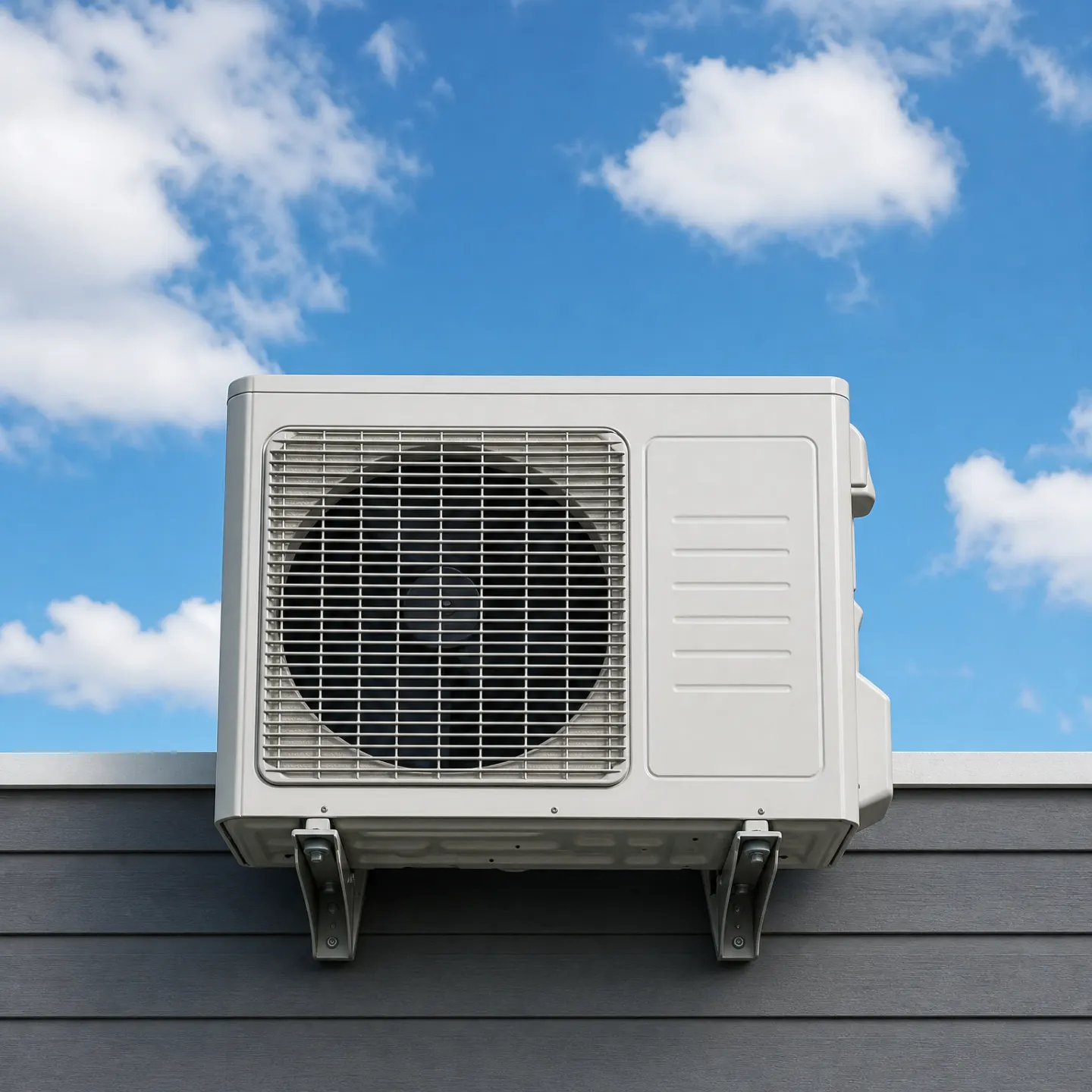
A white outdoor air conditioner condenser unit mounted on metal wall brackets against gray horizontal siding, with a blue sky and white clouds behind it.

The Old Equipment Doesn't Linger

If the old system is ducted, the air handler and ductwork usually stay put. A mini-split doesn't use that ductwork at all, so the old equipment gets disconnected and removed rather than tied in. The refrigerant in the old lines has to be recovered before anything is cut loose. That's not optional. It's handled with a recovery machine so nothing vents to the open air. Once the lines are empty, the old indoor unit, the old outdoor unit, and any abandoned line set come out. If the old system heated with a furnace that's staying in place for backup, the contractor will leave that alone and just tie the new mini-split in as its own zone. An old window unit or an old ductless system gets hauled away entirely, mounting bracket and all, so the wall is clear for the new line set and condensate drain.

The number of zones sets the size of the job

A single indoor head talking to one outdoor unit is the simplest install there is. Add a second or third head and the outdoor unit has to be sized for all of them running together, with separate line sets and separate power runs to each room. More heads means more wall penetrations, more mounting brackets, and more refrigerant line to run and insulate. The labor scales with the zone count more than almost anything else.

Where the line set has to travel changes the work

An outdoor unit sitting right below the indoor head, on the other side of one wall, is a short day's work. An outdoor unit placed around a corner, up a floor, or across the house means the line set has to run through framing, soffits, or a chase built to hide it. Every extra foot of line is refrigerant line that has to be brazed, pressure tested, and insulated, and every turn or obstacle adds time the straight shot wouldn't.

Ask what efficiency tier the proposed system carries before signing off on it. The federal minimum is a floor, not what every unit on the market delivers, and some cost a bit more to install while pulling less power for the same cooling and heat. On a system that runs hard all summer and carries real heating load all winter, that difference shows up on the electric bill every single month. A contractor can tell you the rated efficiency of what they're proposing and what a tier up would run. Worth asking before the install, not after the first bill comes in.

Installation day starts with the line set, not the units. The contractor runs refrigerant lines and a power cable between the spot picked for the outdoor unit and each indoor head, usually through a small hole drilled straight through the wall. The indoor head mounts on a bracket, the outdoor unit sits on a pad or brackets outside, and the lines connecting them get brazed into place. Once the connections are sealed, the system gets pressure tested to make sure no joint leaks before any refrigerant goes in. Air has to be pulled out of the lines with a vacuum pump next, because any moisture or air left inside will wreck the compressor over time. After the vacuum holds and the refrigerant is charged in, the contractor powers it up, checks the temperature split at the indoor head, and confirms the condensate drain is actually draining before calling the job done.