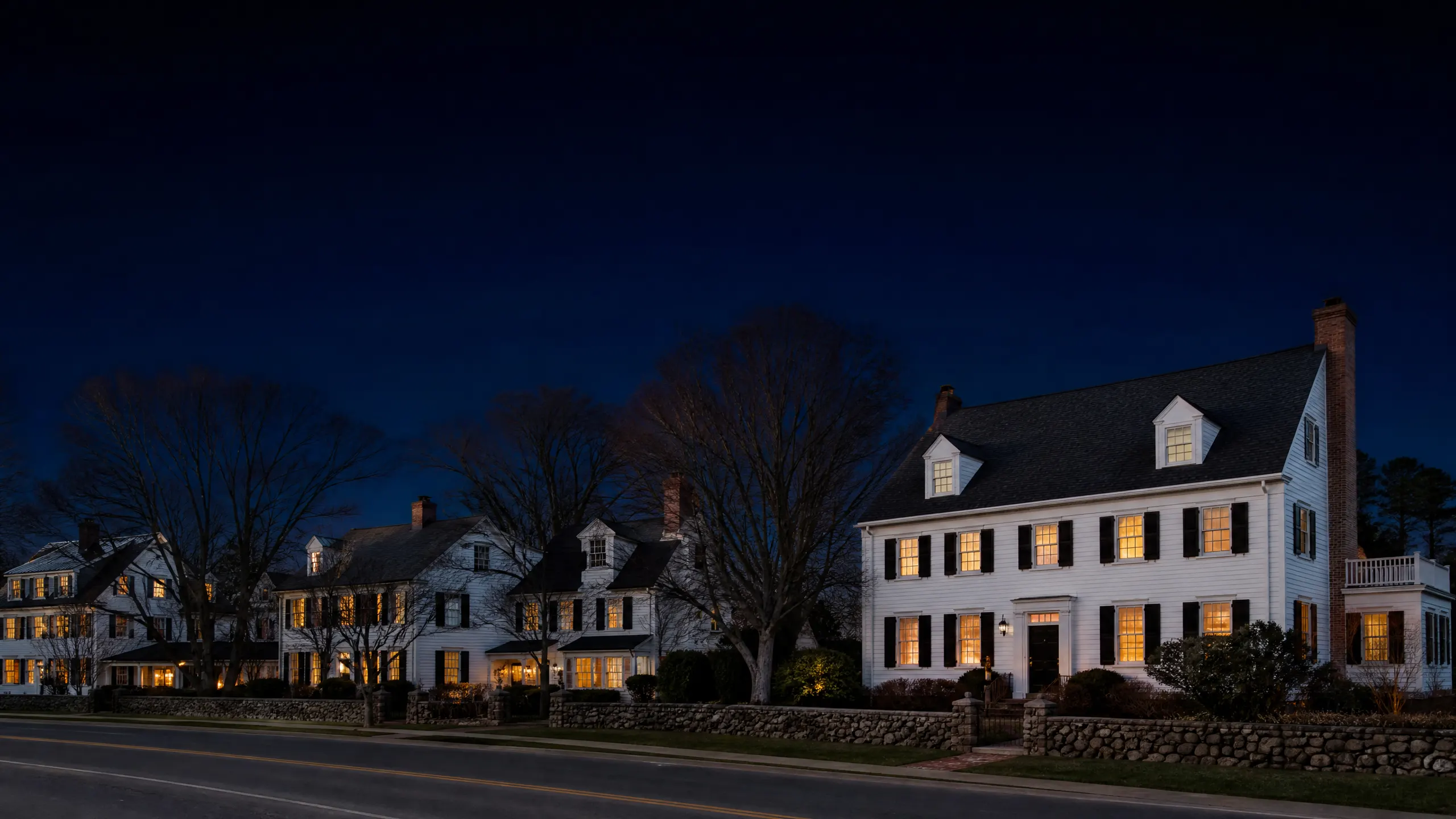




A row of illuminated white colonial houses along a road photographed at dusk.

Boiler Installation in Lancaster, PA

Tell us about the job

Takes about a minute. No obligation.

Step 1 of 3: Equipment

Electricity in Pennsylvania ran $52.07 per million Btu in 2024. A boiler draws on that rate every time it fires, all winter long. Two boilers can heat the same house and land on different bills, because the one converting more of that electricity into heat in your radiators or baseboards is the one costing less to run. That difference doesn't show up on the day it's installed. It shows up every month after, for as long as the boiler runs.

Electricity heats more homes in Lancaster County than gas, oil or propane.

A boiler built for an electric system is the safer match if that's what the house already has.

Seven months of heat a year leaves no good month to be without one

Heat runs October through April
Winter nights average 24°F
16 winter storms from 2015 to 2024
When the power goes out, this is what you lose firstLancaster County logged 268 severe weather events between 2015 and 2024, and 15% of Pennsylvania homes lost power for a day or more last year.

Lancaster County falls under zone 4A, a mixed climate that asks real work of both heating and cooling. That rating sets a floor, not a suggestion. Any gas-fired hot water boiler built on or after January 15, 2021 has to turn at least 84 percent of the gas it burns into heat over a season. A contractor sizing a new boiler for this county is already working within that limit. It narrows what can legally go into your mechanical room, and it means the baseline here is higher than it used to be.

Ask what it costs to run, not just to install

Ask each installer quoting this job what their boiler is rated to do with that electricity, not just what it costs to put in. The rating tells you what lands on your bill every month after, starting with the first cold one.

Find a contractor
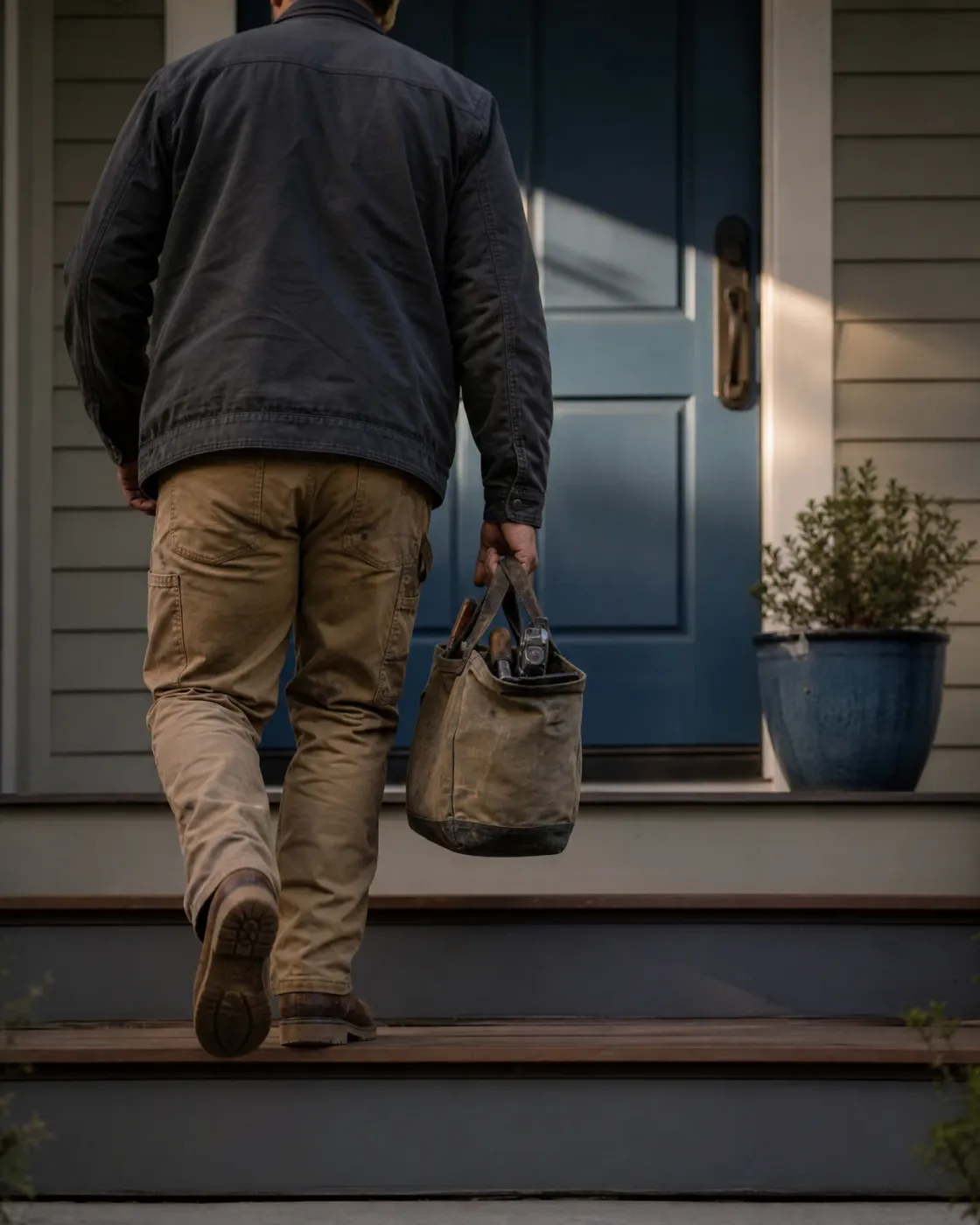
A man seen from behind in a dark jacket and tan work pants climbs wooden porch steps toward a dark blue front door, carrying a worn canvas tool bag in his right hand, with a potted shrub in a blue planter beside the entry.

A boiler sized wrong never stops costing you

An oversized boiler fires, satisfies the thermostat fast, and shuts off again before the water in your radiators or baseboards ever gets fully up to temperature. That short cycling wears the igniter and the circulator pump harder than steady runs would. An undersized boiler does the opposite. It runs long and still can't keep the far rooms warm on the coldest days. Either way the house gets less comfortable and the fuel bill goes up, not down.
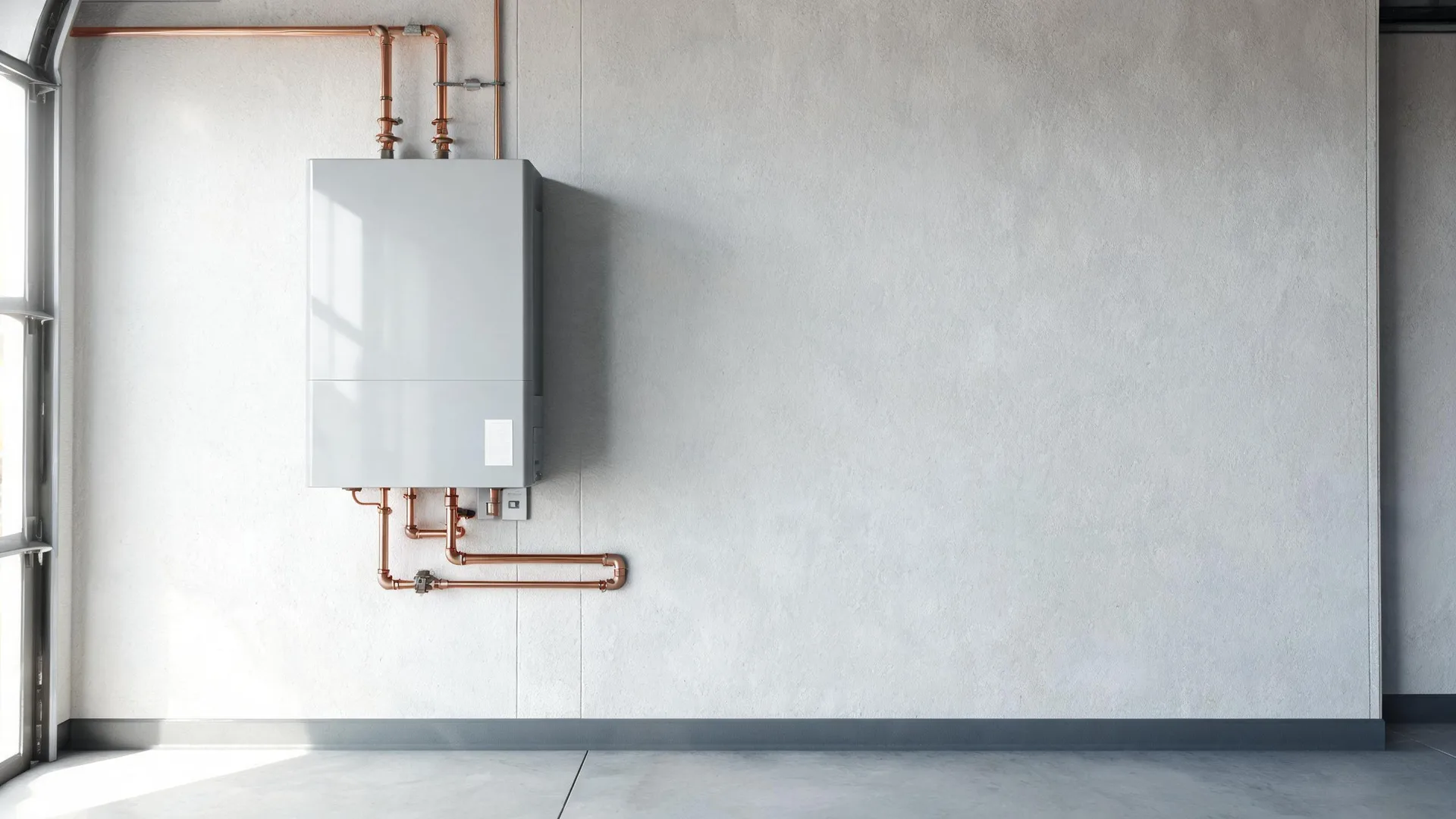
Sizing comes from the house, not the old boiler

The right size comes from a heat loss calculation, room by room, based on wall and window area, insulation, and ceiling height. It's not based on matching whatever boiler is already in the mechanical room now. Swapping in the same size as the old unit just carries forward any mistake the first installer made. A contractor who skips this step and sizes off square footage alone is guessing.

That efficiency rating on the label is called an AFUE, and it tells you what share of the fuel a boiler burns actually ends up as heat in your home, with the rest going out the flue. A boiler rated higher turns more of what it burns into usable heat, so less is wasted before it ever reaches your radiators or baseboards. That number holds across the life of the boiler, not just on the day it's installed. It won't tell you how big a boiler to buy or whether it's sized right for the house. It only tells you how well it converts fuel to heat once it's running. A low-efficiency boiler and a high-efficiency one can heat the same rooms to the same temperature; they just get there burning different amounts of fuel to do it.

A boiler has no outdoor unit, so wind and hail aren't what put it out. Power is. The igniter, the circulator pump and the controls all need electricity, so a boiler goes dark in an outage even with a full tank of fuel or a gas line running to the house. Winter storms hit Lancaster County 16 times between 2015 and 2024, which is exactly when losing heat matters most. Ask the installer what keeps the system running when the power drops, whether that's a transfer switch or a standby generator sized for it. Hot water stops too in an outage, so the same plan should cover both.