


A two-story brick house with black shutters and a covered porch stands on a mown lawn behind large deciduous trees, with a dry-stacked stone wall running across the foreground.

Boiler Installation in York, PA

Tell us about the job

Takes about a minute. No obligation.

Step 1 of 3: Equipment

Gas heats just over half the homes in York County, more than any other fuel. If your boiler runs on gas, a straight swap is usually the simplest install, since the gas line and venting are already there and sized for that kind of heat. Fuel oil heats 12.6% of homes here, and electricity accounts for 23.9%. Whatever fuel your current boiler uses, matching it on replacement avoids the extra work of running new lines, and it's worth confirming with a contractor which fuel your home is actually set up for before deciding.

Every boiler is rated for a certain output, and bigger is not better.

An oversized boiler cycles on and off more than it should, which wears out parts faster and never quite gets the heat even.

Heat starts in October here, so get the new boiler in before September ends

Heat runs October through May
Winter nights average 24°F
Climate zone 4A

York County falls in climate zone 4A, which asks real work of both sides of the system, heating through the cold months and standing up to summer humidity. That's the zone a new boiler here has to be rated for. If you're installing a gas-fired hot water boiler, anything built on or after January 15, 2021 has to hit 84 percent AFUE, so that floor is already built into what's on the market now. It narrows the field some, but it also means you're not choosing between an efficient model and a cheap one that won't meet code. A contractor can tell you which models clear that bar and still fit your home's output needs.

A standard boiler, sized right, is what this job calls for

A boiler sized to your home's actual heat loss, at a standard efficiency rating, is what most houses here need. Half the homes in York County went up in 1976 or earlier and half since, and none of that calls for a bigger unit or a higher-end model than the next house over. A contractor who sizes it off your home, not your neighbor's, gets you the right fit the first time.

Find a contractor

Sizing comes from a heat loss calculation, not the old boiler's rating

A contractor works out how much heat your home actually loses through its walls, windows and roof, room by room, and sizes the new boiler to match that figure. The old boiler's output is not a safe stand-in for this. It may have been oversized from the start, or sized for a layout that's since changed with an addition, new windows or added insulation.
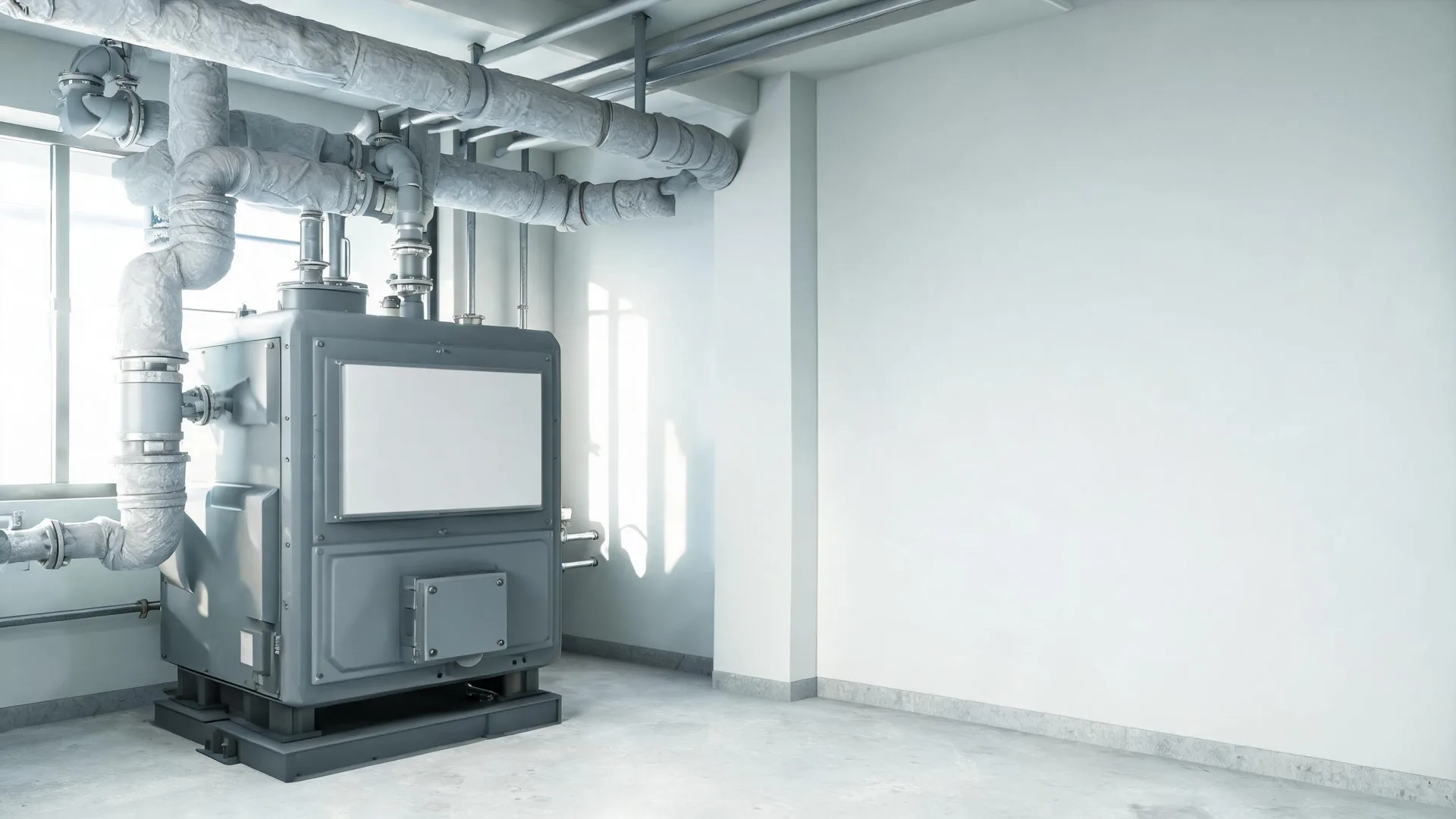
An undersized boiler struggles just as much as an oversized one

A boiler that can't keep up runs constantly on the coldest days and still leaves rooms short of temperature. That's a real failure mode, not just a comfort complaint, and it's why the heat loss number matters in both directions. The right size is the one that matches the house, not the smallest unit that might squeak by or the biggest one that seems safe.

The old boiler has to come out before the new one goes in, and that's its own piece of work. A gas or oil boiler that's been running for years is heavy, full of water, and piped into the house in ways that don't come apart easily. Whoever installs the new unit disconnects the gas or oil line, drains the system, and cuts the old boiler free from the supply and return lines before it can be carried out. If it vents through a chimney, that chimney may need to be checked or relined depending on what the new boiler uses, since a smaller, more efficient unit doesn't always vent the same way the old one did. None of this is a reason to put off the swap. It just means the old equipment doesn't simply get unplugged and wheeled away.

Once the old boiler is out, the new one gets set in place and piped into the supply and return lines, then connected to the gas or oil line and the vent. The system gets filled with water and bled of air, because a trapped air pocket will keep it from heating evenly no matter how well everything else was done. The contractor fires it up, checks the pressure, and watches the burner run through a full cycle before calling it done. Controls get set, including the thermostat and any zone valves, and those need to be checked against how the house actually heats, not just switched on and left. Expect the contractor to walk the system with you before they leave, showing where the shutoff is and what the pressure gauge should normally read. A boiler that's installed right should run quietly from day one, with no banging in the pipes or short cycling on and off.