



A row of similar two-story wood-sided houses with gabled roofs behind a white picket fence and mown lawn, with large trees overhead.

Boiler Repair in Chambersburg, PA

Tell us about the job

Takes about a minute. No obligation.

Step 1 of 3: Equipment

Boilers in Chambersburg run from October through May, with overnight lows averaging 24°F in December and January. That's a long stretch of steady work, but it's nothing the equipment isn't built for. Winter storms come through here most years, and a boiler that's running fine in October should keep running fine through a bad week in January. If yours is acting up now, the cold isn't the cause. Something in the system needs a look, and that's worth doing before you're relying on it every night.

A boiler that won't fire might just need a reset at the switch or a check of the thermostat batteries.

Check the simple things first, but a pressure gauge reading low or a pilot that won't stay lit means it's time to call someone.

Pennsylvania power costs $52.07 per million Btu, so a boiler running October through May adds up fast when it's not running right

Heat runs October through May
Winter nights average 24°F
16 winter storms from 2015 to 2024
Boilers start acting up in OctoberChambersburg boilers start running in October, and that's when a weak part finally gets tested.

A boiler that short-cycles, runs long, or struggles to hold temperature is burning fuel it doesn't need to burn, and at $52.07 per million Btu, that waste shows up on the bill fast. A thermostat that won't stop calling, a zone valve stuck open, or scale built up in the heat exchanger all make the unit work harder for the same heat. None of that fixes itself. Getting it looked at now costs one visit instead of a season of paying extra for heat you're not getting.

Get the usual fix

Nothing about this area is especially hard on it. It's most likely the usual problem with the usual fix.

Find a contractor

Mineral scale builds up quietly

Hard water leaves scale on the heat exchanger over years, and the boiler has to burn more fuel to push heat through it. By the time you notice uneven heat or a unit that runs longer than it used to, the scale has already been building for a while.
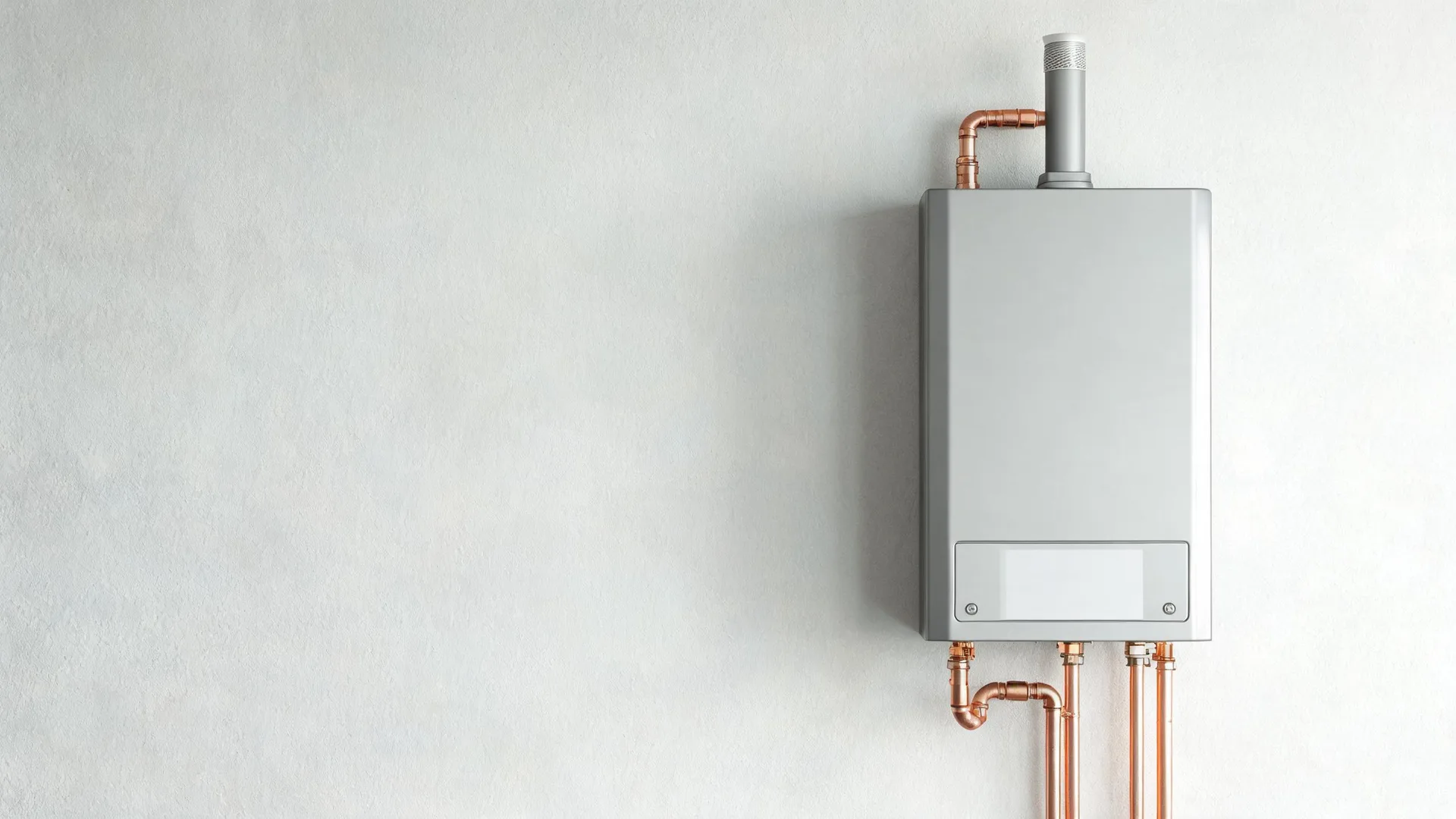
Igniters and sensors wear out, not break

A pilot that won't stay lit or an igniter that fails to spark is usually a part reaching the end of its normal life, not a sign something was done wrong. These parts are built to be swapped out, and replacing one is a routine repair, not a sign of a bigger problem underneath.

A boiler that's struggling doesn't fix itself by staying on. Low water pressure makes the pump work against air instead of water, and running it that way wears the pump down faster. A cracked heat exchanger gets worse under heat and pressure, and what starts as a small leak can turn into a bigger one. Soot or scale on a heat exchanger traps heat that should be going into your water, so the metal around it runs hotter than it was built to and that shortens its life. A pilot or igniter that's already struggling to light will keep failing more often until it's replaced, not less. The longer a boiler runs in a bad state, the more parts around the original problem start to wear out too.

A diagnostic visit starts with questions. When the problem shows up, what the boiler sounds or smells like, whether the pilot stays lit. Then the tech checks pressure at the gauge, looks at the flame through the sight glass, and listens to the pump and burner while it runs a full cycle. Scale and soot leave marks that tell their own story, so the heat exchanger and burner assembly usually get opened up and looked at directly rather than guessed at. Electrical parts like the igniter and flame sensor get tested with a meter, since a part can look fine and still be failing. By the end, the tech should be able to point to the one thing causing the trouble and tell you what it takes to fix it.