White colonial houses with lit windows photographed at dusk along a tree-lined residential street.

Mini Split Installation in Chambersburg, PA

Tell us about the job

Takes about a minute. No obligation.

Step 1 of 3: Equipment

Electricity here runs 17.77 cents per kilowatthour

Pennsylvania power costs more than in a lot of states, and a mini split that runs on electricity will reflect that on every bill. How efficiently it runs matters more here than somewhere with cheaper power.

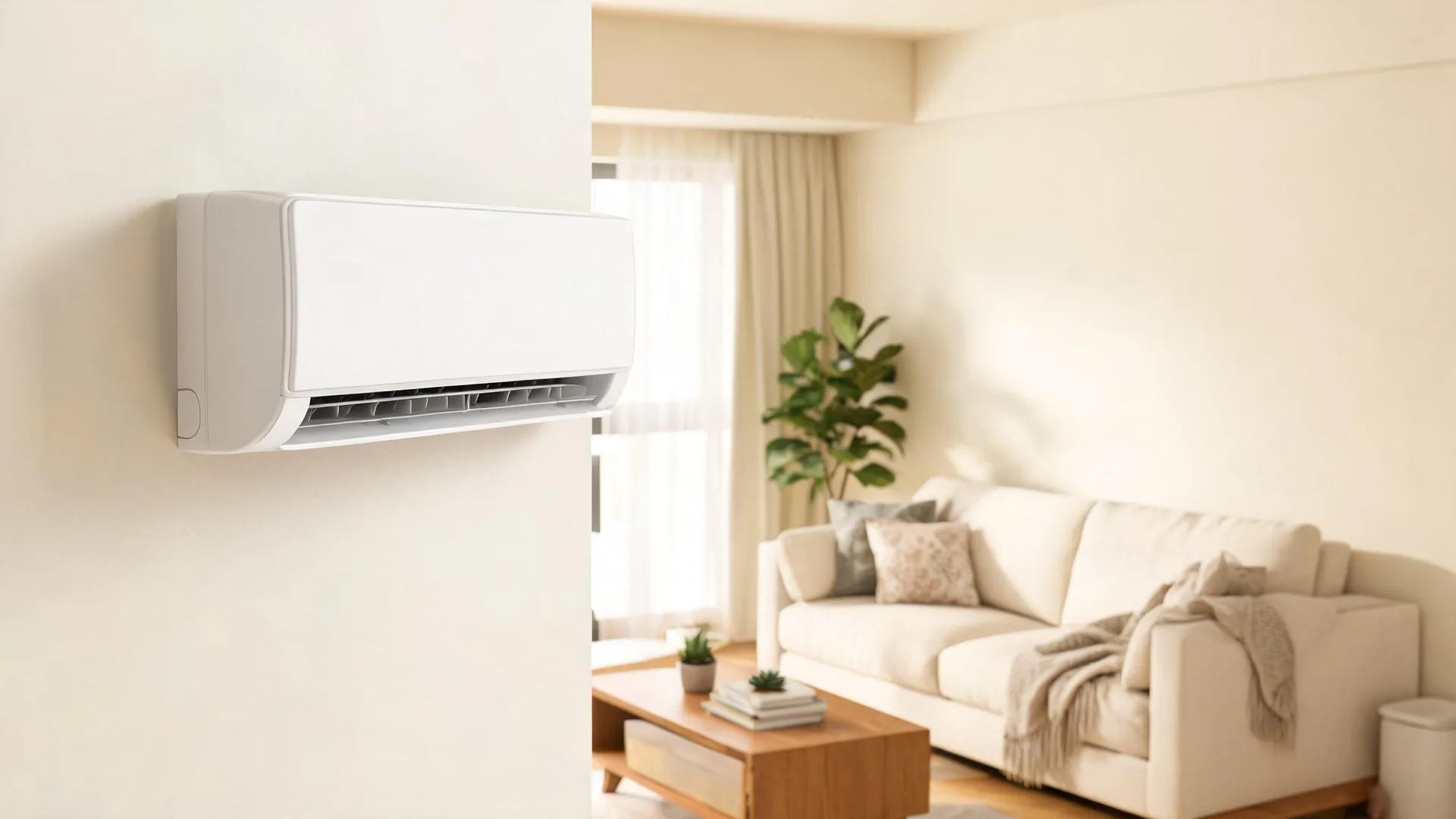
Efficiency is what you're buying

When you're comparing mini split systems for Chambersburg, the efficiency rating on each one tells you how much electricity it turns into heating or cooling. A more efficient system costs more up front but asks less from you at that 17.77 cent rate, month after month.

8 months
October through May, your system heats
3 months
June through August, it cools
24°F
the average winter night it heats against
84°F
the average summer afternoon it cools against
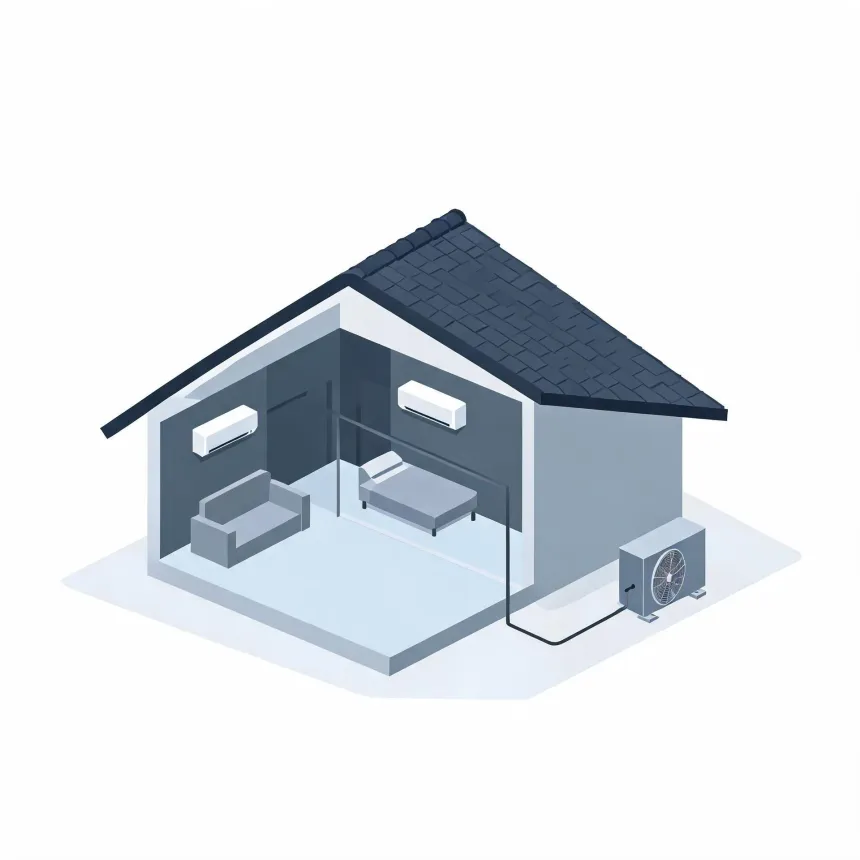
Isometric illustration of a cutaway house showing two wall-mounted indoor air conditioning units connected by a line to an outdoor condenser unit beside the building, with a sofa and bed inside.
Your system heats October through May and cools June through August.

NOAA nClimDiv, 1991–2020 normals

Electricity heats 51.9% of homes in Franklin County, more than gas, oil or propane.

A mini split runs on electricity, so it fits the way most homes here are already set up to heat.

Cooling starts in June. May is when you want this done.

Cooling runs June through August
Summer afternoons average 84°F
78 damaging wind events from 2015 to 2024

Franklin County falls under climate zone 4A, which asks real work of a system in both directions, humid summers and cold stretches in winter. A mini split counts as a split system heat pump under the federal rules, so any unit built from 2023 onward has to meet minimums for both cooling and heating efficiency. That's a floor, not a target, so every mini split sold here already clears it. Some go well past it, and those higher-efficiency units are what can qualify for a federal tax credit. Worth checking which systems you're comparing actually qualify, since two units that both meet the minimum won't necessarily land in the same credit tier.

Three months of real heat. Pick for reliability, not for the top of the lineup.

Cooling runs June through August here, with afternoon highs averaging 84. That's a real but short season, not a system running flat out most of the year. A mini split sized and installed right will handle it without strain, so the money is better spent on a unit you can count on than on chasing the highest efficiency number on the shelf.

Find a contractor
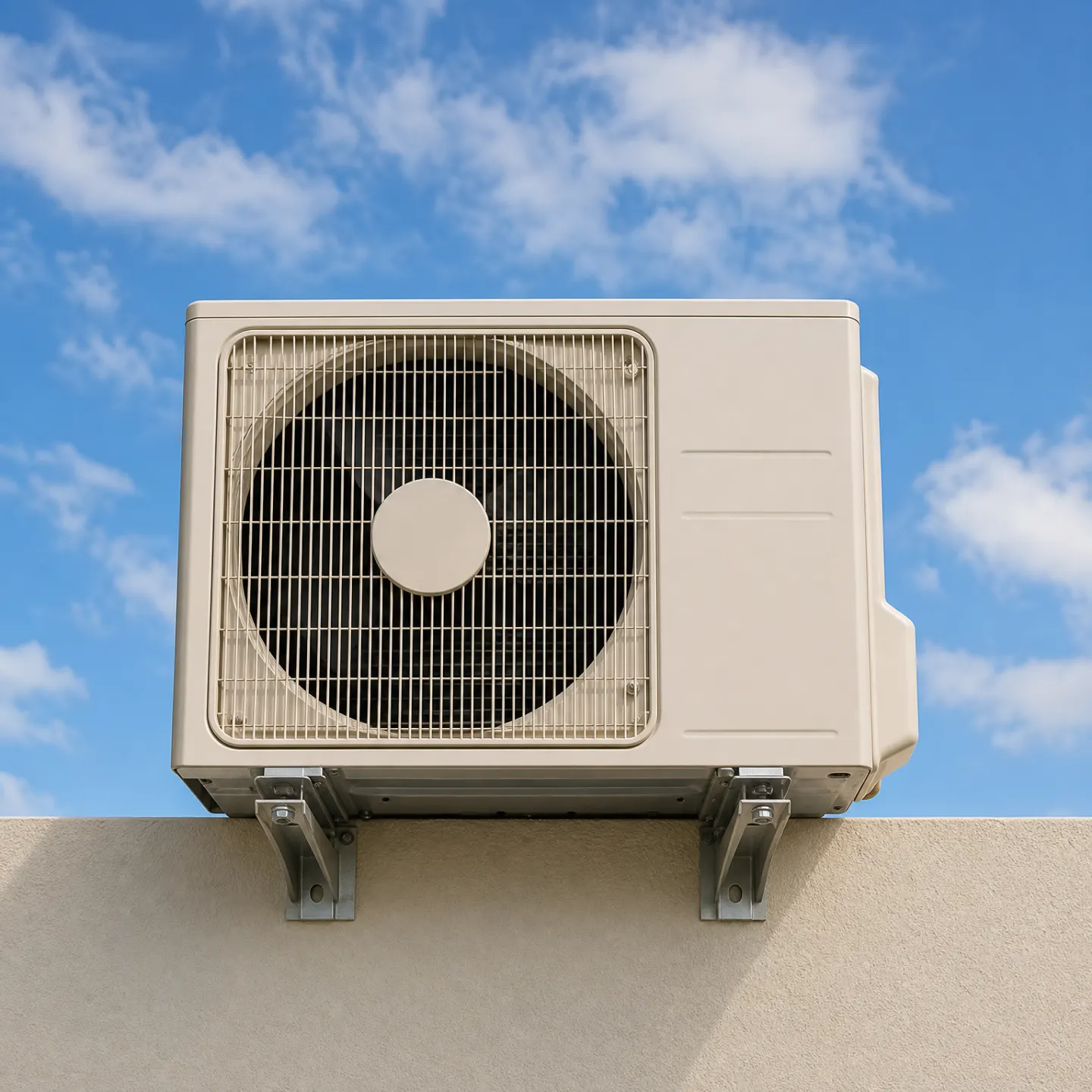
A beige split-system air conditioner outdoor condenser unit mounted on metal wall brackets atop a stucco wall.

Sized for the room, not the season

A mini split that's sized right cycles on, brings the room to temperature, and shuts back off. One that's too big does the opposite of what people expect. It blasts the space with cold or heat fast, shuts off before it's pulled the moisture out of the air, and starts again soon after. That short cycling puts more wear on the compressor than long steady runs do, and the room ends up cold and damp rather than just comfortable. One that's too small can't close the gap on the hottest afternoons or the coldest nights, so it runs long and still falls short. Getting the size right isn't a guess and it isn't a rule of thumb either. It comes from a load calculation, room by room if you're doing more than one zone, that looks at the square footage, the windows, and how the space is insulated. That number is what tells an installer which unit actually belongs in the room.

The number of zones sets the cost

A single indoor unit paired with one outdoor unit is the simplest job there is. Add a second or third zone and you're paying for another line set, another indoor head, and an outdoor unit built to run multiple zones at once. Each zone also needs its own path for the refrigerant lines and its own spot on the wall or ceiling, so the work multiplies with the count, not just the equipment.

What's between the units matters

The outdoor unit and each indoor head connect through a line set that carries refrigerant, and that line has to run through a wall, along an exterior surface, or sometimes up through a chase between floors. A short, straight run is quick work. A run that has to clear framing, turn corners, or cross a finished ceiling takes longer and asks more of whoever's installing it. Where the outdoor unit can sit, and how far it is from each indoor head, shapes the job before anyone picks a system.

When you're comparing systems, ask what the warranty actually covers and who has to register it. Most manufacturers split the warranty between parts and compressor, and some void it entirely if the installer doesn't register the unit within a set window after installation. Ask what happens if the compressor fails down the road, once the unit's a few years in. Parts might still be covered while labor isn't, and that gap is worth knowing before you buy rather than after something breaks. Ask about the refrigerant line length each system supports, since some compressors lose efficiency or stop qualifying for warranty coverage past a certain run length. Also ask what sound rating the outdoor unit carries. A compressor that runs quieter matters if it's going near a bedroom window or a neighbor's fence line.

Installation starts outside, not at the wall unit. The crew mounts the outdoor condenser on a pad or bracket, runs the line set to each indoor head, and that line carries refrigerant, a drain line, and electrical wiring together through a single hole in the wall. Once the lines are run, the system gets evacuated with a vacuum pump to pull out air and moisture before any refrigerant goes in. That step matters more than it looks. Moisture or air left in the line can keep a system from reaching full efficiency or cause damage down the road. After the vacuum holds and the refrigerant is charged to spec, the indoor heads get mounted, powered up, and tested in both heating and cooling before anyone calls the job done.