




A two-story red brick house with black shutters and a dark roof stands behind a wide mown lawn, framed by large leafy trees, with a dry-stacked stone wall across the foreground.

Boiler Repair in Hermitage, PA

Tell us about the job

Takes about a minute. No obligation.

Step 1 of 3: Equipment

Half the homes in Mercer County were built in 1963 or earlier. If yours is one of them, the boiler may not be the original, but the pipes and radiators or baseboard it feeds often are. A repair on an old boiler is worth doing if the unit itself still has good years left. If it's been patched more than once already, that's worth knowing before you spend more on it.

A boiler usually fails from mineral buildup, a worn circulator pump, or a corroded heat exchanger, not from one single part giving out overnight.

Most of these problems get worse slowly, which means the banging pipes or the cold radiator you're noticing now already had some runway before it showed up.

Eight months of heat a year wears a boiler down faster

Heat runs October through May
Winter nights average 20°F
Climate zone 5A
October Is When a Weak Boiler Shows ItselfHeat starts in October here, and that first cold snap finds whatever was already wearing thin.

A boiler near the end of its life usually tells you in more than one way at once. Maybe it's short cycling, maybe the pilot or igniter has needed attention twice this year, maybe a joint is weeping and the pressure keeps dropping. Any one of those alone is a repair. All of them together mean the unit is tired, not just unlucky. The heat exchanger is the part worth asking about, since that's the one that can't be swapped out on its own. If a tech tells you it's cracked or badly corroded, that's not a repair, because the exchanger is most of what the boiler is. A tech who's run the numbers on your specific unit and still recommends fixing it has usually seen something that makes the case, like a repair that's small next to what the boiler has left to give.

Eight Months of Heat a Year Is Hard on a Boiler. Get It Checked Now.

Eight months of heat a year doesn't leave a boiler much time to rest and recover. Get it looked at while the pressure drop or the short cycling is still a repair, not a bigger decision.

Find a contractor

A cold radiator doesn't mean a dead boiler

One cold radiator or a cool spot in a baseboard run is often just an air pocket or a stuck valve, not a sign the boiler itself is failing. Bleeding a radiator is a simple fix. The boiler only becomes the suspect when the problem is at the unit, not a few feet of pipe away from it.
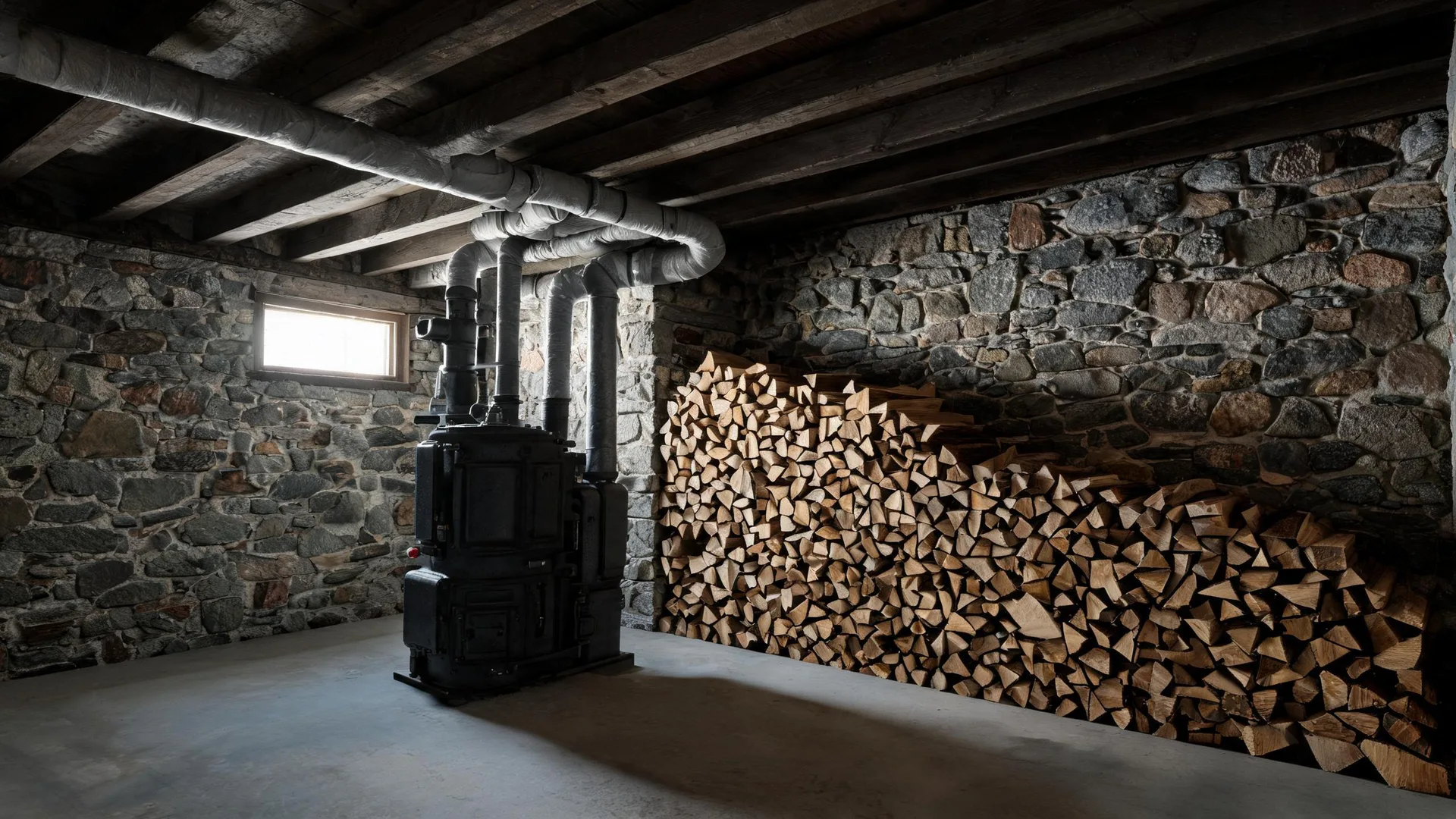
A noisy startup is worth a call, not a shrug

A boiler that bangs, kettles, or takes longer to fire than it used to is telling you something changed inside it. Scale on the heat exchanger or a pump losing strength doesn't announce itself any other way until it's a bigger job. Catching it while it's still a noise, not a breakdown, is the cheaper visit.

A boiler that's short cycling or losing pressure can usually keep running while it's scheduled for a look, but a few problems turn worse fast if they're ignored. A crack in the heat exchanger lets water meet the flame, and that gets worse with every cycle, not better. A circulator pump running dry will burn out its bearings in short order. Soot building up on a burner means incomplete combustion, and that's a carbon monoxide risk, not just an efficiency one. A banging or kettling sound means mineral scale is already coating the heat exchanger, and running it hot against that scale stresses the metal further. None of these fix themselves by waiting.

A diagnostic visit starts with the tech asking what you've noticed, since banging pipes, a cold radiator, or a boiler that won't hold pressure point in different directions. From there they'll check the pressure gauge and the temperature and pressure relief valve, look at the sight glass if there is one, and open the burner compartment to look at the flame itself. A yellow or uneven flame means something's off with combustion. They'll check the circulator pump for noise or a weak flow, since a pump that's failing often still runs, just not well enough to move heat where it needs to go. If there's a history of air in the system or frequent pressure loss, they'll look for the slow leak causing it, often at a joint, a valve, or the expansion tank. Most of this is done with the boiler running, because a problem that shows up cold doesn't always show up the same way under load.