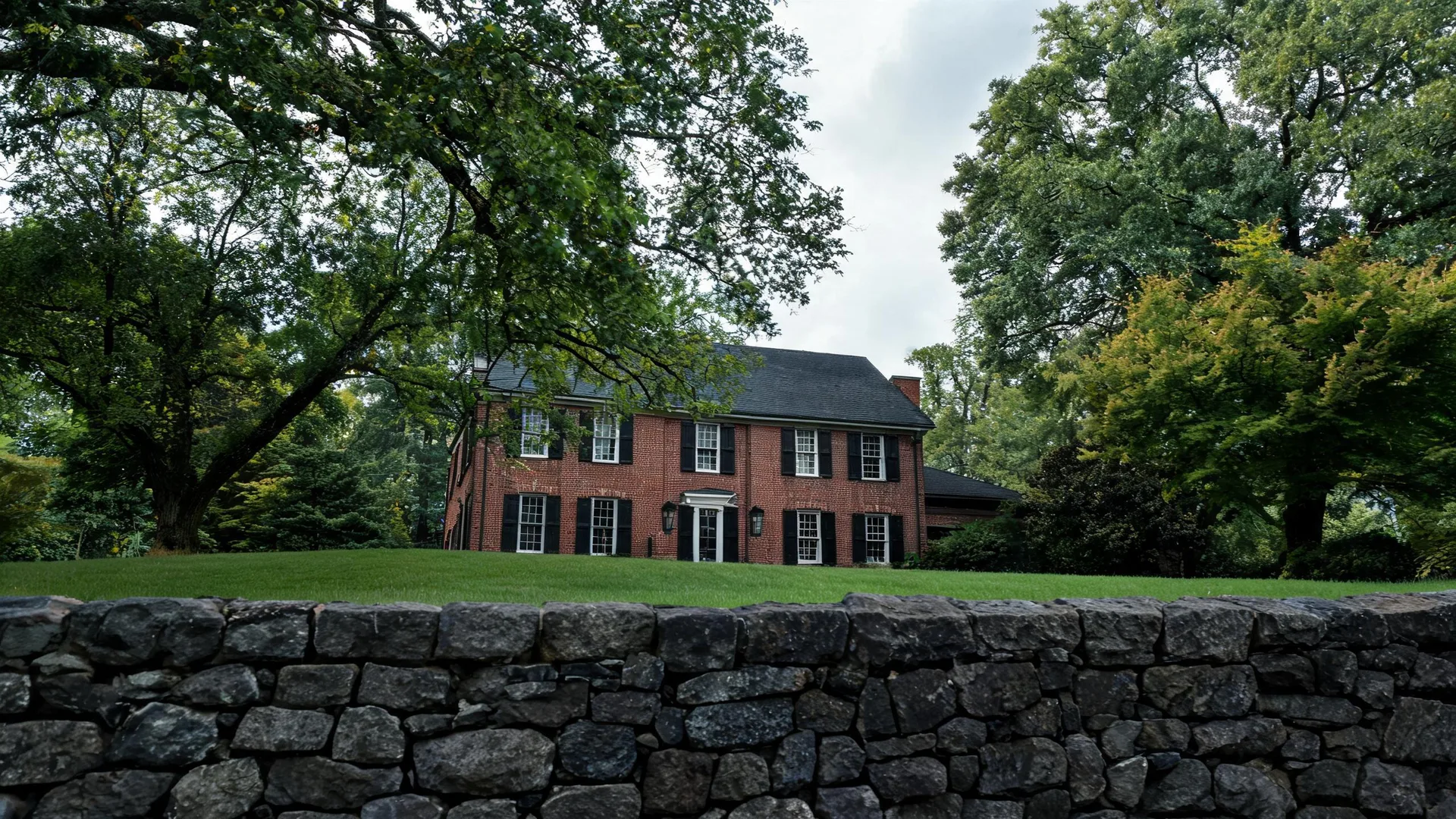



A two-story red brick house with black shutters and a dark roof sits behind a mown lawn, large deciduous trees, and a dry-stacked stone wall in the foreground.

Boiler Installation in Hermitage, PA

Tell us about the job

Takes about a minute. No obligation.

Step 1 of 3: Equipment

Eight months of the year, a boiler here is running. October through May, it's the thing standing between your house and the cold. That's a long stretch of work for one machine, longer than what equipment in most of the country has to put in. A new boiler sized right for your house will hold up to that better than one that's oversized or undersized for the job. This isn't a system you want to pick based on whichever unit costs least upfront.

Half the homes in Mercer County were built in 1963 or earlier.

A boiler going into a house that old has to be sized for that house, not swapped in off a shelf.

Eight months of heat is a long time to be without one

Heat runs October through May
Climate zone 5A
Winter nights average 20°F

Gas heats close to two out of three homes in Mercer County, boilers included. If your house is already piped for gas, staying with a gas boiler is the straightforward call. The contractor doing the install won't be guessing at a setup nobody around here uses. Parts, service, and know-how for gas boilers are common in this area because so many houses run on the same fuel. That matters later, when the boiler needs a repair or a yearly checkup, not just on install day.

Get a boiler sized for your house, not off a shelf

Get the sizing and the installer right the first time. With eight months of heat to deliver every year, this isn't a system to leave to guesswork or pick by whichever quote is lowest.

Find a contractor

What the house needs from it

A boiler has to be sized to the square footage, the number of rooms it's heating, and how much the place loses heat through its walls and windows. Get that sizing wrong and the boiler either short cycles because it's too big for the job, or runs constantly and never quite catches up because it's too small. The work to figure that out, measuring the space and running the load calculation, is part of what you're paying for. It's not a step worth skipping to save time.
What's involved beyond the unit itself

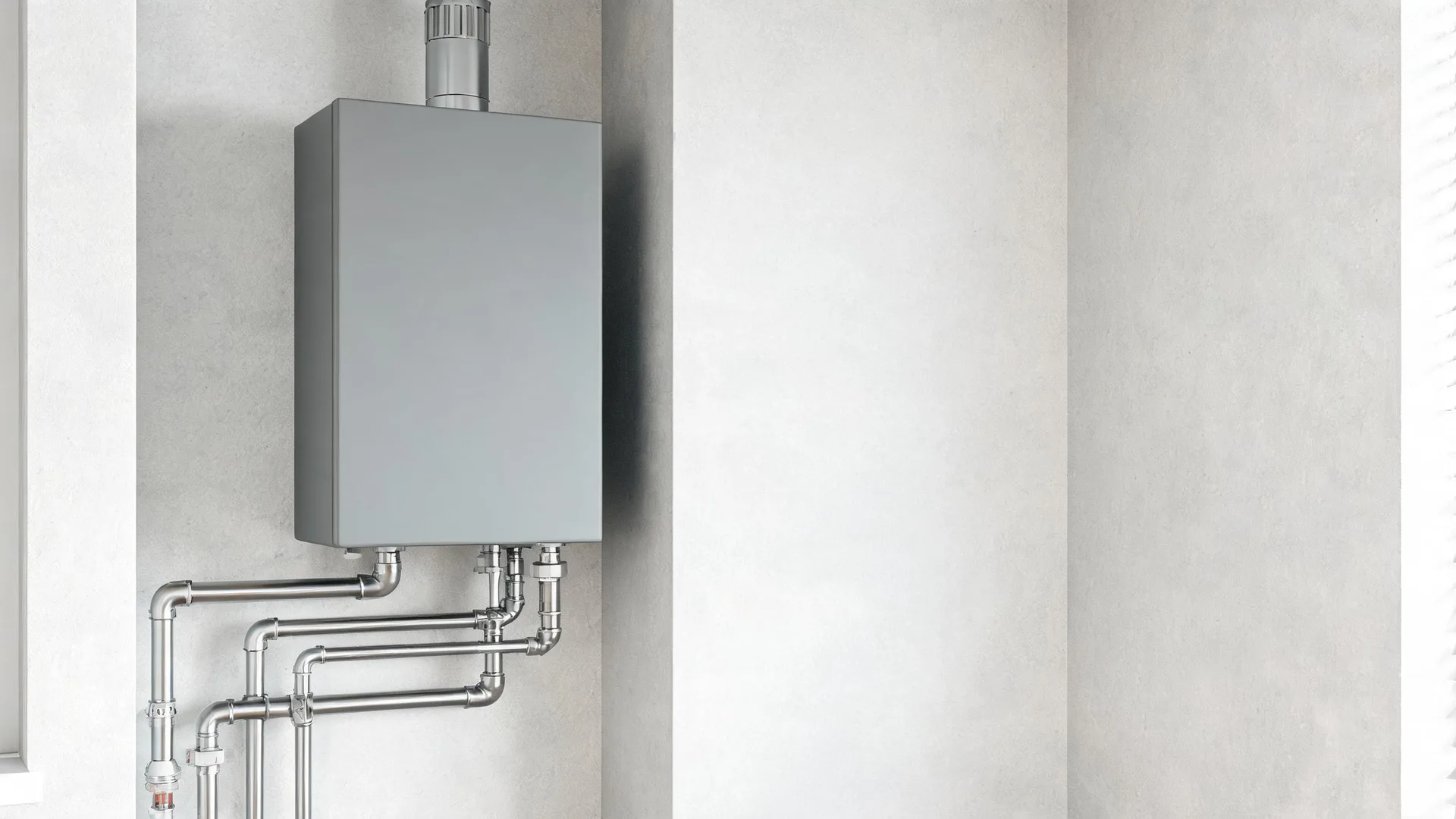
The boiler is one piece of the job. Venting has to be run correctly for the fuel it burns. Piping has to connect to the existing distribution, whether that's radiators or baseboard or radiant floor loops. Controls and safety devices need to be set up and tested, not just installed. If the old system used different piping or venting than the new one needs, that work adds to the job too. None of that shows up when you're just looking at the price tag on the boiler itself.

The efficiency rating on a boiler tells you how much of the fuel it burns actually ends up as heat in your house, versus how much goes out the flue. A higher rated boiler pulls more heat out of the same flame before letting the exhaust go. The way it does that is by cooling the exhaust gas further, often to the point where it condenses, which is why these are called condensing boilers and why they need a drain for that condensate. An older, lower rated boiler vents that exhaust while it's still hot, and that heat is fuel you paid for and didn't get to keep. The rating on the label is tested under set conditions, so your actual result depends on how the system is piped and controlled, not just the number on the unit. A boiler installed and set up right will get closer to its rated efficiency over the life of the system than one that's just bolted in and left alone.

Mercer County falls in climate zone 5A, a cool zone where heating carries most of the load. Any gas boiler installed here has to meet the federal minimum for that fuel type, turning at least 84 percent of the gas it burns into heat over the winter. That floor rules out the old standing-pilot units that vented a lot of that heat straight out the flue. It also means the boilers on the market now, the ones a contractor can actually install, already clear that bar before you even start comparing models. A federal tax credit is available on qualifying installations, worth looking into before you settle on a unit.