A row of illuminated white colonial houses with black shutters and a stone wall along a road at dusk.

Boiler Repair in Honesdale, PA

Tell us about the job

Takes about a minute. No obligation.

Step 1 of 3: Equipment

Nine months of runtime

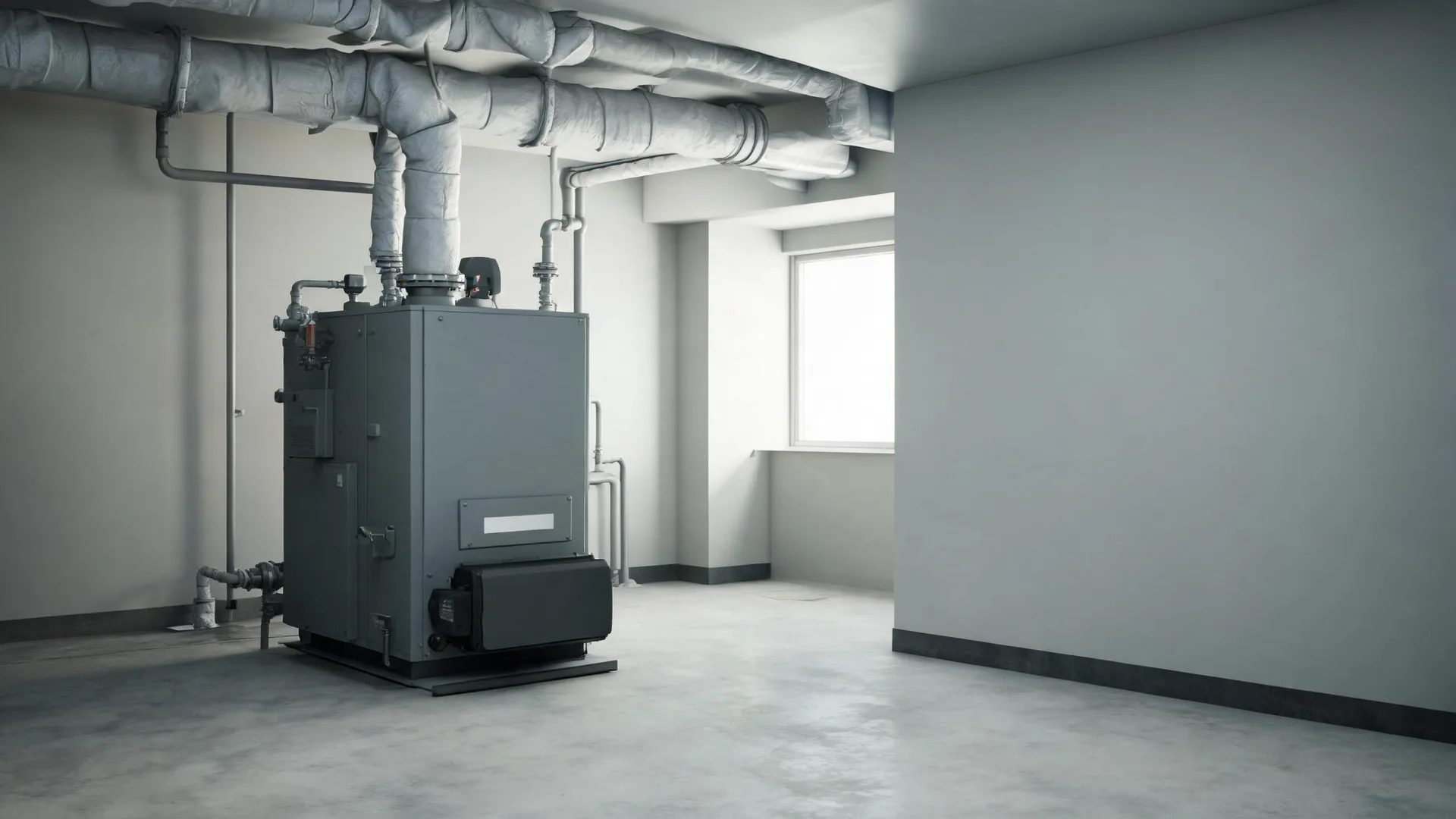
A boiler in Honesdale starts up in September and doesn't shut down for good until May. Overnight lows average 17°F through December, January and February, so the burner is cycling on hard, cold nights for most of the winter. That's a long season for the ignition system, the pump and the valves to carry the house.


Breakdowns don't wait for spring

Wayne County logged 41 winter storms between 2015 and 2024, heavy snow and ice among them. A boiler already working near its limit has less room to handle a hard freeze or a power blip during one of those storms. A noise or a cold radiator now is worth checking before the next one hits.

Half the homes in Wayne County were built in 1980 or later.

A boiler that age is usually still worth repairing, not replacing.

Oil runs $25.15 per million Btu here, and a boiler cycling from September through May burns through it all winter

Heat runs September through May
Winter nights average 17°F
41 winter storms from 2015 to 2024

Boilers in Honesdale start the season cold in September, after sitting idle since May. That first stretch of real cold is when a weak part usually gives out. A pump that was starting to fail in the spring doesn't get better over the summer, it just sits. The same goes for an igniter or valve already on its way out. August is the month to get someone to look at it, before the first September cold snap finds the weak spot for you.

Get the boiler checked before it has to work through the next storm

A boiler that runs nine months a year through hard winters doesn't give you much warning before a part fails outright. A noise or a cold radiator now is worth having a contractor look at before the next storm tests it.

Find a contractor
A man in a cap, gray T-shirt and tan work pants climbs porch steps toward a blue front door, carrying a canvas tool bag filled with tools, beside a blue planter with a shrub.

A noise that wasn't there before

A kettling or rumbling sound from the boiler usually means scale or sediment building up on the heat exchanger, which makes it work harder to heat the water. A sharp bang or knock when it fires can mean trapped air in the lines. Either way, the noise is the boiler telling you something changed before it tells you by failing outright.

Radiators that stay cold or uneven

If one radiator stays cold while the rest heat up, trapped air or a stuck valve is usually blocking it. If the whole system is weak, the circulator pump may be failing to move water the way it should. A radiator that needs bleeding more and more often is a sign the pump or the expansion tank is losing ground, not a one time fix.

Before calling anyone, look at the pressure gauge on the boiler itself. The face usually marks a normal range, and if the needle has dropped below it, that alone can cause cold radiators or a boiler that won't fire. Check the room thermostat too, fresh batteries if it takes them, and make sure it's actually calling for heat. Look at the boiler's display or pilot window for a fault light, and don't ignore a reset button that's already been pushed once. If you smell gas anywhere near the unit, don't touch anything, just get out and call the gas company first. None of this fixes a failing pump or a cracked heat exchanger, but it rules out the simple stuff before someone drives out to look at the hard stuff.

A diagnostic visit starts with questions. When did the noise start. Is it every cycle or just on cold mornings. Has the pressure gauge moved. The contractor checks the easy things first, same as you did, because a loose wire or a bad thermostat battery can look exactly like a bigger problem until someone rules it out. After that comes the gauges and the panel. Pressure, temperature, any fault code the board is holding onto. Opening the jacket comes next, looking at the heat exchanger for scale, listening to the pump and checking it for leaks at the seal, watching the valves for signs they're sticking or weeping. A combustion test on a gas or oil burner checks that it's firing clean, because a burner running rich wastes fuel and can point to a problem with the flue or the air intake. Most of what fails in a boiler fails slowly, so the visit is as much about catching what's partway gone as fixing what already quit.