Oil heats more homes here than anything else
Fuel oil or kerosene heats 31.6% of homes in Wayne County, more than gas, electric, or propane. A good number of houses around Honesdale still run a boiler or furnace off an oil tank.
Takes about a minute. No obligation.
Fuel oil or kerosene heats 31.6% of homes in Wayne County, more than gas, electric, or propane. A good number of houses around Honesdale still run a boiler or furnace off an oil tank.
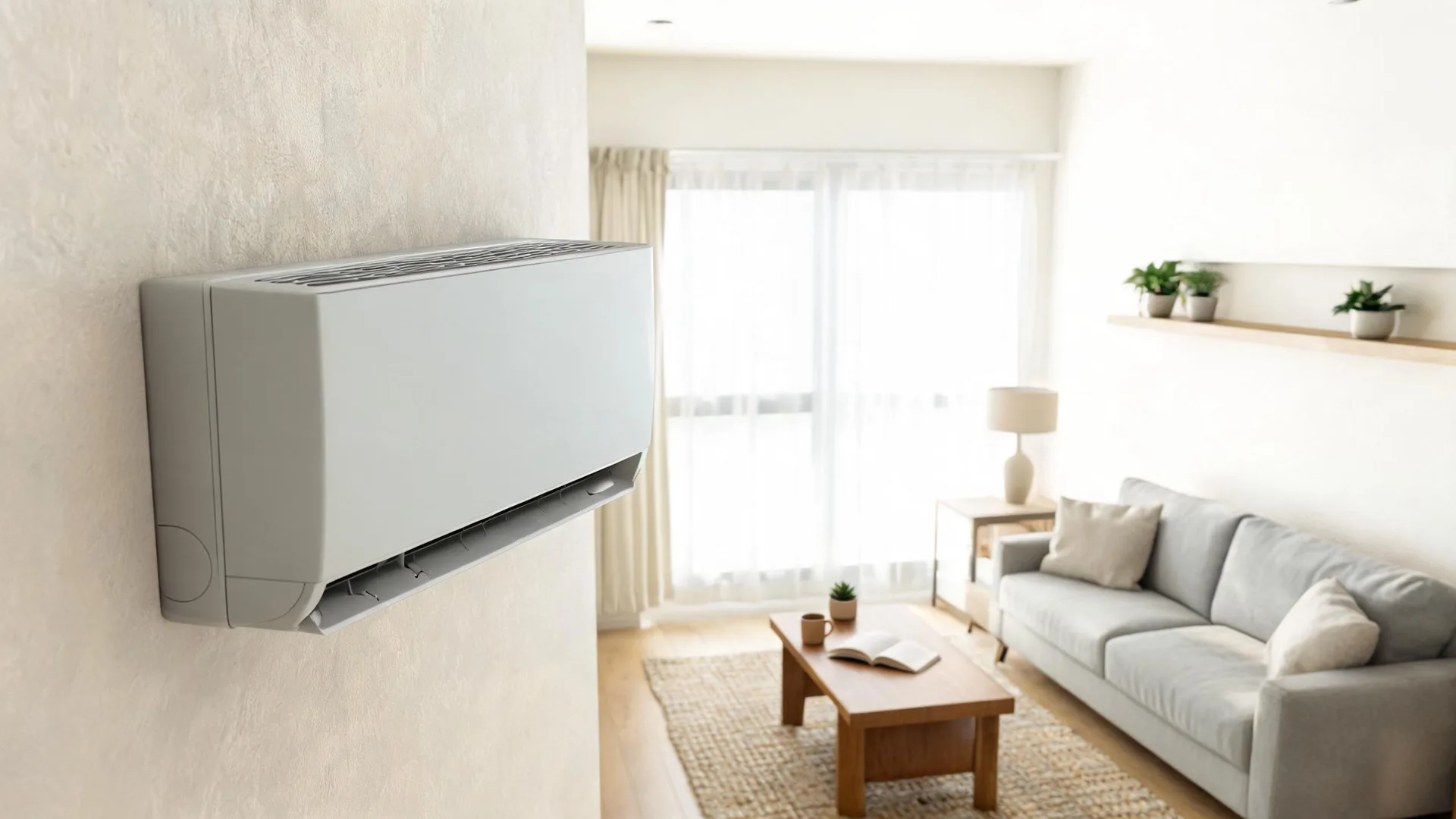
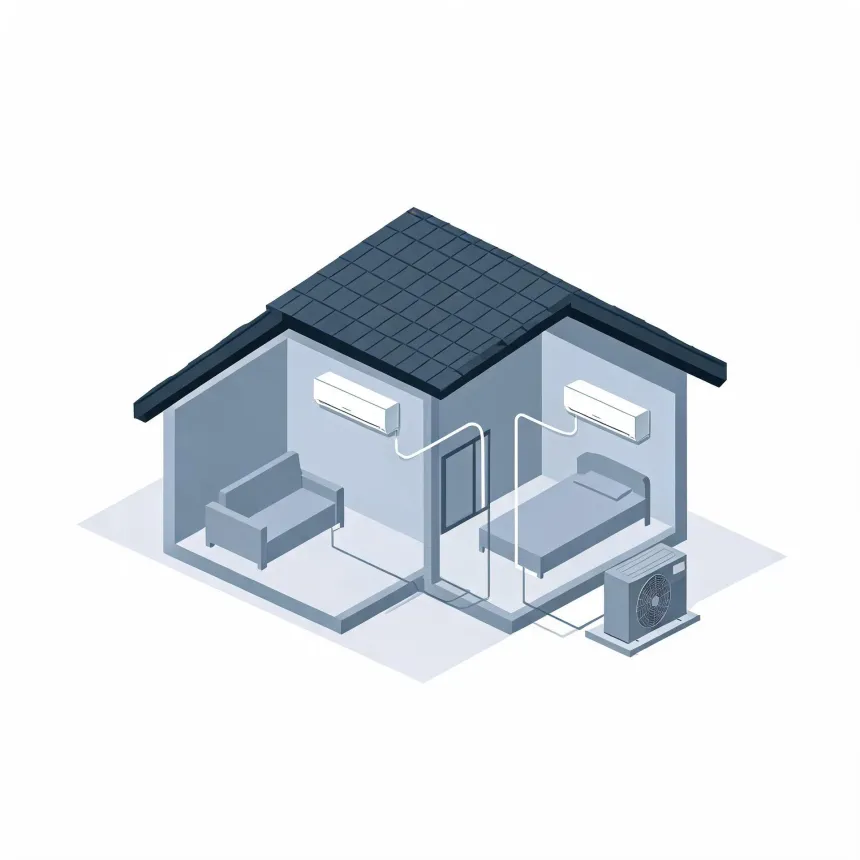
You don't have to rip out an oil furnace to add a mini split. Most homeowners here use one to handle a room the main system struggles with, or to add cooling where there's no ductwork for it.
NOAA nClimDiv, 1991–2020 normals
Cooling runs about two months a year in Wayne County, July and August.
A mini split here doesn't need to be the top efficiency model to handle the job.




Wayne County sits in climate zone 5A, a cool zone where heating carries most of the load. Any mini split installed here still has to meet the federal minimum for a split-system heat pump, whether the home needs it mostly for winter heat or summer cooling. That means 14.3 SEER2 and 7.5 HSPF2 for units built from 2023 on. The standard doesn't carve out a lower bar for ductless systems. If a system qualifies, it may also qualify for the federal tax credit, worth checking against before you buy.
Two months of cooling a year is light duty for any system. Pick a mini split that's built well and sized right for the room, and it will handle a Honesdale summer without needing the highest efficiency number on the shelf.
Find a contractor
How many zones you install is the biggest driver. A single indoor unit tied to one outdoor unit costs less than a multi-zone setup running several heads off one compressor. Line length and layout matter too. The longer the refrigerant lines run, and the more bends or floors they have to cross, the more time and material it takes to run them right. Where the outdoor unit sits and how far it is from the electrical panel affects the wiring run. A home with an oil furnace already in place doesn't need new ductwork for a mini split, but it does need a dedicated circuit, and running that circuit costs more if the panel is far from where the indoor head goes. The brand and capacity of the unit itself is only one piece of the total. The labor to mount the indoor head, run the line set, seal the wall penetration, and commission the system is where a lot of the job's time goes.
A contractor works out capacity using the room's square footage, how many windows it has, which way it faces, and what's on the other side of its walls. A bigger unit isn't a safer bet. Oversized, it cools the room fast and shuts off before it pulls the moisture out of the air, so the room feels cold and damp instead of just comfortable.
A unit too small for the room runs constantly and never quite catches up on the hottest days. One too large cycles on and off in short bursts, which wears the compressor faster and leaves the air clammy. The right size runs longer, steadier stretches and holds the room at an even temperature.
Comparing mini splits means comparing more than the SEER2 number on the spec sheet. Ask what sound rating the indoor and outdoor units carry, since a loud outdoor unit placed near a bedroom window is something you live with every day it runs. Ask what the warranty covers and whether it stays valid only if a licensed contractor does the install, because most manufacturers void coverage on self-installed or improperly charged systems. Ask how many indoor heads the outdoor compressor can run and whether it's matched as a single-zone or multi-zone system, since mixing brands between the indoor and outdoor unit usually isn't supported. Ask about the refrigerant it uses, since older systems and newer ones don't always use the same type, and that affects what's available if the system ever needs a recharge. A unit that looks identical to another on the showroom floor can differ in all of these ways.
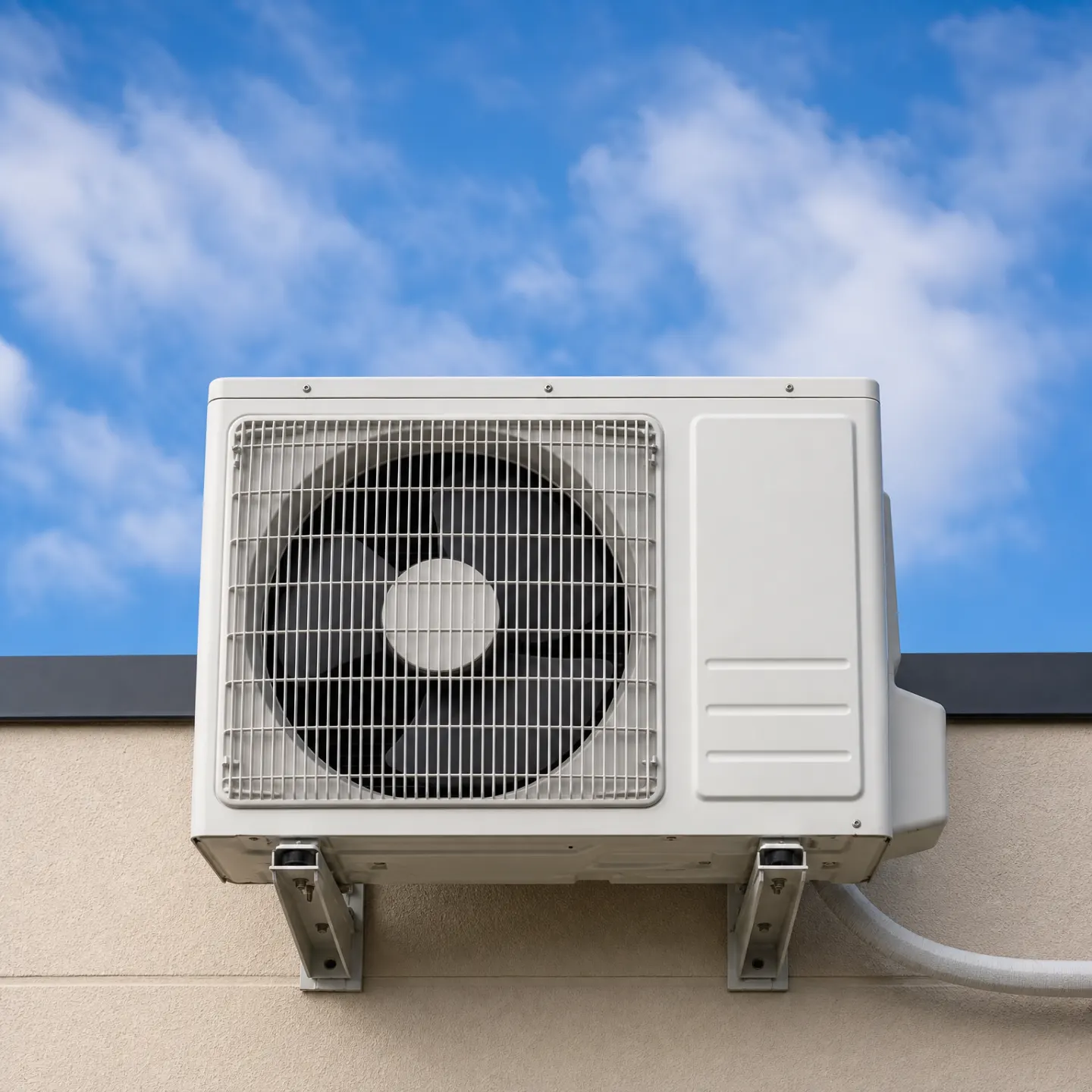
Installation day starts outside, not in. The outdoor unit gets mounted on a pad or bracket, leveled, and set where it has clearance on all sides to pull air through the coil. Inside, the crew mounts the wall plate, drills through for the line set, and runs the refrigerant lines, the condensate drain, and the electrical whip from the indoor head to the outdoor unit. Once the lines are connected, the system gets evacuated with a vacuum pump to pull out moisture and air before any refrigerant moves through it. Skipping that step is one of the most common reasons a new mini split underperforms or fails early. After the vacuum holds, the system gets charged, powered up, and checked for the correct temperature split between the air going in and the air coming out. A contractor should walk you through the remote or thermostat before leaving, since mini splits often have modes and settings a standard thermostat never had.