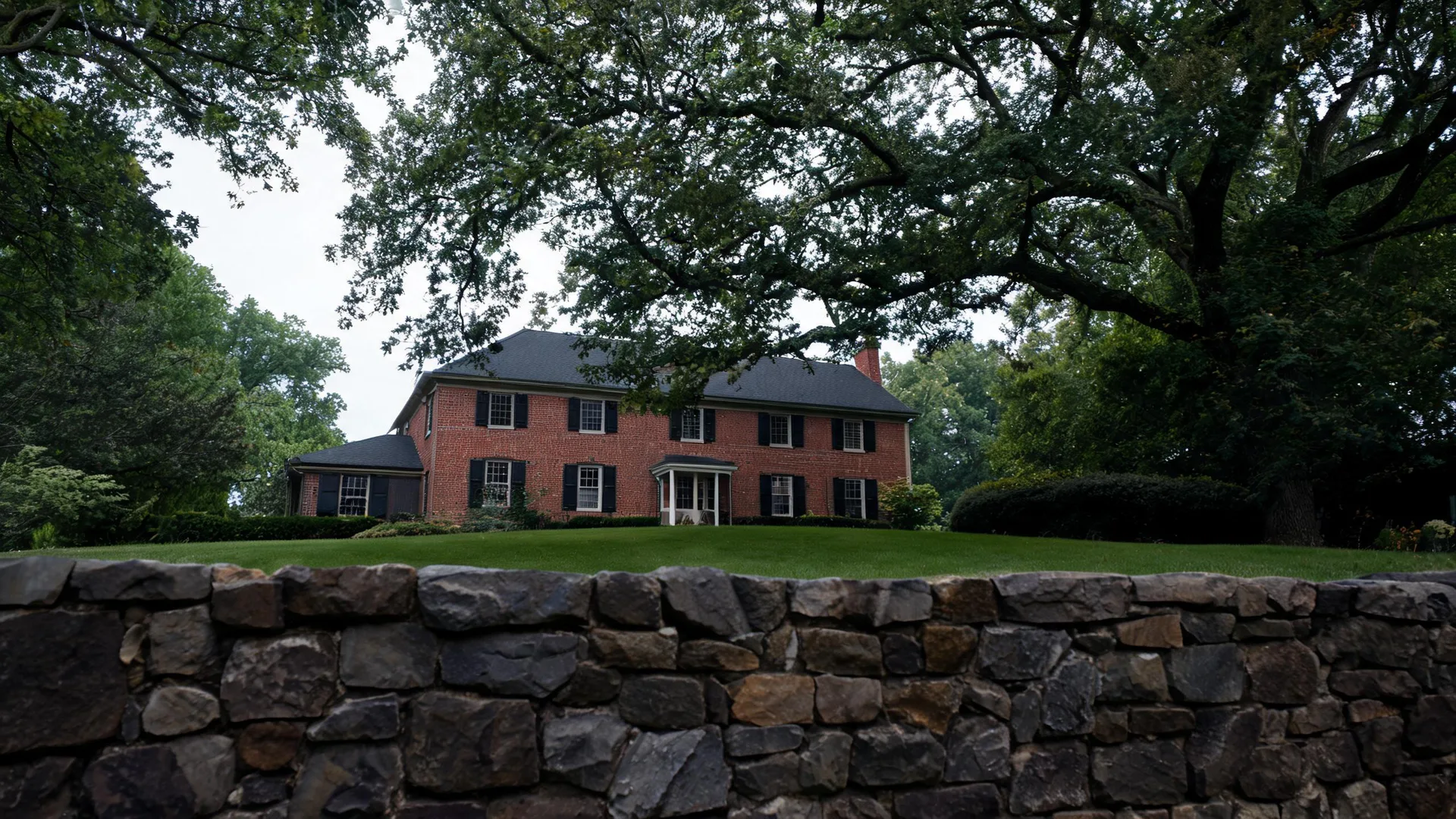
A two-story red brick house with black shutters and a dark roof sits on a mown lawn behind a dry-stacked stone retaining wall, framed by large overhanging tree branches.

Furnace Repair in Honesdale, PA

Tell us about the job

Takes about a minute. No obligation.

Step 1 of 3: Equipment

Short cycles or won't stop running

A furnace that fires up and shuts off again within a few minutes is usually fighting a dirty flame sensor or a clogged filter choking airflow. One that runs and runs without shutting off points to a failing limit switch or a thermostat that's lost track of the room. Either way the furnace is struggling to do a job it used to do without you noticing.
Noise, smell or a yellow flame mean call now

A banging sound at startup, a burning smell that isn't just dust burning off, or a flame that's yellow instead of blue are not wait and see signs. These point to a cracked heat exchanger, a gas problem, or incomplete combustion, and a furnace doing any of this needs a technician out before it runs again.

9 months
September through May, your furnace is on duty
17°F
the average winter night it heats against
41 winter storms
in ten years, the nights a failure hurts most
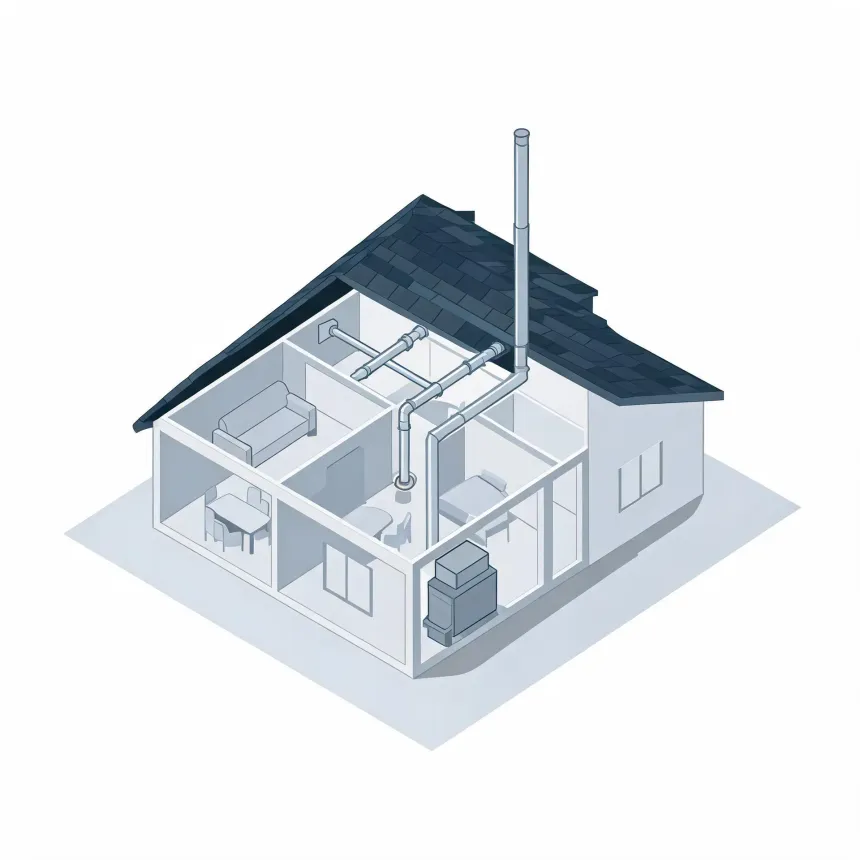
Isometric cutaway illustration of a single-story house showing interior rooms with furniture, ductwork and piping running to a tall vertical flue through the dark shingled roof, and a furnace-like appliance unit on the floor.
Your furnace works hardest from November through March.

NOAA nClimDiv, 1991–2020 normals

Furnaces in Honesdale start working in September and keep going through May.

A weak part usually gives out in the first weeks of September, right when the furnace starts working again.

Half the homes in Wayne County were built in 1980 or later, so a lot of furnaces still have years of work left in them

Half the homes here were built by 1980
Heat runs September through May
Winter nights average 17°F

If your furnace runs on fuel oil, you already know it costs more to heat with than gas. Oil ran $25.15 per million Btu in Pennsylvania last year. A furnace that's short cycling or struggling to hold a limit switch setting is burning fuel it isn't turning into heat, and at that price every wasted cycle shows up on the bill. A furnace running the way it should uses less oil to do the same job. One that's fighting itself all winter costs you for every month it's left that way.

Nine months of heat a year wears parts down faster

Nine months of heat a year, with overnight lows averaging 17°F in December, January and February, doesn't leave a furnace much room to rest. Add in how often winter storms hit this county and you've got a system that's been asked to run hard, for a long stretch. If yours is short cycling, running nonstop, or making noise it shouldn't, that kind of use is probably why. A technician can tell you which part gave out and fix the one that's actually causing it.

Find a contractor
A man in a cap, work jacket and tan trousers carries a canvas tool bag up wooden porch steps toward a blue front door of a house with lap siding.
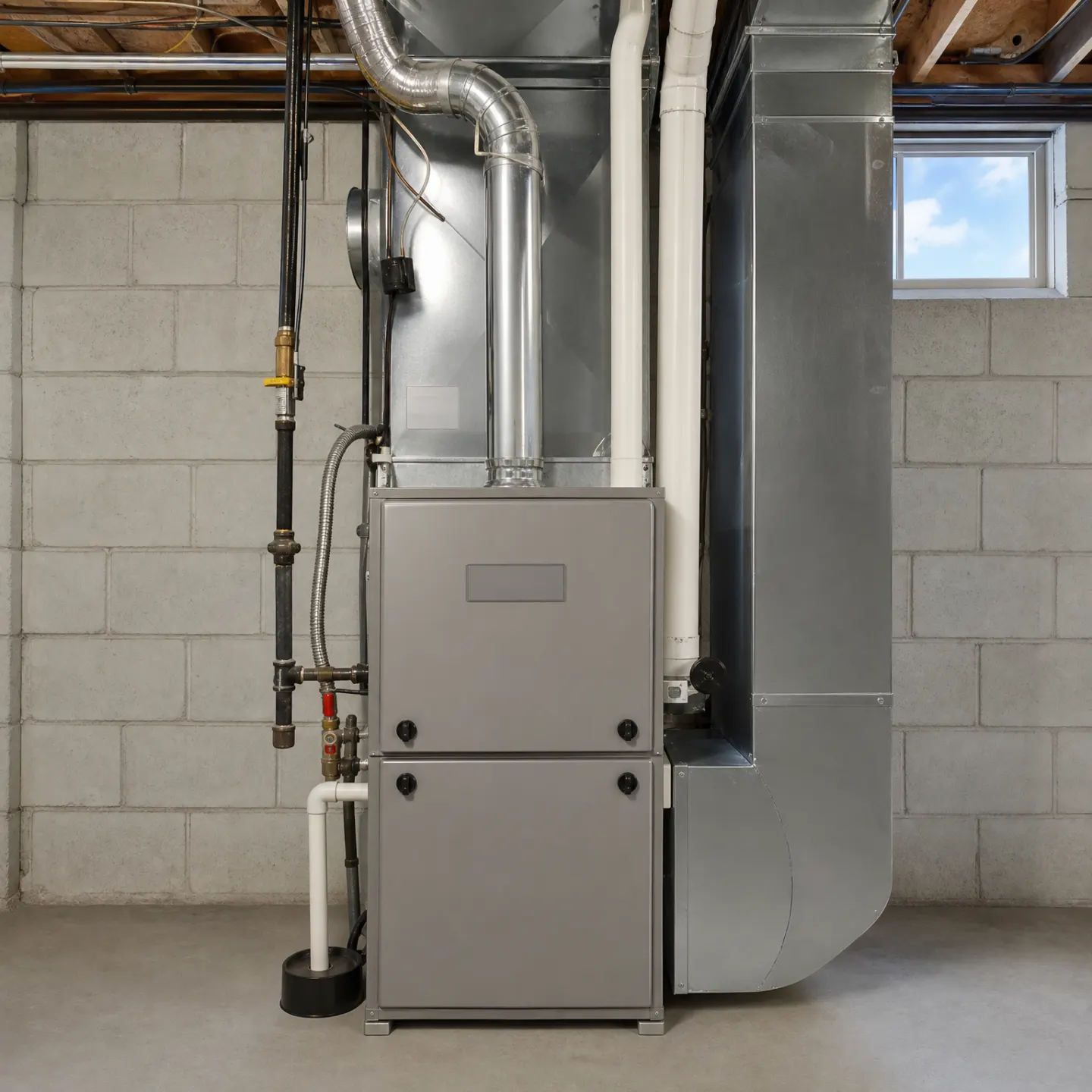
A gray high-efficiency gas furnace installed in an unfinished basement, surrounded by gas lines, a condensate drain, and sheet-metal ductwork.

Built in 1980 or later, your furnace is probably worth fixing

If your house falls on the newer side of that line, the furnace likely isn't old enough to be the problem by itself. A repair makes sense when the equipment underneath still has years in it. The symptoms on this page, short cycling, a flame sensor going bad, a limit switch losing its setting, are the kind of thing that shows up on a furnace that's otherwise sound. Worth fixing, not worth replacing.

A few parts cause most service calls

A flame sensor coated in residue stops reading the flame and shuts the burner off before it can heat the house. An igniter cracks after enough heat cycles and won't glow hot enough to light the gas. A draft inducer motor wears out and the furnace won't start at all because it can't prove it's venting properly. Any one of these can stop a furnace cold even though the rest of the system is fine.

A dirty filter shortens the blower's life

A filter clogged with dust forces the blower motor to work harder to push the same amount of air through the ducts. That extra strain wears the motor down well before its time. A starved blower also means less air moving across the heat exchanger, and a heat exchanger that doesn't get enough airflow can overheat and trip the limit switch.

Before you call anyone, check the filter. Pull it out and hold it up to a light. If you can't see light through it, it's choking the blower, and that alone can cause short cycling or a tripped limit switch. Check that the thermostat is set to heat and the batteries aren't dead. Make sure no supply vents are closed or blocked by furniture. Go look at the furnace itself. If it has a standing pilot, see if it's lit. If the unit has a reset button, it's fine to press it once. A furnace that won't start at all, makes a banging noise, or smells like gas needs a technician regardless of what you find. But a cold house with a tripped breaker or a dirty filter is sometimes that simple.

A diagnostic call starts before any panel comes off. The technician asks what the furnace was doing, when it started, and what if anything changed around the same time. Then comes the thermostat, the filter, the air coming out of the vents, the basics that rule things in or out fast. From there it's testing, not guessing. A multimeter checks whether the igniter is getting power and putting out the resistance it should. A flame sensor gets pulled and looked at, sometimes cleaned on the spot to see if that alone fixes it. Pressure switches, limit switches and the draft inducer each get checked against what they're supposed to read when the furnace is asked to run. The goal is to find the one part actually causing the symptom, not to replace parts until something works. By the end you should know what failed, why, and what it takes to put it right.