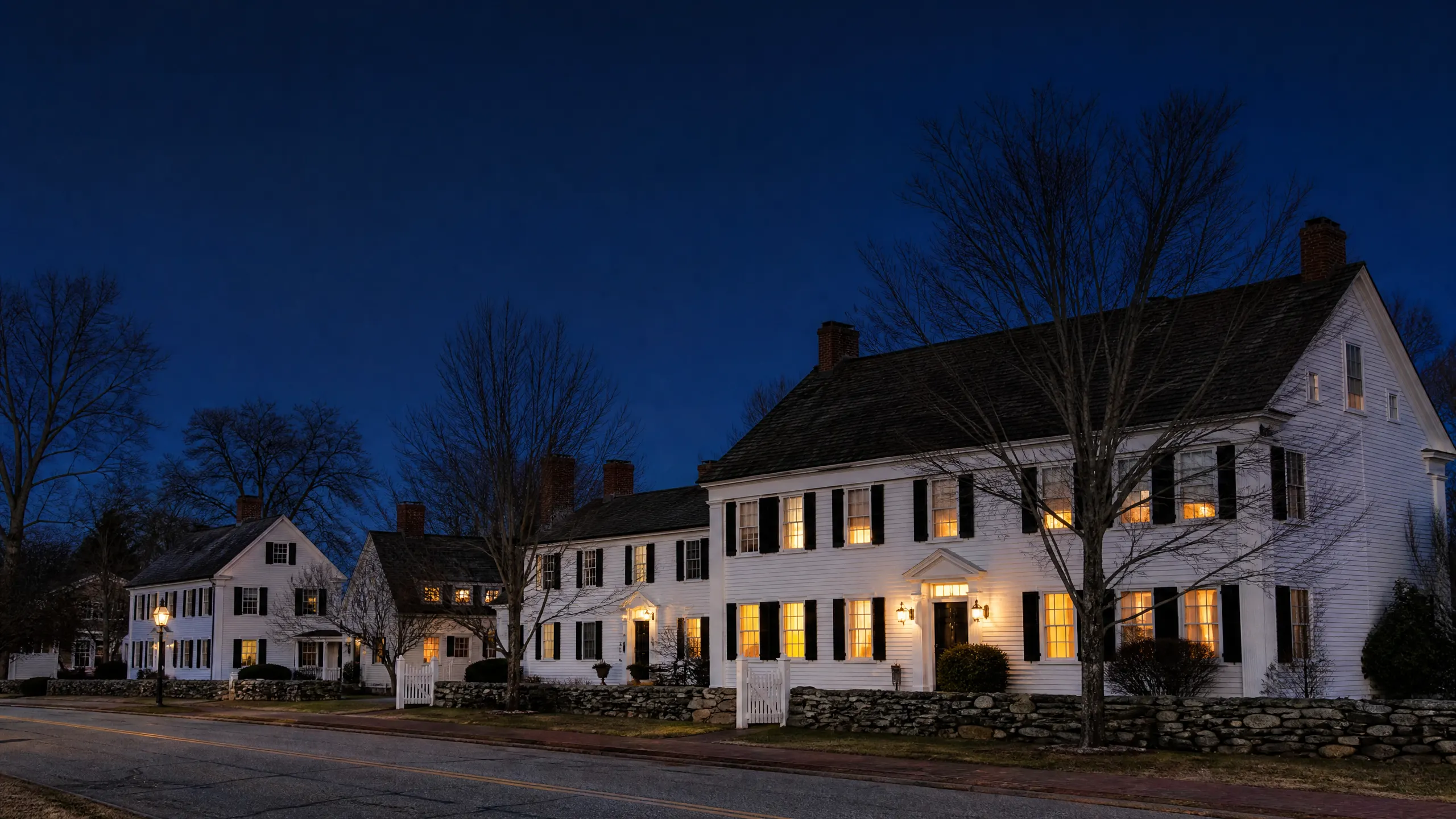



White colonial-style houses with lit windows photographed at dusk along a tree-lined street.

Furnace Installation in Butler, PA

Tell us about the job

Takes about a minute. No obligation.

Step 1 of 3: Equipment

Most homes in Butler County heat with gas, close to 68 percent of them. That makes a gas furnace the standard replacement here, and parts, venting rules and installer experience all follow that standard. Electric heat covers another 18.6 percent of homes, usually where no gas line reaches the house. If your home already has a gas line, swapping in a new gas furnace is a straightforward job built around equipment installers here handle all the time. If it doesn't, bringing gas in just for a furnace is a bigger project than a straight swap, and that changes what kind of system makes sense for this house.

8 months
October through May, your furnace is on duty
21°F
the average winter night it heats against
68%
of homes here heat with gas, so most furnaces here burn gas
80% AFUE
the federal minimum any new unit must meet
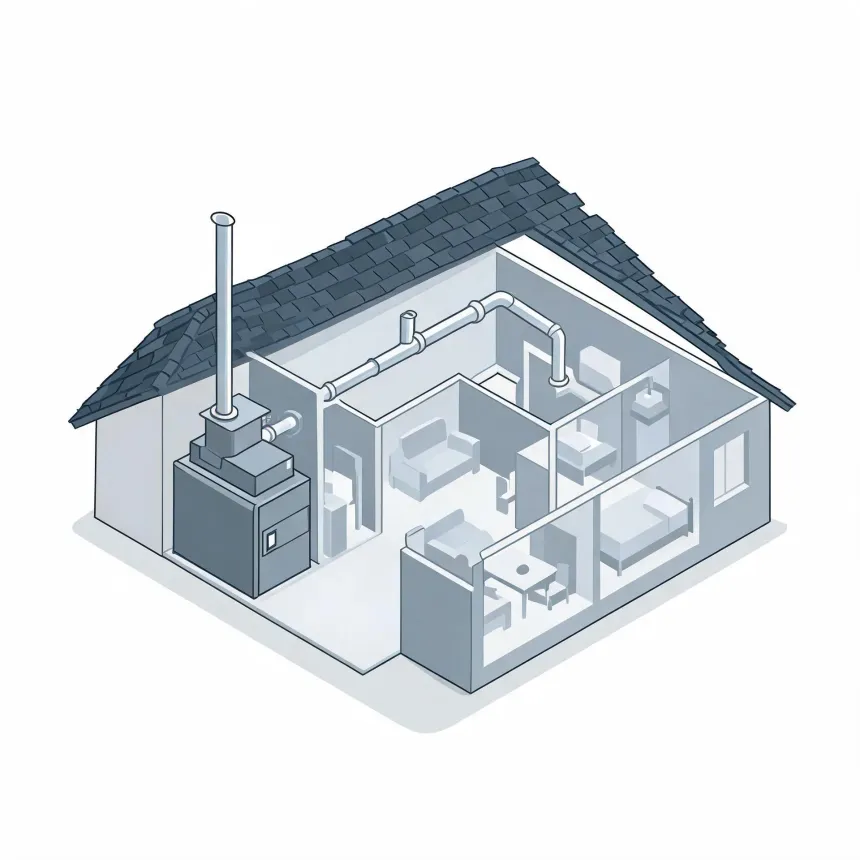
Isometric cutaway illustration of a single-story house showing interior rooms with furniture, ceiling ductwork, and a large furnace unit with a tall flue pipe in a corner room.
Your furnace works hardest from November through March.

NOAA nClimDiv, 1991–2020 normals

A furnace sized too big for the house short cycles, turning on and off before the air ever evens out.

Getting the size right means a room by room look at the house, not a swap based on the old unit's label.

Eight months of heat starts in October. Have the new furnace in before then.

Heat runs October through May
Winter nights average 21°F
Climate zone 5A

A standard gas furnace, sized right for the house, is the right call here. Nothing about Butler pushes toward oversizing or toward a pricier high-efficiency unit beyond what makes sense anywhere else. Gas here runs $13.12 per million Btu. That cost doesn't change what size or model fits your house. What decides that is the house itself, its square footage, its windows, how it's insulated. An installer who sizes to the room count gets this right the first time.

Install before the efficiency minimum changes

Any furnace installed in Butler County now has to meet 80 percent AFUE, the federal minimum for this type of furnace. That's a floor, not a special target for this area, and it's what installers already build around here. A federal tax credit can offset part of a qualifying high-efficiency unit installed now. That minimum is set to rise sharply in a few years, which will change what's on the market and what installation costs.

Find a contractor
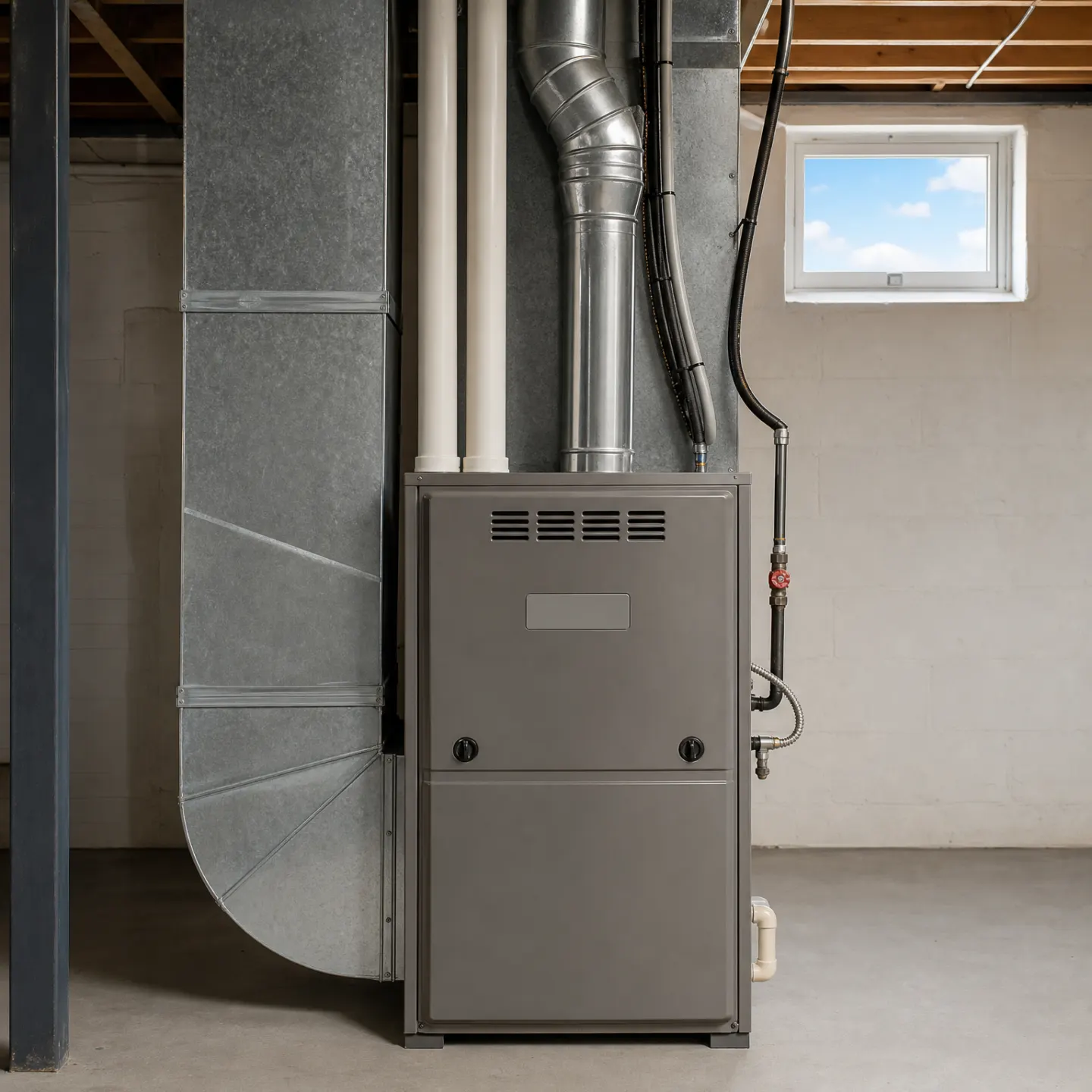
A gray residential gas furnace installed in an unfinished basement, surrounded by ductwork, a metal flue pipe, and a gas supply line.

The old furnace doesn't just get swapped off

Once the new furnace is in, whoever installs it has to deal with the one coming out. An old furnace holds a lot of weight in cast metal and sheet steel, and it doesn't come apart in one piece. The gas line gets capped first, then the vent connector comes loose, then the cabinet gets broken down enough to carry out the door it came in through, or close to it. If the old unit is a high-efficiency model, there's a condensate line to disconnect too, and that drain has usually been running for years with no one looking at it. None of this touches the new system's performance, but it's real labor, and it's why a straight swap still takes more than unboxing the new one and setting it in place.

AFUE measures fuel, not comfort

The AFUE number on the label tells you how much of the gas burned turns into heat in the house versus what goes out the flue. It says nothing about how evenly that heat reaches every room, how quiet the furnace runs, or how long it lasts. Furnaces with the same rating can still feel different to live with, because that comes down to ductwork and sizing, not the number on the label.
A higher rating changes the installation, not just the bill

Moving up in AFUE usually means moving to a condensing furnace, and that's a different kind of install. A condensing furnace vents through PVC pipe out a sidewall instead of a metal flue, and it produces condensate that has to drain somewhere. An installer who hasn't run that venting or set up that drain before is the wrong one for that unit. That's worth asking about before deciding the higher rating is worth it.

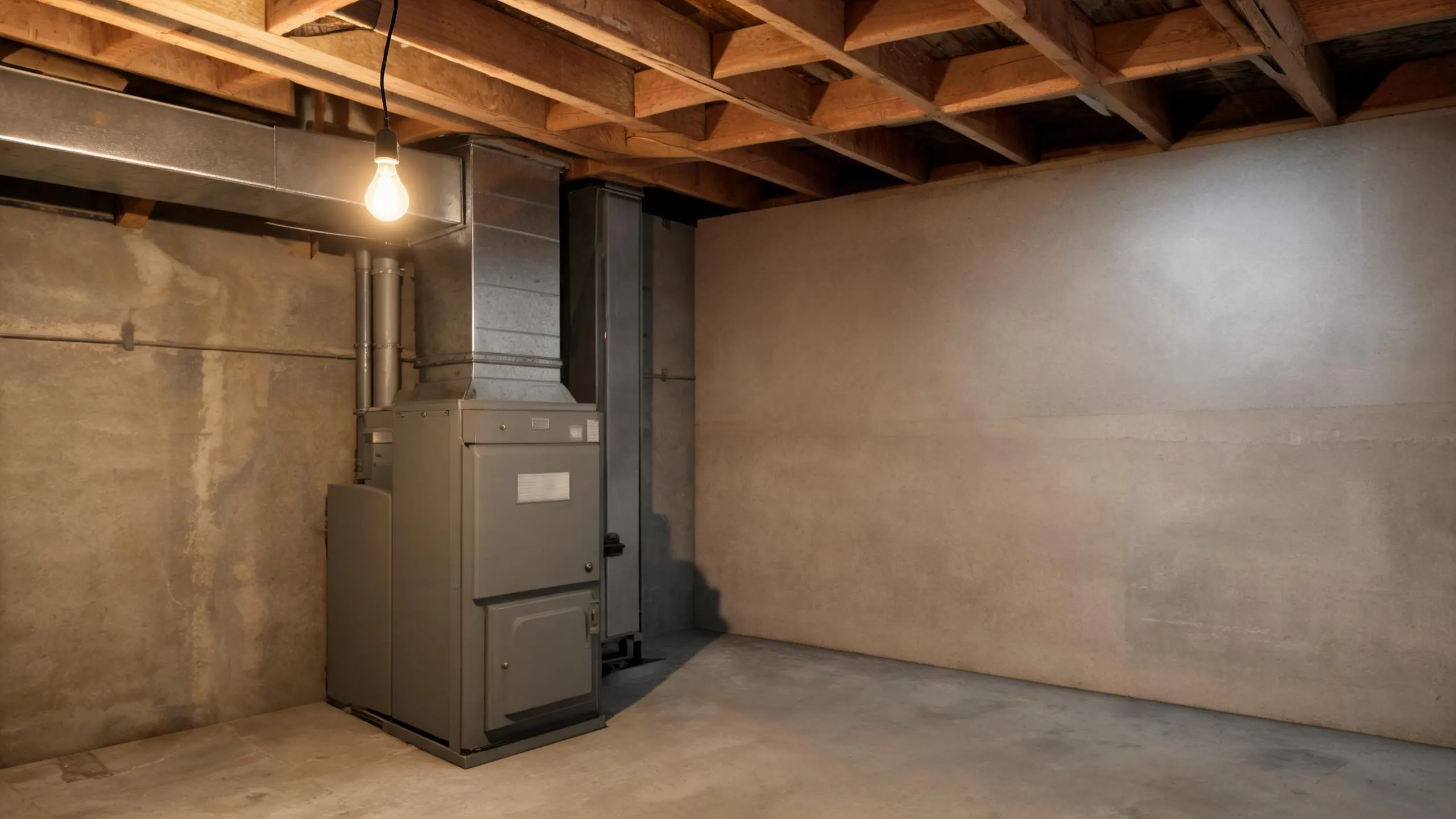
A gray forced-air furnace with sheet-metal ductwork stands in an unfinished basement with exposed wooden joists, concrete walls, and a hanging incandescent bulb.

A high-efficiency gas furnace would save about $140 a year to run in Butler County compared with a gas furnace.

  • A high-efficiency gas furnace$650 a year
  • A gas furnace$790 a year

Estimates for a typical Butler County home, from EIA household energy data, Pennsylvania fuel prices and NOAA climate normals. Your home will differ.

Removal comes first, and it has to happen before anything new goes in. With the old furnace out, the installer checks the space itself. The gas line, the vent, the electrical connection, the ductwork where it meets the plenum all have to be looked at, since the new furnace has to tie into what's already there. Sometimes that means adjusting a duct transition or running new flue pipe instead of reusing the old one. Setting the furnace in place is the quick part. The gas line gets pressure tested, the vent connection gets checked, and the furnace gets run through a full cycle before anyone calls the job done. A furnace tested under load gets caught if something's off that day, not months later.