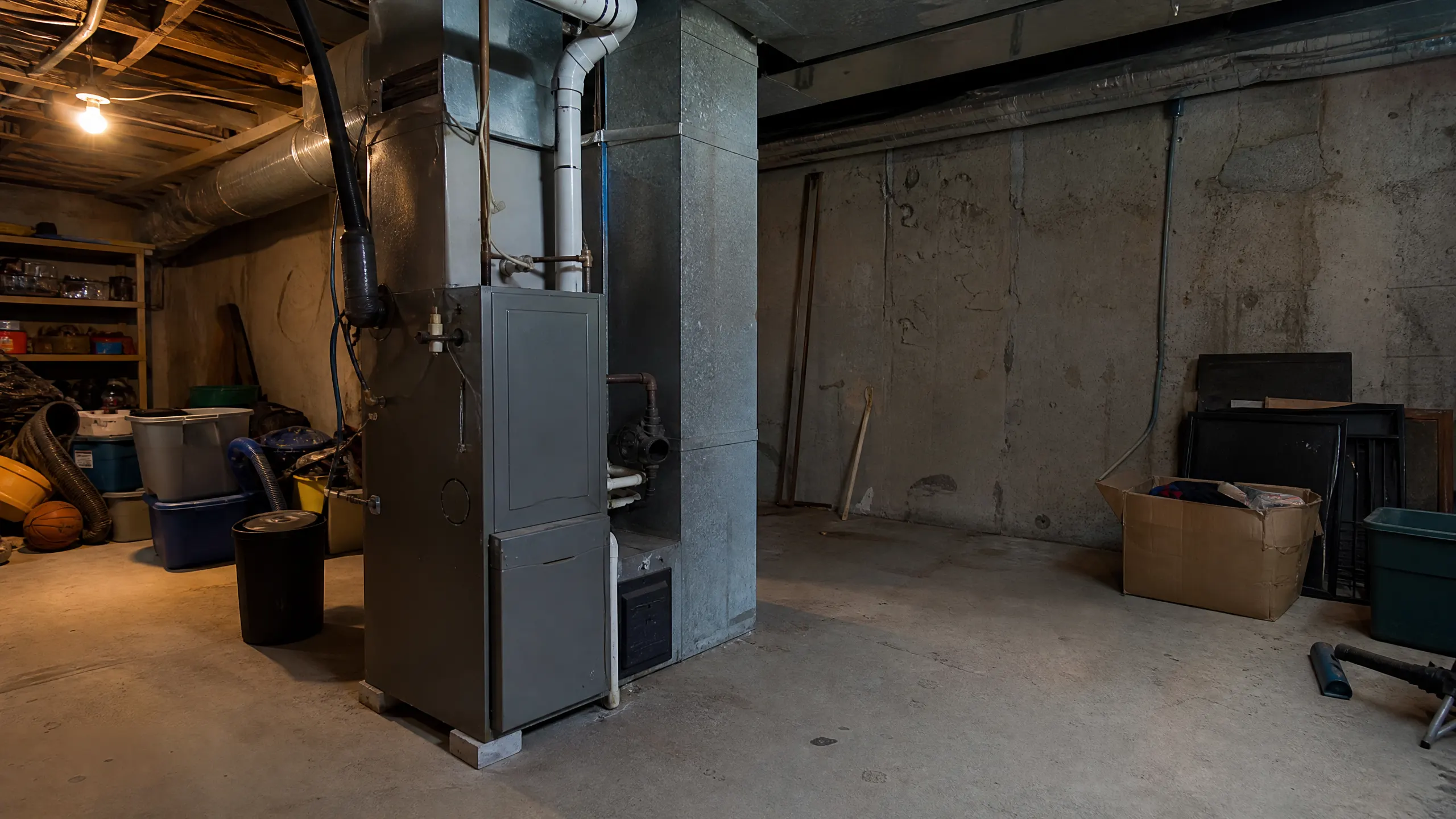
A gray forced-air furnace with ductwork stands in an unfinished concrete basement surrounded by storage items and clutter.

Furnace Installation in Pittsburgh, PA

Tell us about the job

Takes about a minute. No obligation.

Step 1 of 3: Equipment

Storms hit this county often

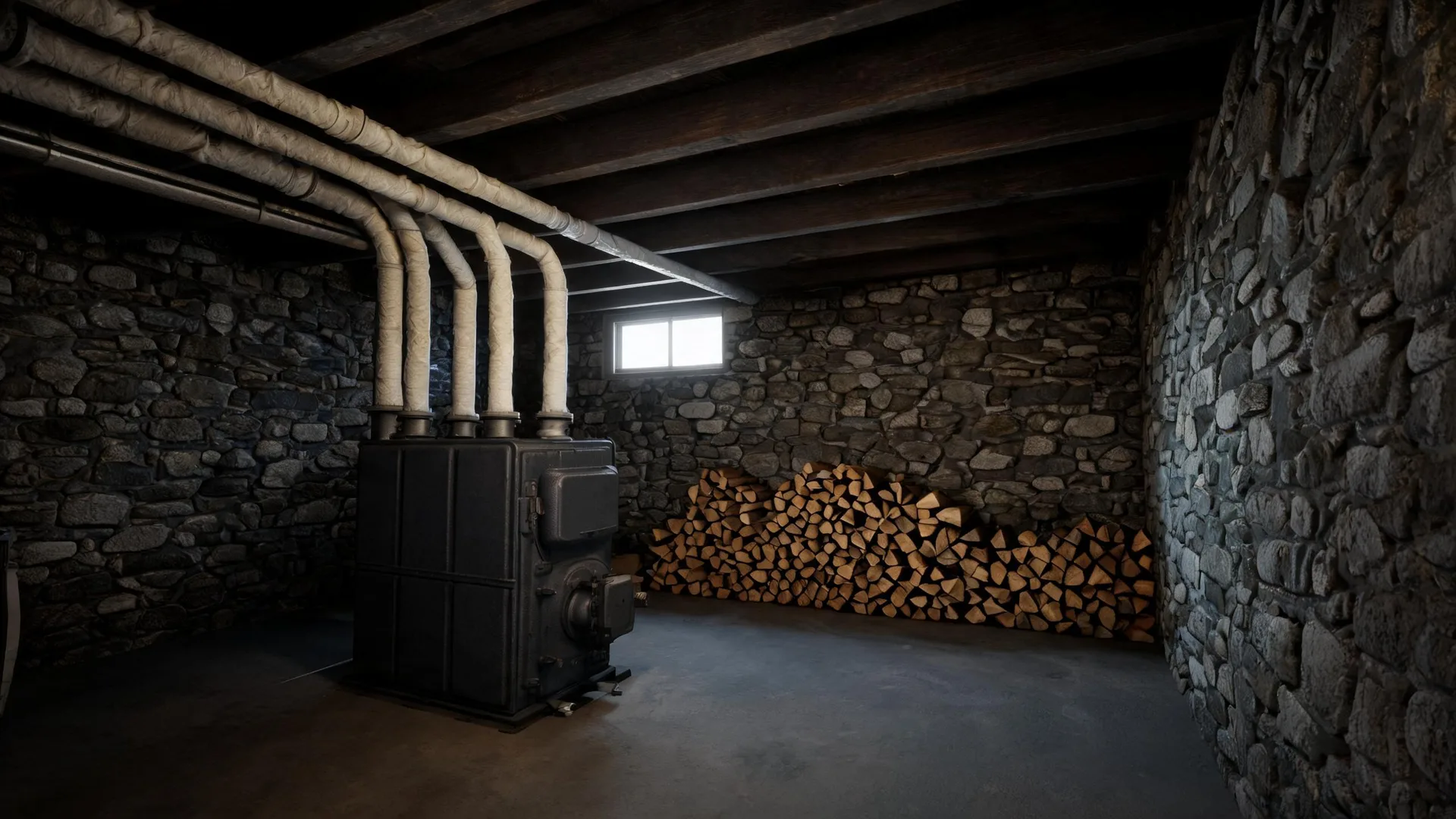
Allegheny County recorded 690 severe weather events between 2015 and 2024, including 548 cases of damaging wind and 115 hail events. A furnace installed here shares the property with equipment exposed to that weather, and the outdoor and venting components need to be placed with that in mind.
Power doesn't always hold

15% of Pennsylvania households went at least a full day without power in 2024. A gas furnace still needs electricity to run its blower and controls, so an outage can mean no heat even with gas still flowing to the house.

8 months
October through May, your furnace is on duty
24°F
the average winter night it heats against
81%
of homes here heat with gas, so most furnaces here burn gas
80% AFUE
the federal minimum any new unit must meet
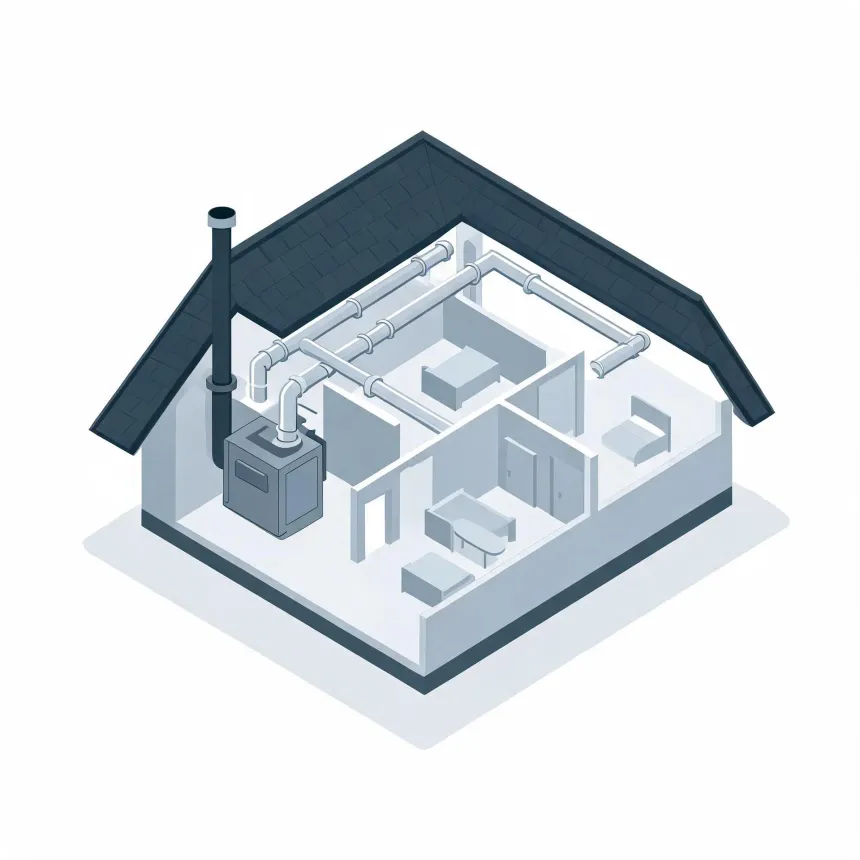
Isometric illustration of a cutaway house showing a dark furnace unit with a flue pipe and branching ductwork running through rooms with simple furniture under a dark gabled roof.
Your furnace works hardest from November through March.

NOAA nClimDiv, 1991–2020 normals

Half the homes in Allegheny County were built in 1957 or earlier.

A furnace going into a house that old has to match the ducts and venting already there, not the other way around.

Most homes here already run on gas, and that's the easiest furnace to replace

80.5% of homes heat with gas
Climate zone 5A
Heat runs October through May

Allegheny County falls in climate zone 5A, a zone where winter heating is the bigger job over the year. Any gas furnace installed here has to burn at least 80 percent of its gas into heat, a federal floor that applies to every unit made since November 2015. That floor rises to 95 percent for furnaces built on or after December 18, 2028, so what counts as compliant is about to change. A furnace meeting today's minimum is still a legal install right up until that date. Beyond the minimum, a federal tax credit is available for furnaces that beat the baseline efficiency, which is worth asking about when comparing models.

Plan the install around the weather it has to survive

This is the point to decide where the outdoor venting goes and whether the new furnace needs battery or generator backup to keep running when the power drops. Ask about placement that keeps vent components clear of wind and falling debris. A furnace installed with that in mind keeps working through the kind of weather that's common here.

Find a contractor
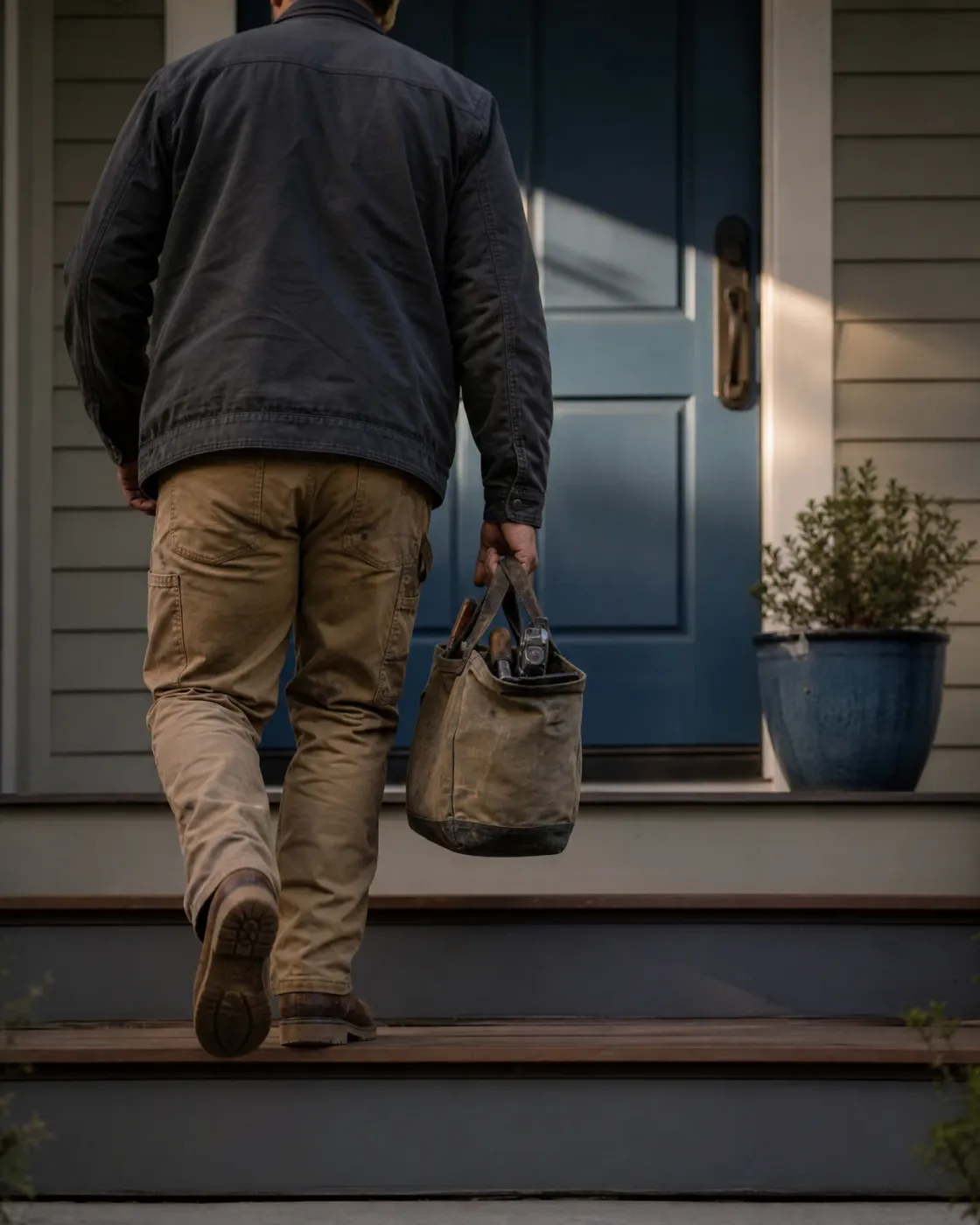
A man seen from behind in a dark jacket and tan work pants climbs wooden porch steps toward a dark blue front door, carrying a worn canvas tool bag in his right hand, with a potted shrub in a blue planter beside the entry.
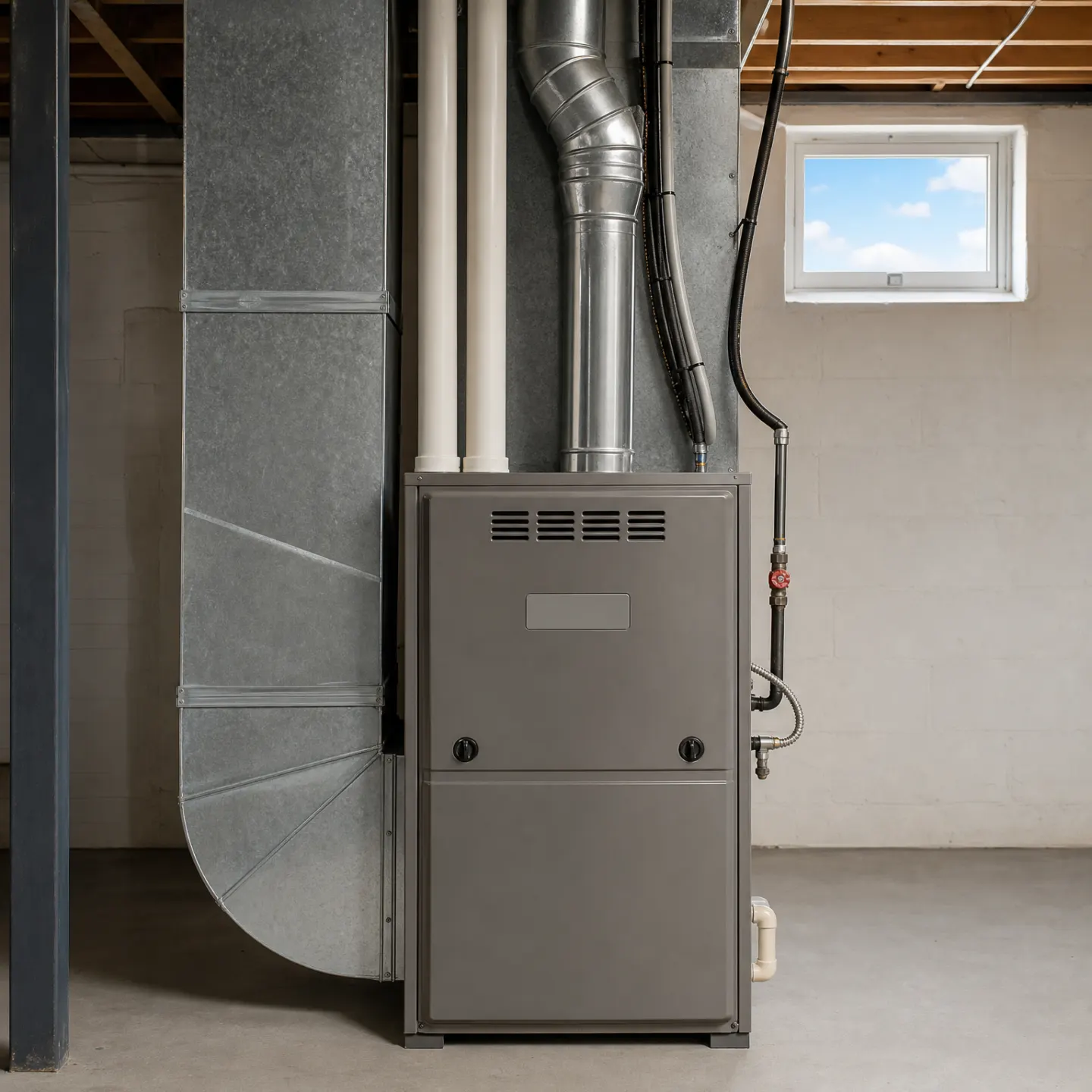
A gray residential gas furnace installed in an unfinished basement, surrounded by ductwork, a metal flue pipe, and a gas supply line.

Eight months a year, starting in October

Heat goes on in October here and most homes run it through May, eight months straight. That's most of the year on the furnace, not just the cold snap in January. Get it installed in September and it's running on a normal schedule from the first cold morning, with time to catch anything wrong before you're depending on it overnight. Wait until the first cold week and you're choosing a furnace while you're already cold, picking from whatever's in stock instead of what fits your house.

The old furnace has to come out whole

A furnace isn't just unbolted and carried off. The gas line gets capped, the flue or vent pipe gets disconnected, and the ductwork connection has to be opened up and matched to whatever comes next. If the old unit is a different size or vents a different way than the new one, that transition point is where problems show up later if it's rushed.

The flue often needs a second look

An older furnace may have shared a chimney or vent with a water heater. Pull the furnace out and that shared venting can end up oversized for what's left running through it, which keeps exhaust from drafting the way it should. A tech sizing the new install has to account for whatever else still vents through that same path, not just the furnace being replaced.

An unfinished basement featuring a grey forced-air furnace with metal ductwork, concrete block walls, exposed wooden joists, and a single hanging bare bulb.

A high-efficiency gas furnace would save about $130 a year to run in Allegheny County compared with a gas furnace.

  • A high-efficiency gas furnace$600 a year
  • A gas furnace$730 a year

Estimates for a typical Allegheny County home, from EIA household energy data, Pennsylvania fuel prices and NOAA climate normals. Your home will differ.

Installation day starts with the old furnace still running, or not, and ends with the new one fired up and tested. A tech checks gas pressure at the manifold, confirms the blower is pulling the right airflow for the ductwork it's tied into, and runs the furnace through a full cycle, watching the flame and listening to the ignition sequence. The vent pipe gets checked for proper slope and clearance once it's connected, since a flue that doesn't draft right can pull exhaust back into the house instead of out. Low voltage wiring gets connected to the thermostat and tested, confirming the system responds to a call for heat and shuts off clean when it's satisfied. Before anyone leaves, the gas line gets checked for leaks at every joint that was touched. A good installation ends with the tech walking the homeowner through the thermostat and pointing out the filter slot, not just packing up and leaving the manual on the furnace.」