Electricity here runs 22.52 cents a kilowatt-hour
That is higher than in most US counties. A mini-split pulls from the grid every hour it runs, so that rate applies to every cycle, not just the hardest-working ones.
Takes about a minute. No obligation.
That is higher than in most US counties. A mini-split pulls from the grid every hour it runs, so that rate applies to every cycle, not just the hardest-working ones.
Pittsburgh does not run a mini-split as many hours a year as hotter states do. But each of those hours is billed at a higher rate here, so a unit working harder than it should shows up fast on the bill.
NOAA nClimDiv, 1991–2020 normals
Allegheny County logged 690 severe weather events between 2015 and 2024.
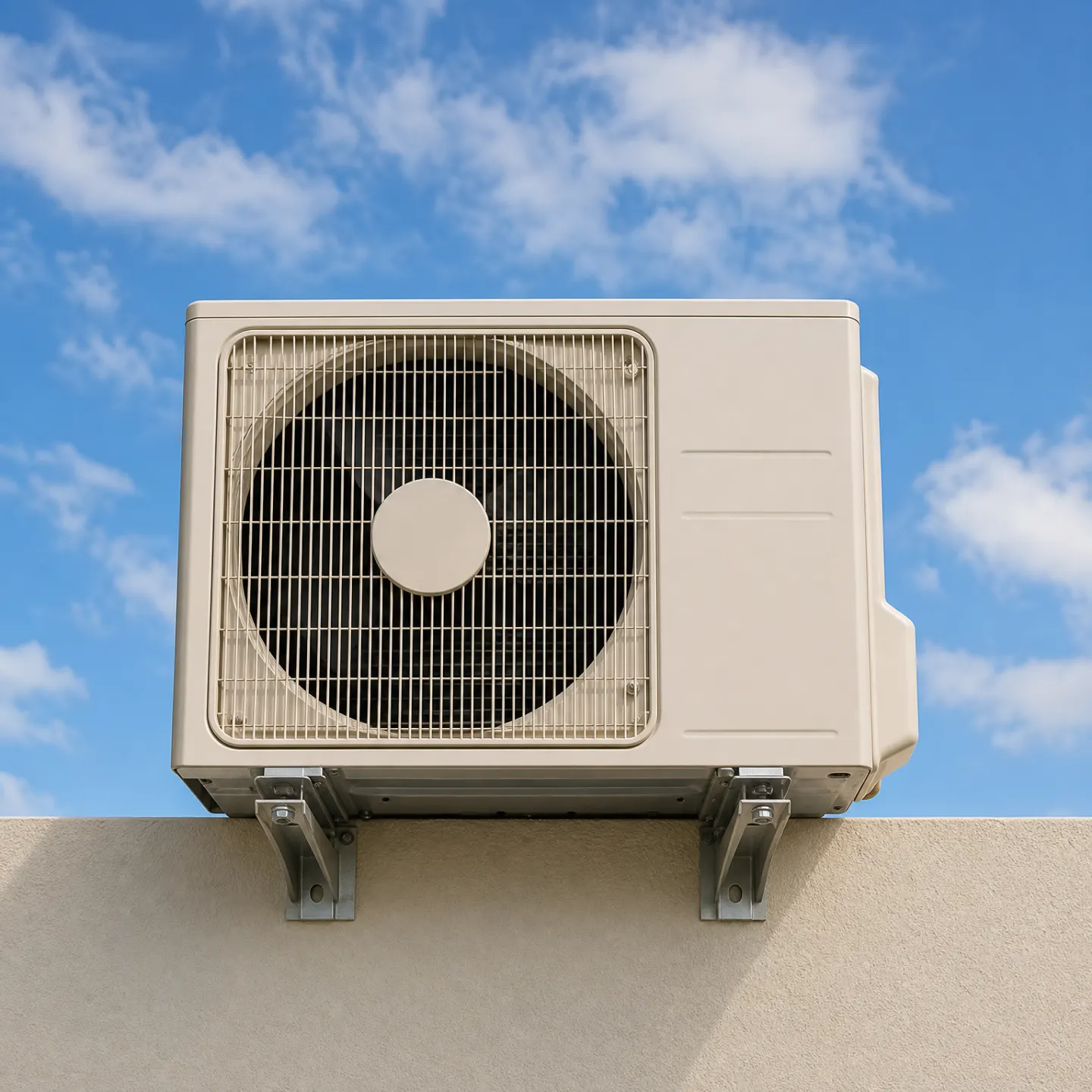
That outdoor unit needs a spot where wind and hail won't reach it easily.




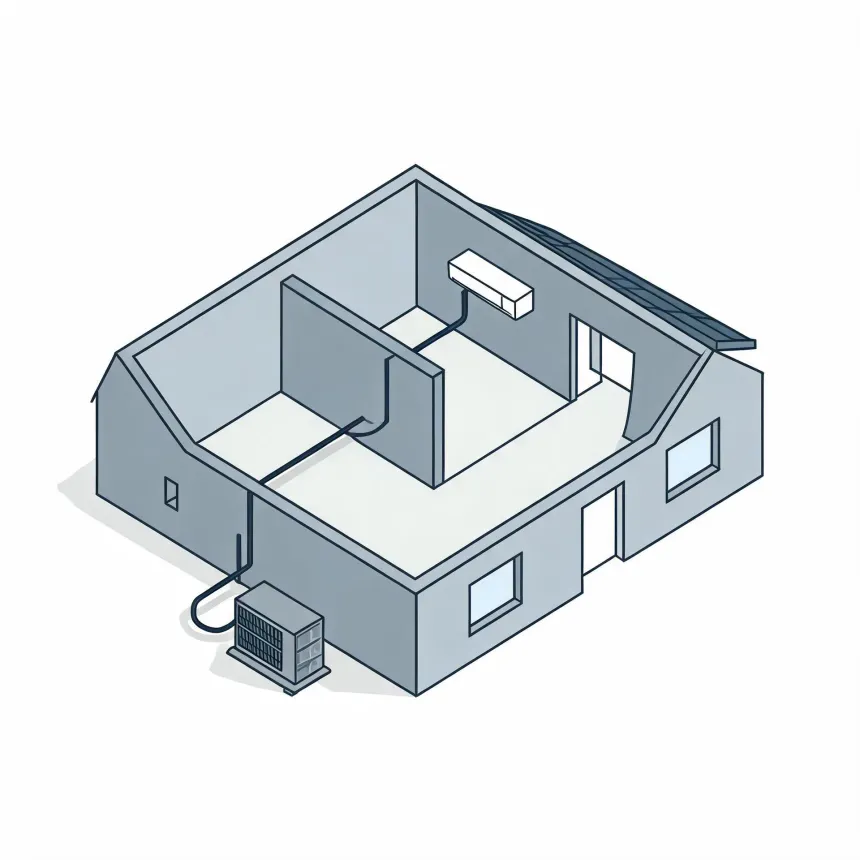
Half the homes in Allegheny County were built in 1957 or earlier. A house that age was not built with a mini-split in mind, and the walls, the wiring, even where the electrical panel sits all reflect that. None of this means the job can't be done. It means the installer has to work out where the line set runs, whether the panel has room for a new circuit, and where the indoor unit can go to actually condition the rooms you use. A new system fitted to an old house, done right, will run the way it's supposed to for years. Fitted wrong, it fights the house every single cycle, and that shows up on the bill before it shows up anywhere else.
Power here costs more than in most places, and a mini-split draws on it every time it runs. Getting the install right, the sizing, the line set, where the outdoor unit sits, is what decides whether this system runs the way it should or works harder than it needs to. That shows up on the bill long before anything breaks.
Find a contractorAn older home means more to work out before the outdoor unit ever runs. Ask whoever quotes the job to walk through where the line set will go and whether the panel can take the new circuit. That walkthrough is what the day-and-night stretch of running you see here depends on. A unit placed and sized for your house holds steady through hours like these. One that was forced into a spot that was convenient, not right, will cycle harder to keep up, and you'll feel that in the rooms it's supposed to be cooling.
A mini-split rarely replaces a whole system. If there's an old window unit or a worn-out mini-split already in place, the installer disconnects the line set and removes the indoor and outdoor units. The refrigerant has to be recovered first, not vented, so plan on that step happening before anything is unmounted.
The old outdoor unit usually sat on a pad or bracket that a new one can often reuse, once the installer checks it still gives proper clearance. Same with the hole drilled for the line set. If the layout still makes sense for the new system, there's no reason to patch it over and start somewhere else.
Comparing mini-splits means comparing more than the units themselves. Ask what the installer sized the system for, meaning the actual rooms and their heat gain, not a flat number pulled from the square footage. A unit sized by square footage alone can short cycle, turning on and off before it pulls moisture out of the air, which leaves rooms feeling damp even at the right temperature. Ask how many zones the system supports and whether that matches how you actually use the space, since a single indoor head can't condition rooms on the other side of a wall from it. Ask about the line set length the quote assumes, because refrigerant lines run longer than expected lose efficiency, and a straightforward run costs less to install than one that has to snake through finished walls. Ask what happens to the outdoor unit in a hard freeze, since some systems handle low ambient temperatures better than others. The quote that answers these without you asking is usually the one worth taking.
Allegheny County falls in climate zone 5A, a cool zone where a system does more heating than cooling over the year. Any mini-split installed here, no matter the brand or the installer, has to meet the federal minimum for a split-system heat pump: at least 14.3 Btu of cooling for every watt-hour it draws, and at least 7.5 Btu of heating for every watt-hour in winter. That is not a local rule. It is the floor for every unit manufactured from 2023 on, ductless included, since the standard does not carve out a separate class for mini-splits. A unit that meets the floor and nothing more will run differently here than the same unit would in a mild climate, because it is leaning on the heating side more than the cooling side. Ask what a unit delivers above that minimum before you compare it on price alone.