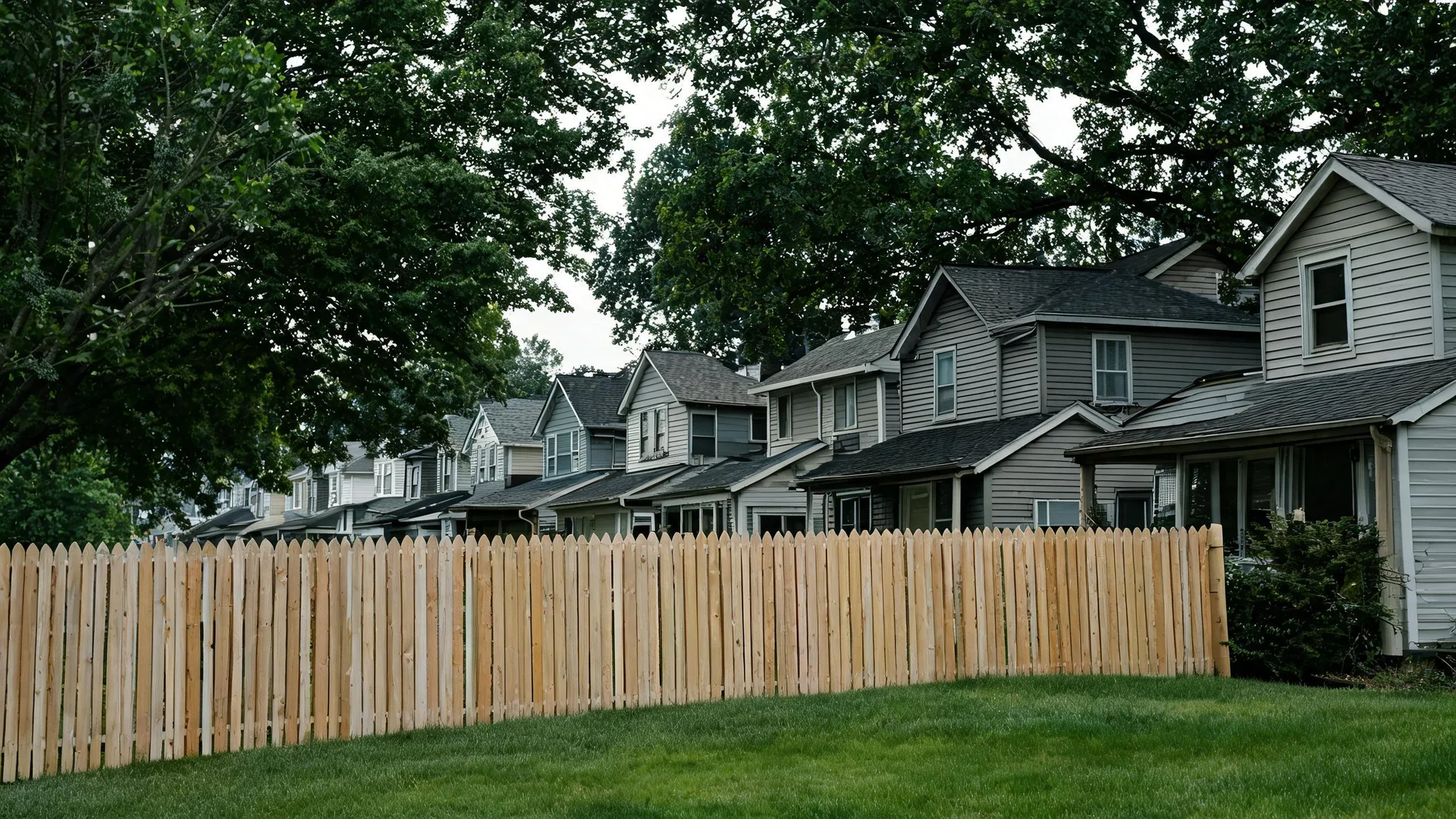




A new wooden picket fence curves across a mown lawn in front of a row of two-story gray-sided houses, with large leafy trees overhead and an overcast sky.

Mini Split Installation in Economy, PA

Tell us about the job

Takes about a minute. No obligation.

Step 1 of 3: Equipment

Electricity in Beaver County averages 22.39 cents per kilowatt-hour, higher than most of the country. A mini-split that cycles on and off all day, or works harder because it was sized wrong, turns that rate into a real cost fast. It isn't about how many months it runs. Summer dew points here average 60°F across June, July and August, muggy but not extreme, so the unit isn't fighting the air nonstop the way it would further south. What matters is what happens on the hours it does run. A unit sized and installed right does its job and shuts off. One that's struggling runs longer than it should, and at this rate, every extra hour shows up on the bill.

8 months
October through May, your system heats
3 months
June through August, it cools
23°F
the average winter night it heats against
82°F
the average summer afternoon it cools against
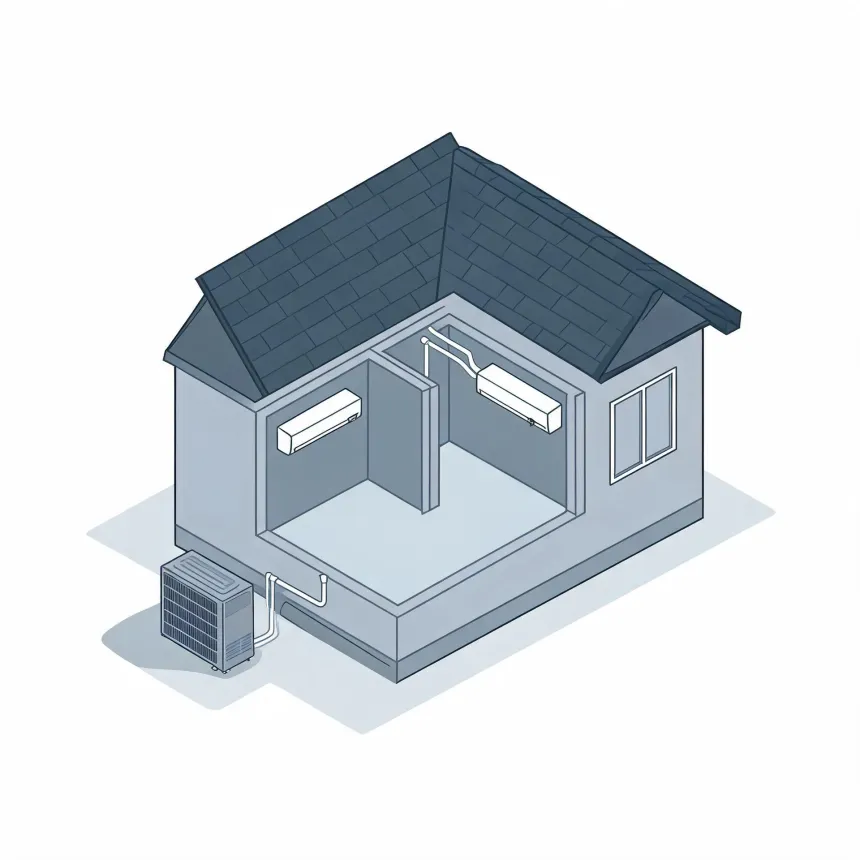
Isometric line illustration of a cutaway house with a shingled gable roof, showing two wall-mounted indoor air conditioning units connected by piping to an outdoor condenser unit on the ground outside.
Your system heats October through May and cools June through August.

NOAA nClimDiv, 1991–2020 normals

Gas heats 70.2% of homes in Beaver County.

A mini-split here is almost always going in alongside a gas furnace, not replacing the only thing that heats the house.

Half these homes were built before modern insulation standards

Half the homes here were built by 1957
Climate zone 5A
Power here costs 22.39 cents per kilowatt-hour
Get It In Before JuneCooling in Beaver County starts in June, and May is the month to have it done.

Beaver County falls under zone 5A in the federal energy code, a cool zone where the heating load counts for more than the cooling load. A mini-split installed here still has to meet the federal minimum for a split-system heat pump, built after January 1, 2023: at least 14.3 Btu of cooling delivered for every watt-hour it draws, and at least 7.5 Btu of heat for every watt-hour it draws in winter. That floor applies everywhere, not just here. It rules out the weaker units some other climates can get by with. A system that only just clears that minimum will run longer and cost more at a rate this high. One built well above it is worth the difference on every bill.

Get the sizing right and the rate stops being a problem

The install decides whether this machine is cheap or expensive to run here, because power costs more in this state than in most. A mini-split sized and installed right does its job and shuts off. One sized wrong keeps running, and at these rates every extra hour shows up on the bill. Get the sizing right at installation and that cost stops working against you.

Find a contractor
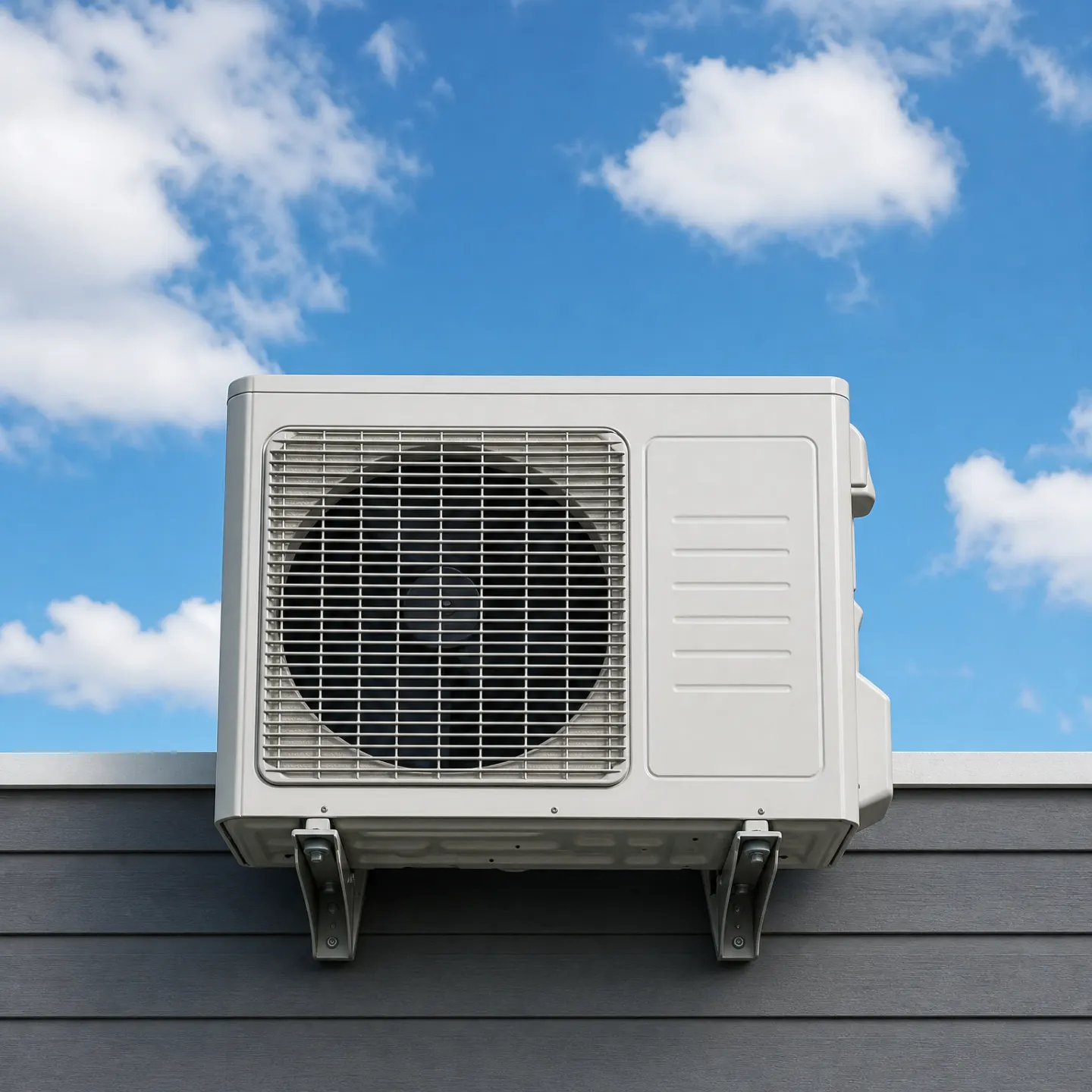
A white outdoor air conditioner condenser unit mounted on metal wall brackets against gray horizontal siding, with a blue sky and white clouds behind it.

This house has history the spec sheet doesn't know about

Half the homes in Beaver County were built in 1957 or earlier. If this one came with the house, or close to it, that history matters for a mini-split more than it would for most purchases. A system sized off square footage alone doesn't know what it's actually up against. Whoever installs this one should size it to this house, not to a chart, and that means walking the rooms it will heat and cool rather than running a number off the tax record.

Ask for a load calculation, not a guess

A contractor should measure each room, check the windows, and figure out where the heat gets in and out before naming a size. If a quote shows up before anyone walks the house, that number came from a chart, not from your rooms. The unit that gets installed should match what they found, not the other way around.
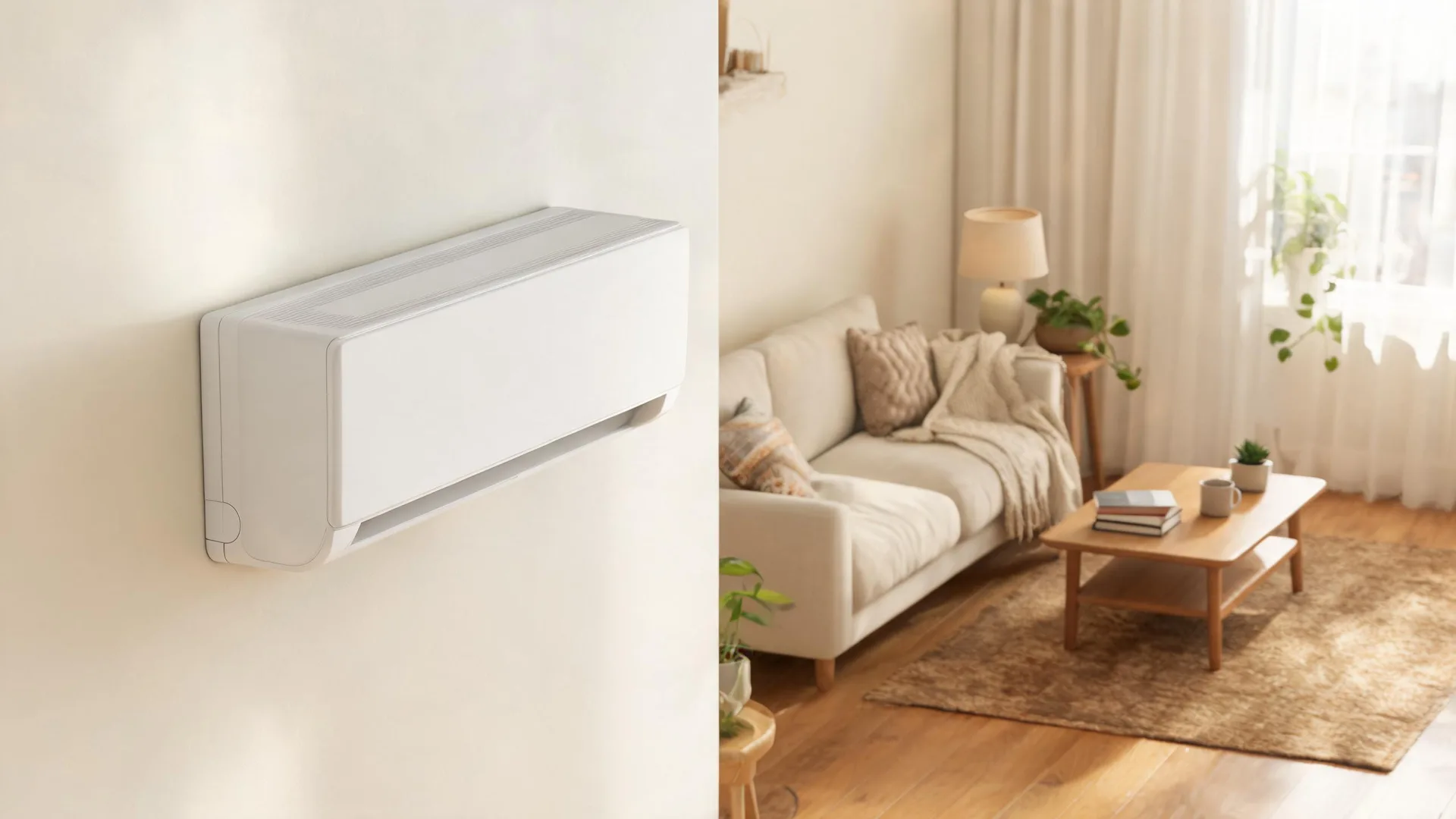
Ask how many zones and why

A mini-split can run one indoor head or several off a single outdoor unit, and the right answer depends on how the space is laid out, not on what's cheapest to install. More zones than you need wastes money on equipment. Fewer than you need means some rooms never get comfortable. Whoever specs the system should be able to say plainly why each zone is there.

If there's an old system coming out, whoever does the install has to deal with it. Central systems leave behind a furnace or air handler, ductwork, sometimes a condensing unit outside. A mini-split going in alongside gas heat usually isn't replacing any of that, it's adding capacity the old system doesn't have, so there may be nothing to remove at all. If an older ductless unit is coming down, the refrigerant inside has to be recovered properly, not vented, and that's true of any system with a sealed refrigerant line. The old indoor head leaves a mounting bracket and a wall penetration behind. A contractor pulling a unit should patch that opening and make it weathertight, not leave it for the next person to notice.

Installation starts outside, with where the outdoor unit sits. It needs clear air on all sides and a path for condensate to drain away from the foundation, not toward it. Indoors, the installer picks a spot on an exterior wall for the line set, the narrow conduit that carries refrigerant lines, power, and a drain line between the two units. That conduit runs through a hole drilled through the wall, so the spot matters, both for how the line runs and for how the indoor head looks once it's mounted. Once both units are set, the lines get connected and the system is pressure tested before anything is charged with refrigerant. A tech pulls a vacuum on the line set to clear out moisture and air, because either one left behind will damage the compressor over time. Only after that vacuum holds does the refrigerant get released from the outdoor unit into the lines. The last steps are powering it on, checking that it heats and cools, and confirming the line set and wall penetration are sealed against weather.