




An unfinished basement containing a metal furnace with ductwork, exposed wooden joists on the ceiling, cardboard boxes, a coiled cable, and a single hanging incandescent bulb.

Furnace Installation in Uniontown, PA

Tell us about the job

Takes about a minute. No obligation.

Step 1 of 3: Equipment

Gas heats more homes in Fayette County than anything else, 44 percent of them, so a gas furnace is the system most contractors here are set up to install and service. Fuel oil comes next at 24.5 percent, and electric heat covers another 21.3 percent. If your old furnace ran on gas, staying with gas usually means the vent and gas line are already in place, which keeps the job simpler. If your home runs on oil or electric heat instead, say so up front, since the install looks different and not every furnace model works with what's already there.

8 months
October through May, your furnace is on duty
22°F
the average winter night it heats against
80% AFUE
the federal minimum any new unit must meet
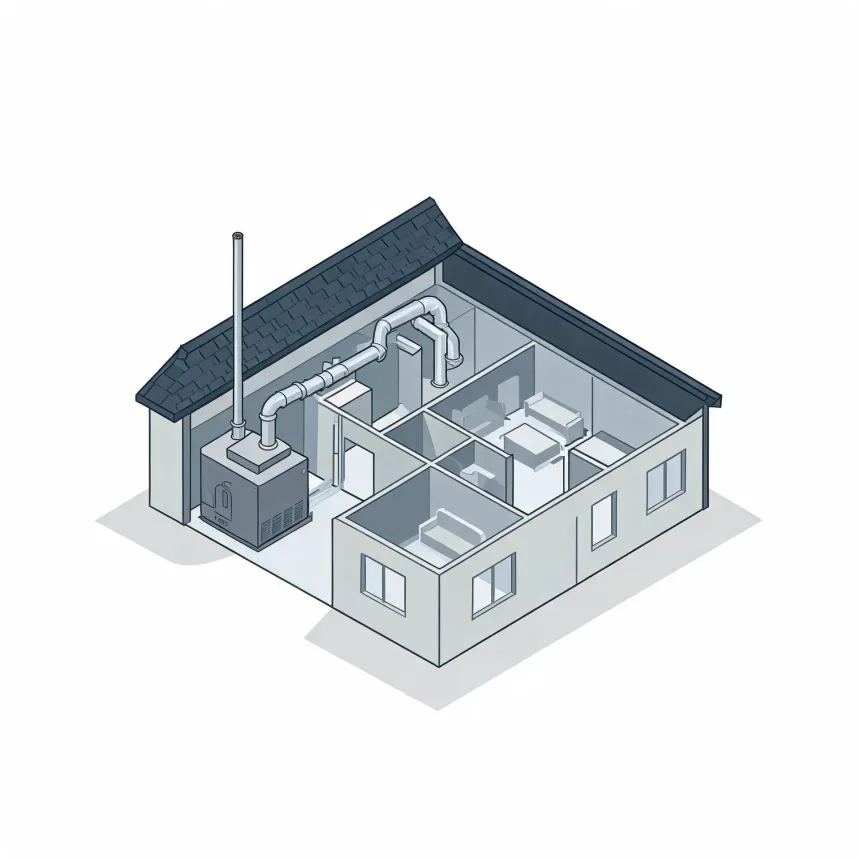
Isometric grayscale illustration of a cutaway single-story house showing interior rooms with furniture, plus an exterior furnace unit with a tall flue pipe and ducting running into the attic space.
Your furnace works hardest from November through March.

NOAA nClimDiv, 1991–2020 normals

Fayette County logged 27 winter storms with heavy snow or ice between 2015 and 2024.

A furnace that starts reliably after a cold snap or a power blip matters more here than one with extra capacity you won't use.

A standard furnace, sized right, handles Fayette County winters

Heat runs October through May
Winter nights average 22°F
27 winter storms from 2015 to 2024
Get it done before OctoberHomes here start running heat in October and keep it running through May.

The old furnace gets disconnected from the gas line, the vent and the ductwork, then carried out. If it's a gas furnace, the contractor caps the line and makes sure the old vent isn't left open to the house. Most contractors will haul the unit away as part of the job, so ask whether that's included before they start. There's no reason to keep it around once the new one is in, and no part of it gets reused. If the old furnace shared a vent with a water heater, the contractor needs to check that the water heater can still vent properly on its own, since venting rules change once the furnace is out of the picture.

The right size furnace, nothing more

A standard furnace, properly sized, is what this job calls for. Gas in Pennsylvania ran $13.12 per million Btu in 2024, and that cost doesn't change based on buying more furnace than the house needs. The right size for your home, installed well, is the thing to spend on.

Find a contractor
A man in a dark cap, dark shirt and tan work pants walks up wooden steps toward a blue front door, carrying a worn canvas tool bag in his right hand, with a potted shrub beside the entry.
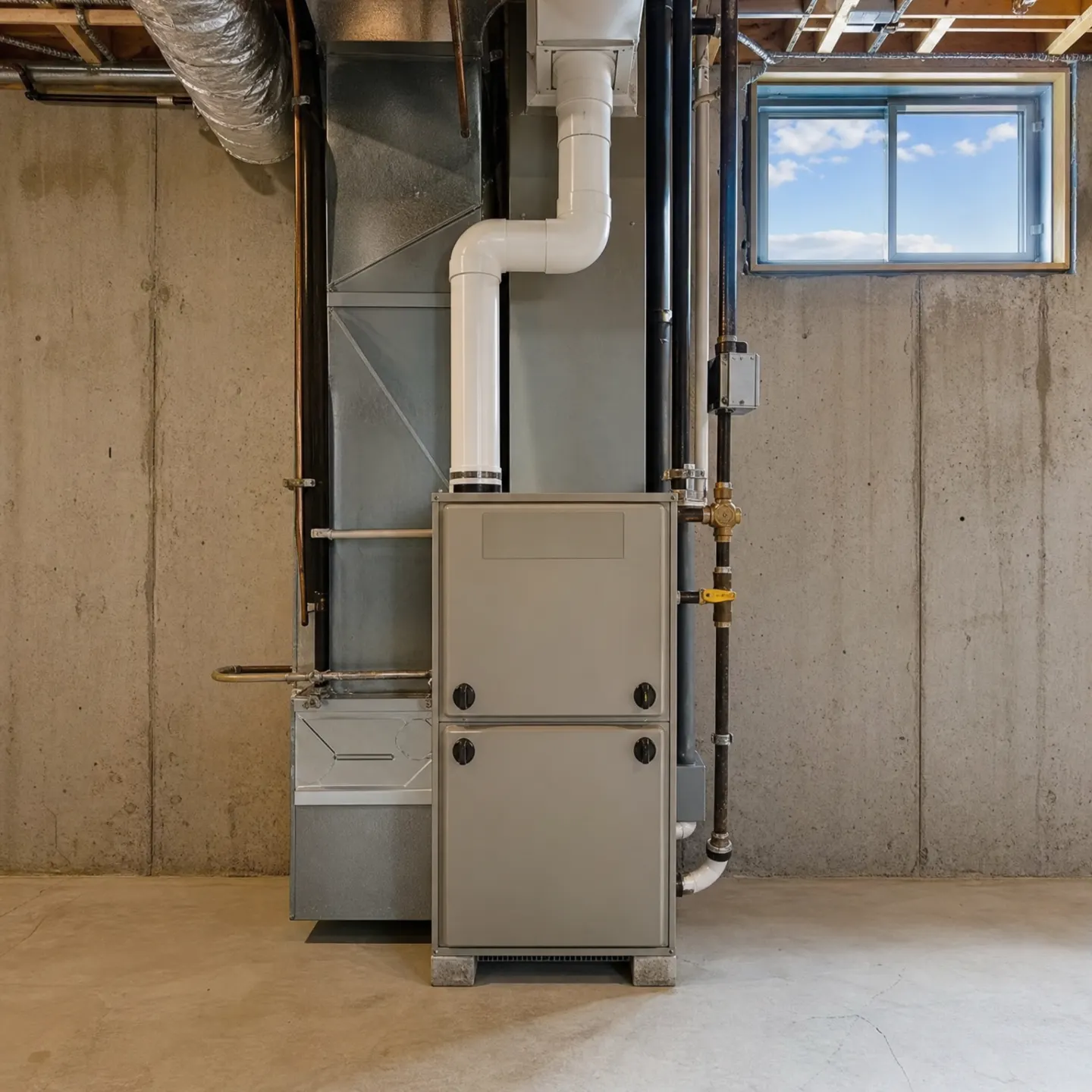
A gray gas furnace with attached ductwork and piping installed in an unfinished concrete basement.

Built for an older house, not a new one

Half the homes in Fayette County were built in 1959 or earlier. A house that old was built around the heating system it came with, and the ductwork may still be sized for that original furnace rather than whatever went in since. A new furnace has to work with the duct run and venting already in the house, not just replace the box in the corner. Worth asking your contractor to check that directly if your system came with the house.

Ask for a load calculation, not a guess

A furnace sized off the old unit or a quick look at square footage is a guess. A proper load calculation looks at insulation, window area and duct layout to find the right output for your house. Any contractor who skips straight to a quote without asking about these hasn't sized anything.

Ask what happens to the vent and the ductwork

A new furnace still has to push air through the ducts already in your walls and floor, and vent through whatever pipe or chimney is already there. If those weren't part of the conversation, the quote is only for the box, not the job. Get specifics on whether the existing ductwork and venting were inspected or just assumed to work.

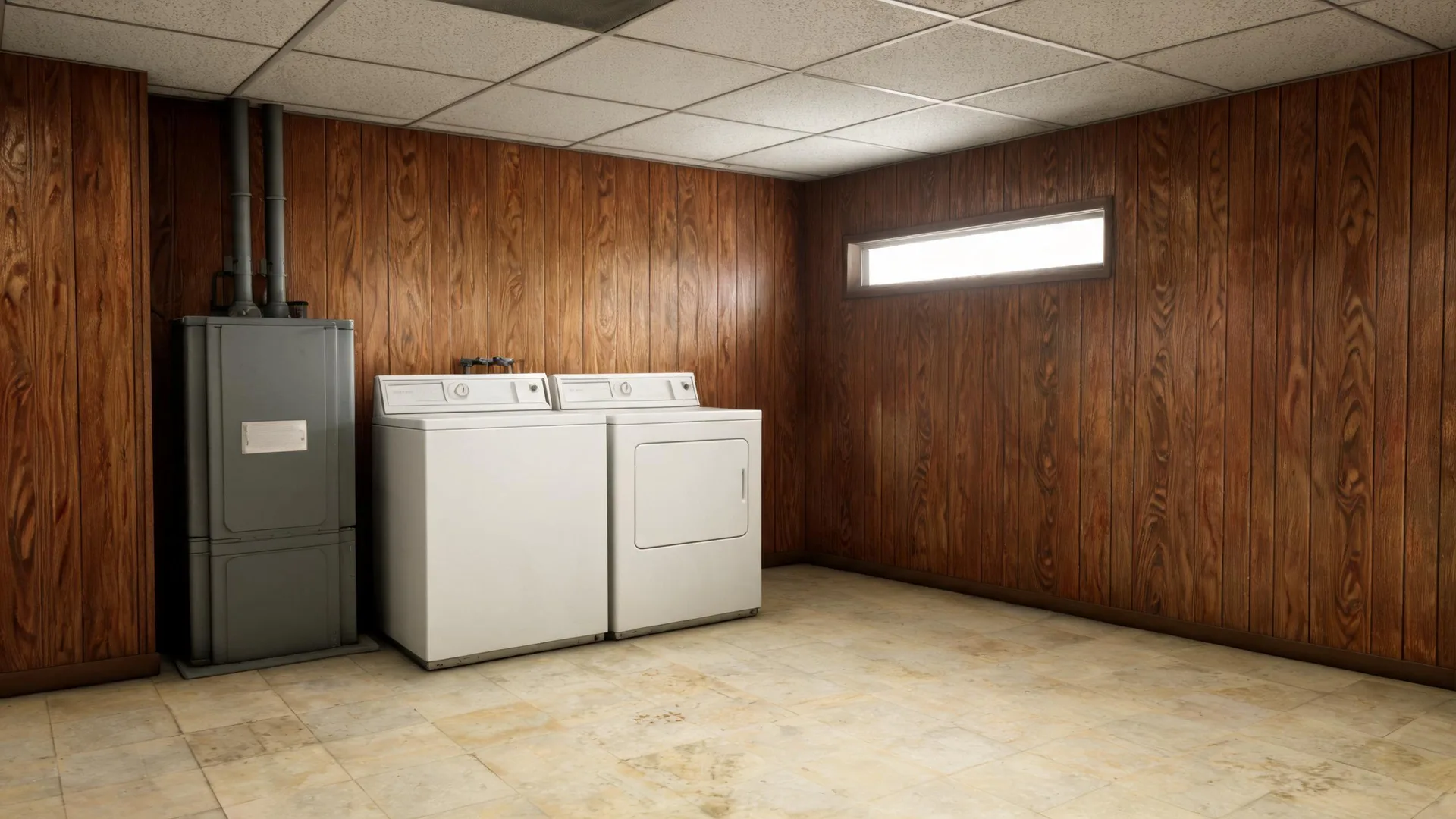
A gas furnace with sheet-metal ductwork and PVC pipes installed in an unfinished basement.

A high-efficiency gas furnace would save about $140 a year to run in Fayette County compared with a gas furnace.

  • A high-efficiency gas furnace$630 a year
  • A gas furnace$770 a year

Estimates for a typical Fayette County home, from EIA household energy data, Pennsylvania fuel prices and NOAA climate normals. Your home will differ.

Install day starts with the old furnace already gone or coming out first thing, and the new one set in place on its pad or stand. The contractor runs new gas and electrical connections rather than reusing the old ones, even if the hookups look fine, because fittings and connectors degrade and codes move on since the last install. The vent pipe gets connected next, sized and sloped the way that furnace needs it, not however the old one happened to sit. Then come the duct connections, the plenum where the furnace ties into your existing ductwork, sealed so air isn't leaking out before it reaches a single room. Once it's hooked up, the contractor runs it through a full cycle, checking gas pressure, airflow and the temperature rise across the furnace against what the manufacturer specifies. A furnace that passes that test is doing what it's supposed to do, not just turning on.