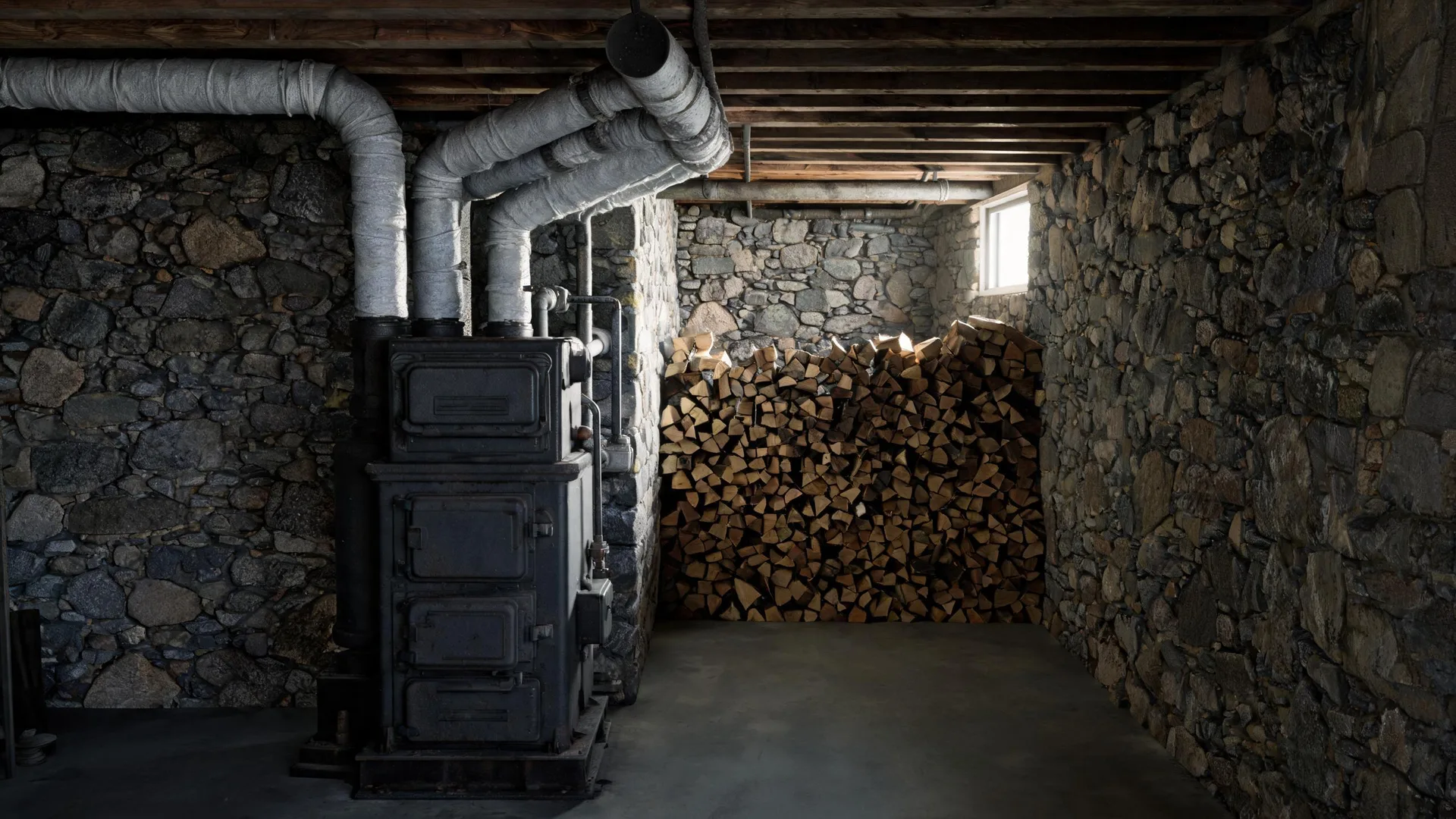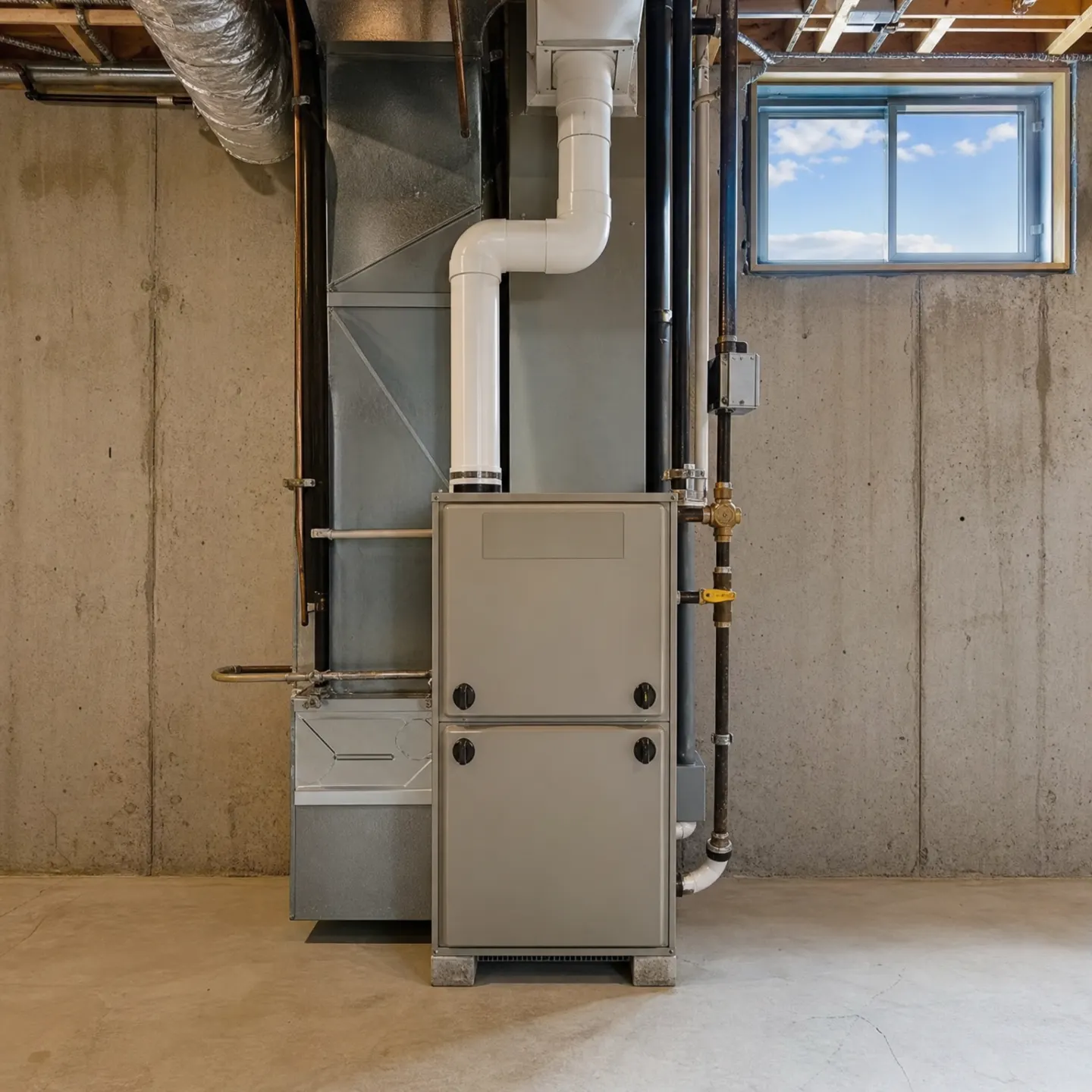
Half these homes were built in 1970 or earlier
Indiana County's housing stock is old. A furnace going into a house that age is going into ductwork and venting sized for a different time, not a blank slate.
Takes about a minute. No obligation.
Indiana County's housing stock is old. A furnace going into a house that age is going into ductwork and venting sized for a different time, not a blank slate.
A new furnace has to be sized and set up for the house it's actually going into, not swapped in as a like-for-like box. That's a bigger job than dropping in a replacement in a newer home.
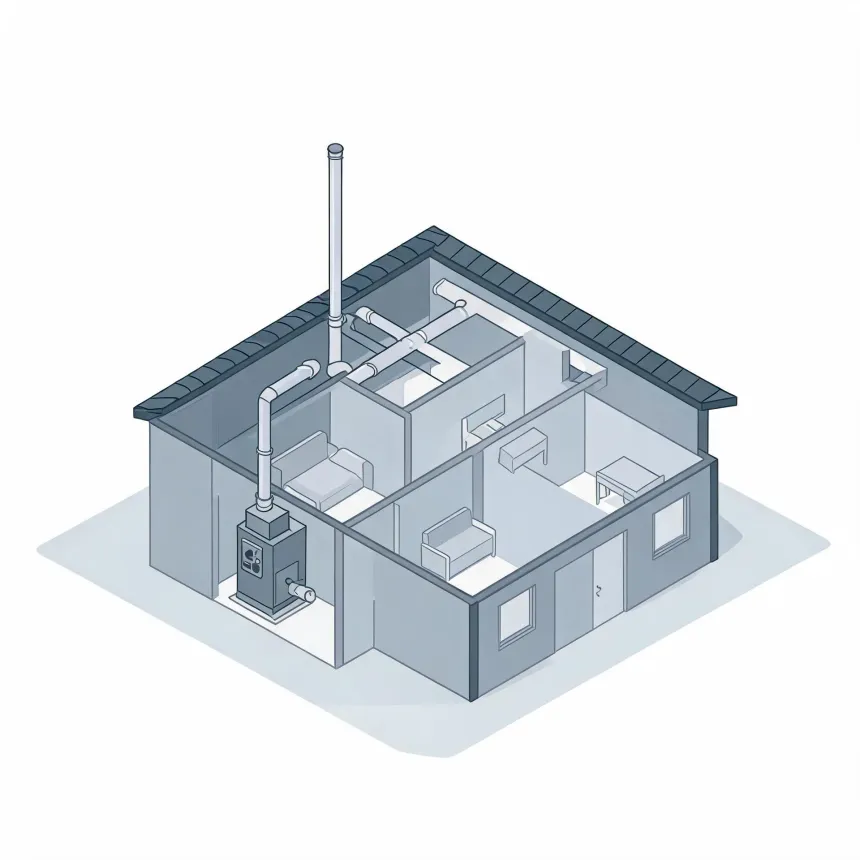
NOAA nClimDiv, 1991–2020 normals
A furnace in Indiana County runs eight months a year, October through May.
The new one needs to be sized for that kind of use, not just for the house's square footage.




Indiana County falls under zone 5A in the 2021 energy code, a cool, humid zone where the furnace is doing the heavy lifting most of the year. Any indoor gas furnace installed today has to turn at least 80 percent of the gas it burns into heat. That floor goes up to 95 percent for units manufactured on or after December 18, 2028. A furnace bought now and still running past that date was still built to the older standard, it just has to clear the bar in place when it was made. There's also a federal tax credit available for qualifying high-efficiency furnaces, worth asking a contractor about when comparing models.
An old furnace going into an old house gets matched to that house. A new one needs the same. Whoever installs it should size it and set up the venting for your ductwork, not just swap in a box that fits the space where the old one sat.
Find a contractor
Eight months of heat a year, October through May, means the blower and the heat exchanger are working most of the time this furnace spends installed. That kind of use calls for correct sizing, not a box that happens to fit where the old one sat. Too big and it short-cycles, turning on and off instead of running a steady stretch. Too small and it strains to keep the house warm on the coldest stretch of winter. Either way, parts wear faster than they would on a furnace running just a few months a year. Get the sizing right at installation and the furnace spends those eight months doing what it was built for.
A furnace gets sized by figuring how much heat a house actually loses through its walls, windows, attic and foundation, room by room. That calculation is what tells you the right output. Going by square footage alone, or by matching the number stamped on the old unit, skips the part where someone checks whether that number was ever right.
One sized too big for the house satisfies the thermostat fast and shuts off, then kicks back on a few minutes later. That start-stop pattern is harder on the heat exchanger and the igniter than a long, steady run. One sized too small just runs and runs trying to catch up, and the blower motor logs hours it shouldn't have to. Either mistake shortens the life of parts that are expensive to replace on their own.
Estimates for a typical Indiana County home, from EIA household energy data, Pennsylvania fuel prices and NOAA climate normals. Your home will differ.
Installation day starts with the old furnace coming out, along with the old venting if it's being replaced too. Whoever's doing the work should do a heat loss calculation before anything goes in, not after, since that number decides what size unit gets set in place. The new furnace gets set, connected to the gas line, and tied into the existing ductwork, with any transitions resized if the new unit's output calls for it. Venting gets run to match the furnace's exhaust needs, which isn't always the same setup the old furnace used. Once it's wired to the thermostat and the gas is on, the installer runs the system through a full cycle, checks the flue for proper draft, and tests the gas connections for leaks before signing off. The last step is combustion testing, where the technician checks that the furnace is burning cleanly and venting correctly, not just that it turns on.