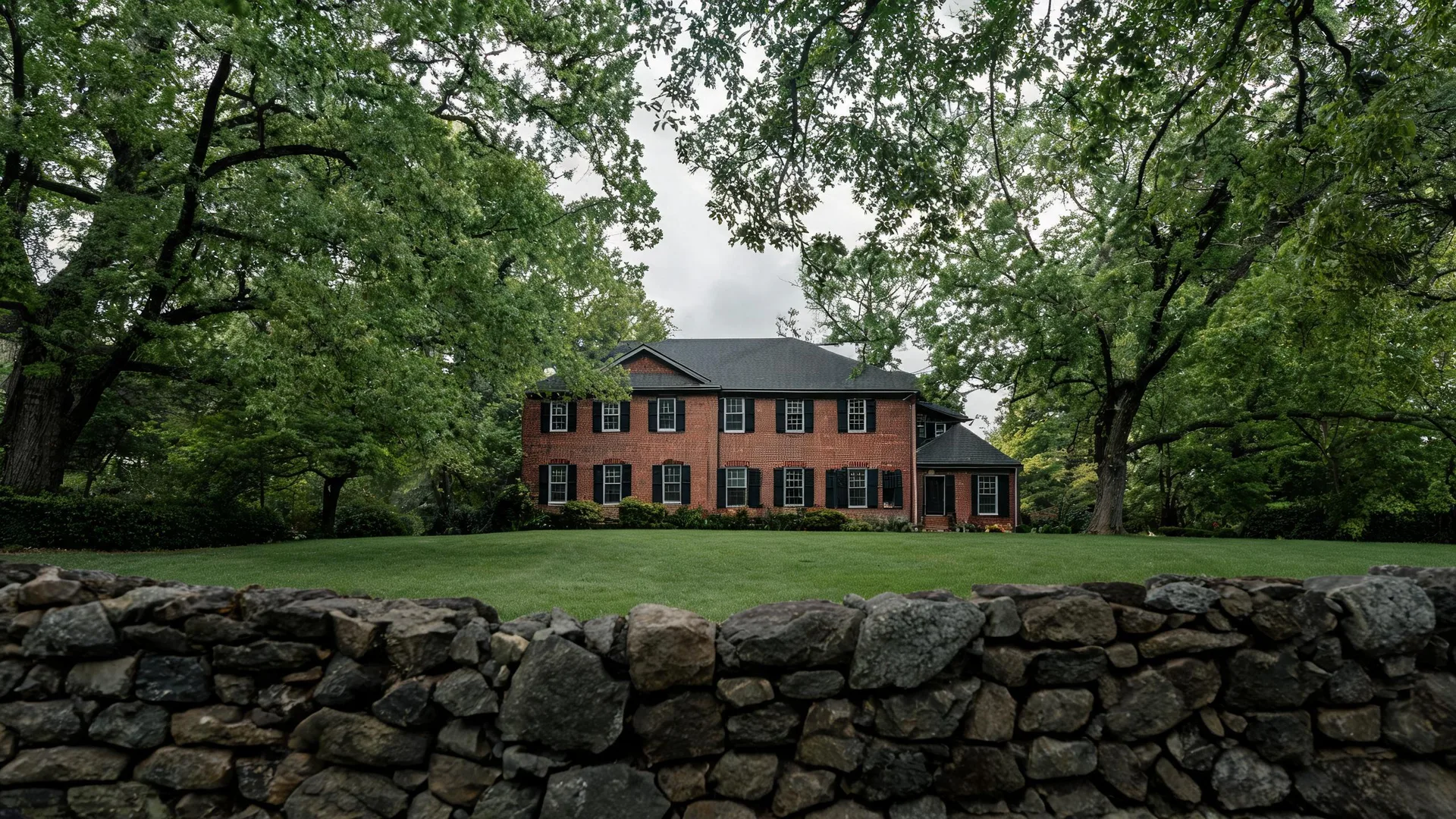
A two-story red brick house with black shutters and a dark roof stands behind a mowed lawn framed by large deciduous trees, viewed over a dry-stacked stone wall in the foreground under an overcast sky.

Furnace Repair in Johnstown, PA

Tell us about the job

Takes about a minute. No obligation.

Step 1 of 3: Equipment

Half the furnaces here sit in older houses

Half the homes in Cambria County were built in 1956 or earlier. A furnace in a house that old has usually been swapped out at least once already, and the one in there now may be closer to the end than you think.

What that means for a repair call

An older furnace that's starting to act up is worth a second look before you pay for a major repair. The question isn't just what's wrong with it today, it's how many years of service are actually left to get out of it.

8 months
October through May, your furnace is on duty
20°F
the average winter night it heats against
20 winter storms
in ten years, the nights a failure hurts most
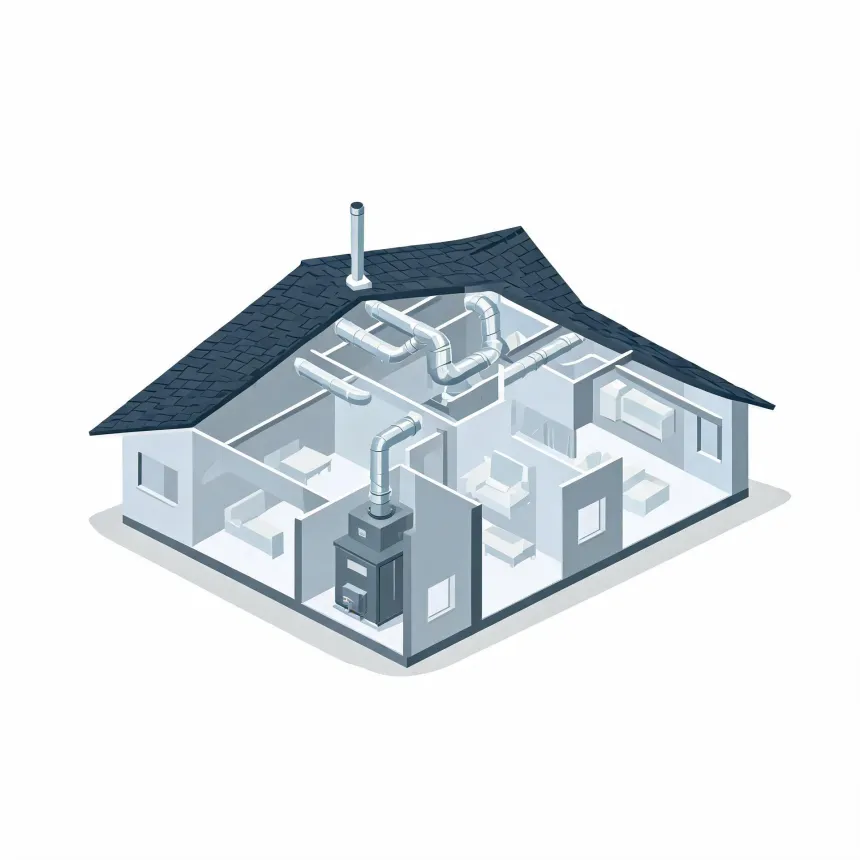
Isometric cutaway illustration of a single-story house showing interior rooms with furniture, a metal ductwork network, and a furnace unit connected to a vertical flue through the dark shingled roof.
Your furnace works hardest from November through March.

NOAA nClimDiv, 1991–2020 normals

A cracked heat exchanger can leak exhaust into the air your furnace is pushing through the house.

Shutting it down the moment you smell something off is safer than waiting for a repair appointment.

Eight months of heat a year wears a furnace down faster

Heat runs October through May
Winter nights average 20°F
Climate zone 5A

October is when most furnaces here get tested for the first time since spring. A furnace that sat fine all through September can start tripping on its first real cold snap, because the weak part finally has a full load to carry. That's why repair calls cluster in the first few weeks of heating season, not in the dead of January. If yours is already acting up before the cold really sets in, that's worth paying attention to now rather than waiting to see if it gets worse. Getting it looked at before the eight-month stretch from October through May is a better bet than catching it mid-January, when the furnace is running nonstop and a tech has a longer list of calls ahead of yours.

Have it checked before it has to run the next eight months

Eight months of heat a year doesn't leave much room for a part to fail quietly. Get the furnace diagnosed now, so whatever's wearing out gets fixed before it has to carry a full winter.

Find a contractor
A man in a cap, gray long-sleeve shirt and tan work pants carries a canvas tool bag up gray porch steps toward a dark blue front door, with a blue ceramic planter and shrub beside it.
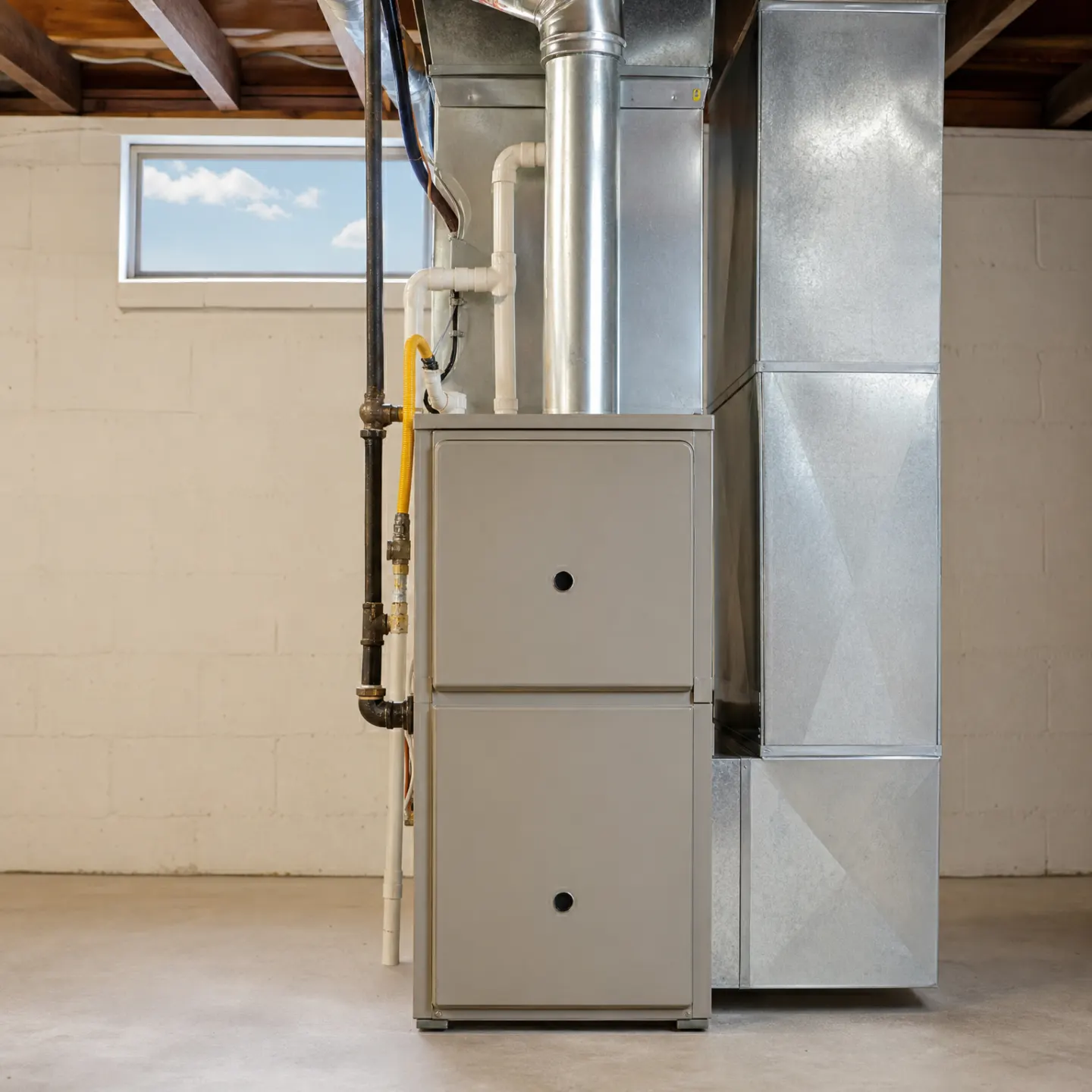
A gas furnace with attached ductwork, gas piping, and condensate lines installed in a concrete-block basement.

What actually wears out inside a furnace

Most furnace failures start with one part, not the whole machine. The igniter is the one that gives out most often. It heats up to light the burners every single cycle, and that filament gets more brittle each time it fires. Eventually it cracks and the furnace won't light at all. The flame sensor fails a different way. It coats over with a thin layer of residue after enough cycles, and once it can't see the flame, the furnace shuts itself down as a safety measure, even though nothing else is wrong. A dirty flame sensor is often mistaken for something worse. Blower motors wear out from the bearings down. They run longer hours than almost anything else in the house, and a bearing that's starting to go will usually squeal or grind before it seizes completely. The draft inducer motor fails the same way, from age and runtime rather than from one bad event. None of these parts usually fail because of a single hard winter. They fail because they've opened and closed, heated and cooled, spun and stopped, more times than they were built to handle.

What a bad run looks like

A furnace that short cycles, turning on and off every few minutes instead of running a full heat cycle, usually has a restricted filter, a cracked heat exchanger tripping a safety switch, or a flame sensor that's losing the signal partway through. Cold air coming out of the vents before the burners catch means the blower is starting before the heat exchanger is warm, which points to a delay or control board issue rather than the blower itself. A furnace that runs constantly without hitting the thermostat setting is often struggling with a dying blower or a heat exchanger that can't transfer heat the way it used to.

What's worth a same-day call

A burner flame that's flickering yellow or orange instead of steady blue means combustion isn't complete, and that's not a wait-and-see problem. Soot around the burner compartment or a sharp, acrid smell points the same direction. Loud bangs at startup usually mean gas is pooling before it lights and igniting all at once, which stresses the heat exchanger every time it happens. Any of these call for shutting the furnace down and getting it looked at before running it again, not scheduling around convenience.

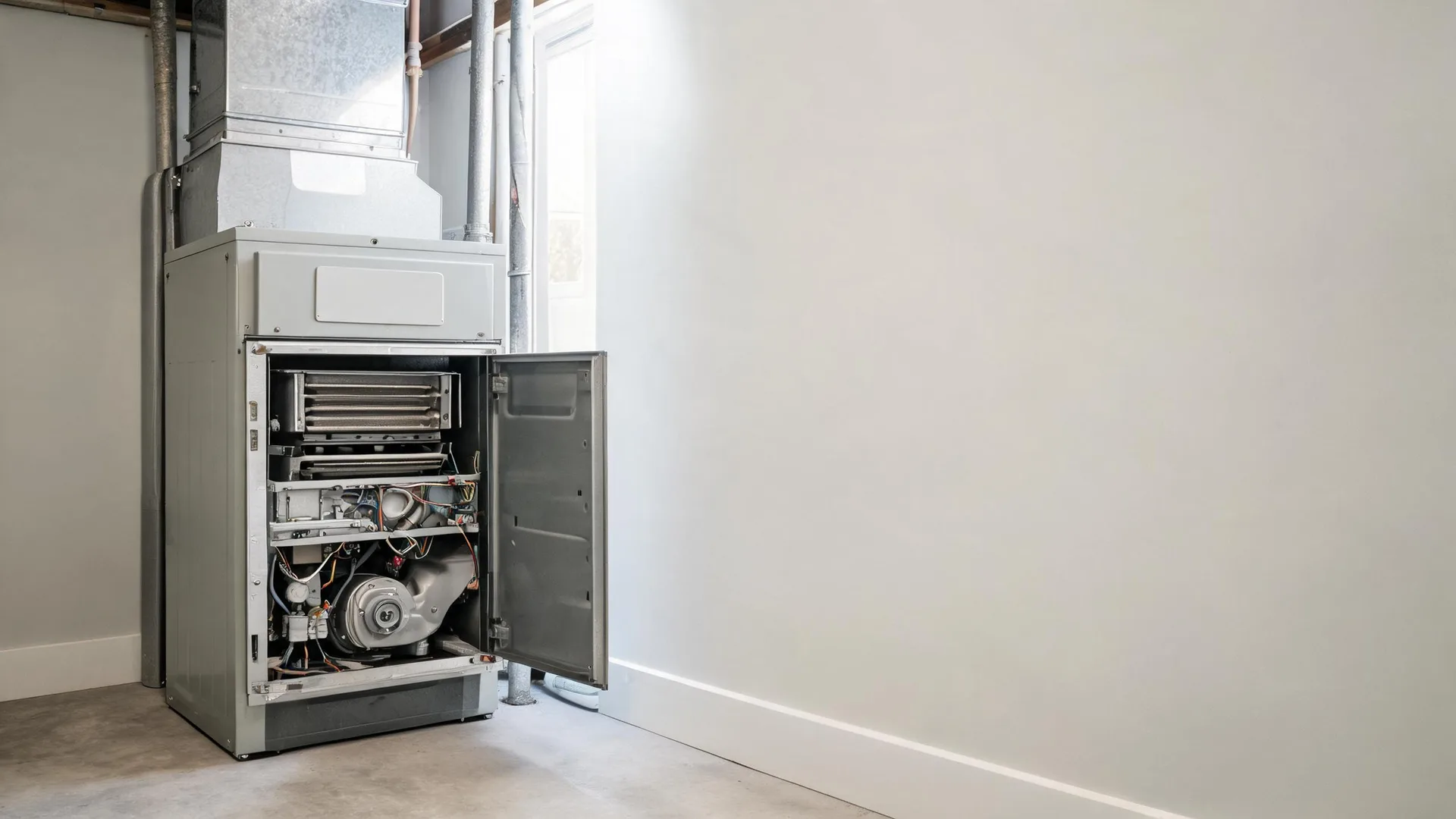
A gray forced-air furnace with sheet-metal ductwork stands in an unfinished basement with exposed wooden joists, concrete walls, and a hanging incandescent bulb.

A new furnace would cut about $170 a year off heating for a typical Cambria County home.

  • A new high-efficiency furnace$720 a year
  • An older furnace$890 a year

Estimates for a typical Cambria County home, compared with an older unit built to the previous federal minimum, from EIA household energy data, Pennsylvania fuel prices and NOAA climate normals. Your home will differ.

Repair makes sense when one part has failed and the heat exchanger is sound.

Replacement makes sense when the heat exchanger is cracked or the furnace keeps needing parts.

A tech weighing repair against replacement is really asking how many more parts are likely to fail after this one. A furnace that's needed one or two small fixes over its life and is otherwise running clean is usually worth repairing again. One that's had a blower motor replaced, then a control board, then shows up with a cracked heat exchanger is telling you something different. The heat exchanger especially changes the math, because it's expensive enough on its own that pairing it with an old furnace rarely makes sense. Age matters less than pattern. A furnace that fails once a year for different reasons is wearing out as a system, not unlucky part by part.