



An unfinished basement featuring exposed ceiling joists, a metal HVAC unit with round ductwork, a hanging light bulb, and scattered boxes and debris along the left wall.

Furnace Repair in Altoona, PA

Tell us about the job

Takes about a minute. No obligation.

Step 1 of 3: Equipment

September is worth paying attention to here. Heat in Blair County kicks on in October and runs all the way through May, eight months straight, and the first cold snap is what exposes a part that was already on its way out. A furnace that sat quiet since spring can idle through a mild stretch without showing anything wrong, then trip on the hard start to winter. That's usually not a sign the system is overworked by anything unusual here. It's just the first real test of the season finding the weak spot. Getting it looked at before you're deep into the cold months means a small fix instead of a night without heat.

8 months
October through May, your furnace is on duty
21°F
the average winter night it heats against
57%
of homes here heat with gas, so most furnaces here burn gas
18 winter storms
in ten years, the nights a failure hurts most
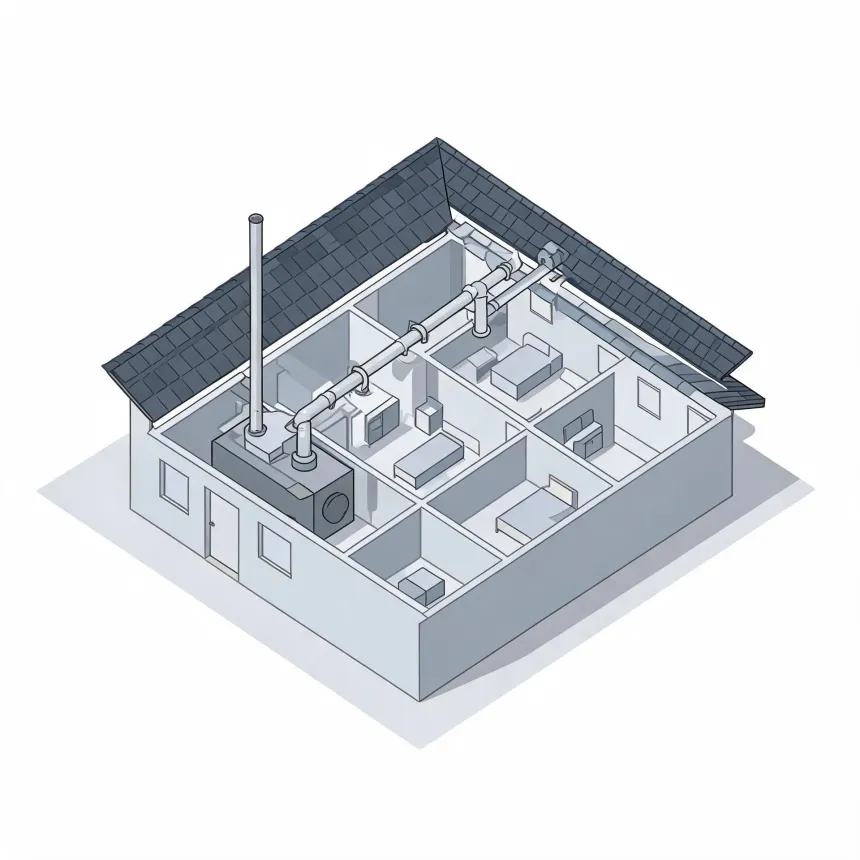
Isometric cutaway illustration of a single-story house showing interior rooms, furniture, a dark furnace unit with a tall vertical flue pipe, and ductwork running under the pitched shingle roof.
Your furnace works hardest from November through March.

NOAA nClimDiv, 1991–2020 normals

Eight months of heat a year is normal wear, not abuse.

So when a furnace in Altoona fails, it's almost always one worn part, not a system in over its head.

Nothing about Altoona pushes a furnace harder than normal. It just gets cold enough to find the weak part.

Heat runs October through May
Winter nights average 21°F
Climate zone 5A

Half the homes in Blair County were built in 1957 or earlier. A furnace that came with a house that age has likely been replaced at least once already, maybe more than once. If yours is original to a newer addition or a remodel, that math doesn't apply to you, and the age of the house tells you nothing about the age of the furnace in it. But if your furnace is the same one that's always been there, it's worth finding out how old it actually is. A repair that makes sense on a five-year-old unit can be money thrown at one that's already near the end.

Find out how old your furnace is before you pay for the repair

A technician who comes out for the repair can tell you how old the furnace actually is and what kind of shape it's in. That one answer tells you whether this repair is worth paying for or whether the money's better put toward a new unit.

Find a contractor
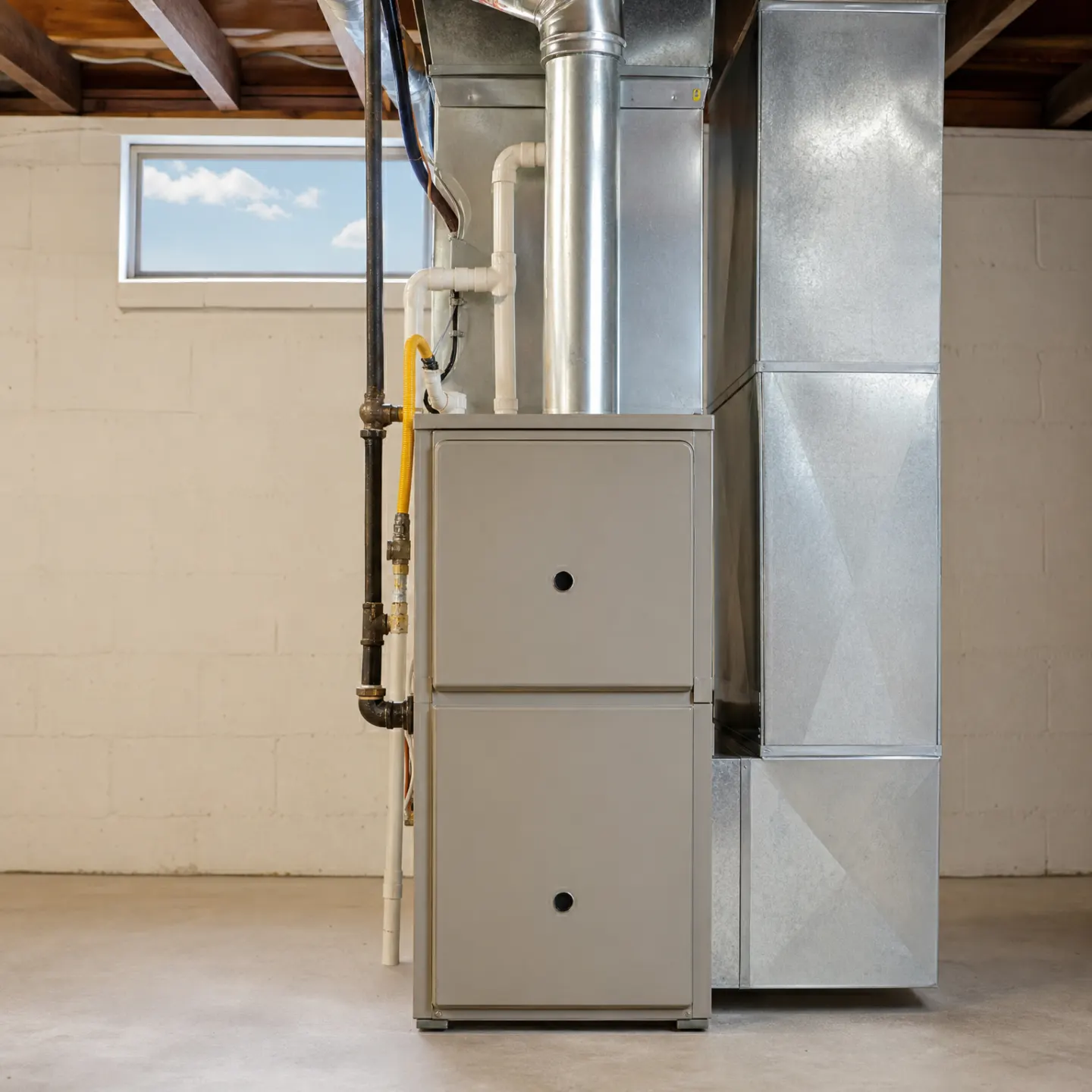
A gas furnace with attached ductwork, gas piping, and condensate lines installed in a concrete-block basement.

What to check before you pick up the phone

Before you call, flip the switch off and back on, the one that looks like a light switch near the furnace. That resets the control board. Check the filter. If you can't see light through it, that alone can cause a shutdown or a short cycle. Look at the thermostat and make sure it's set to heat and the batteries aren't dead. If you have a standing pilot, see if it's lit. If the furnace uses an igniter instead, you won't be able to check that part yourself, but you can listen for it trying to start and failing. Check that the furnace door is seated all the way, most furnaces have a safety switch that won't let it run if the panel isn't on tight. Look at the vent pipe outside where it exits the house and make sure nothing is blocking it, no snow, no debris. None of this is dangerous and none of it voids anything. If the furnace still won't run after that, you've at least ruled out the easy stuff before anyone comes out.

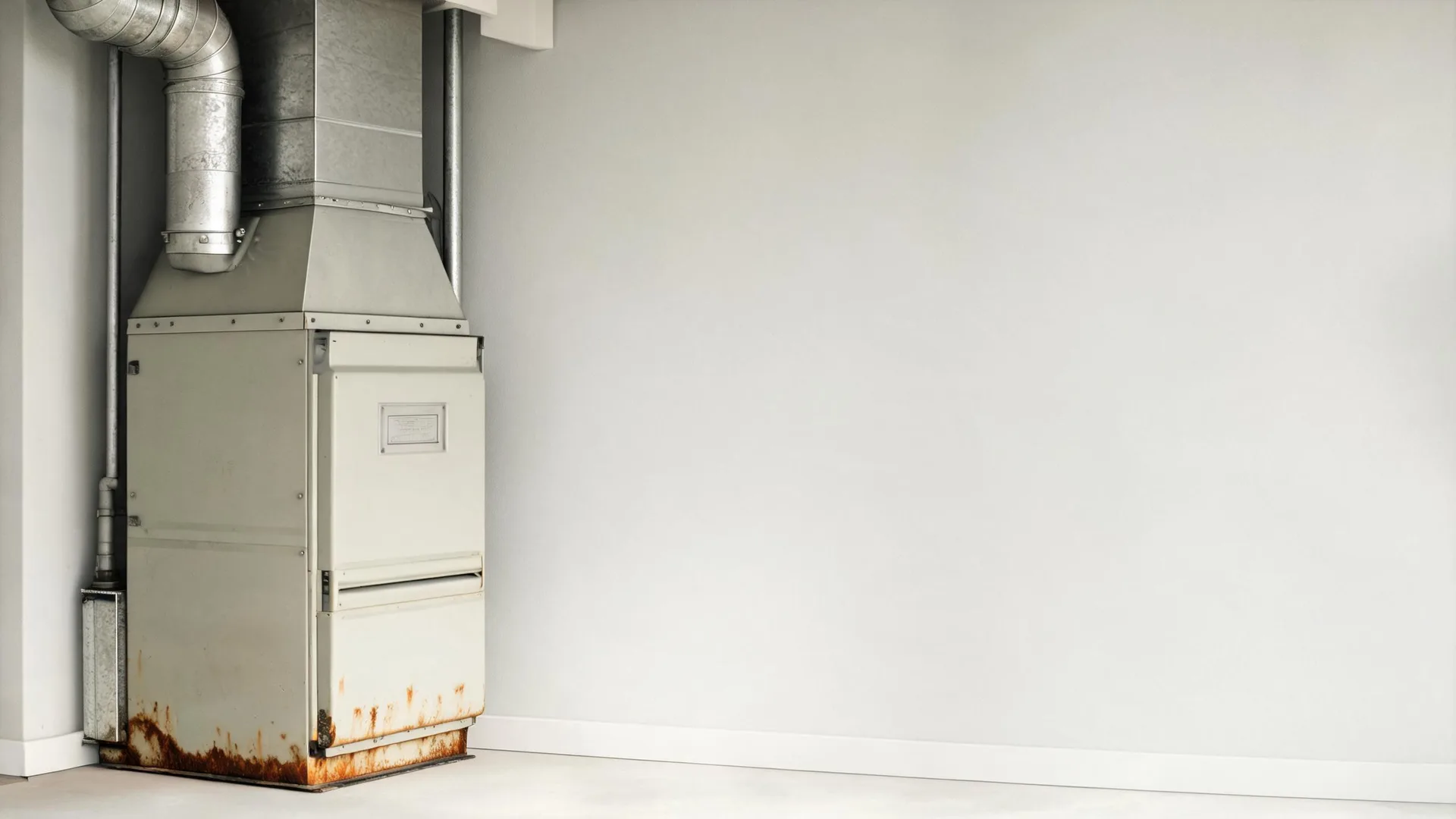
A crack doesn't stay the size it started

A cracked heat exchanger usually starts small, a faint smell or a tick as the metal heats and expands. Run the furnace through more cycles and the crack opens wider. At some point the blower can start pulling exhaust into the duct instead of pushing it out the vent pipe, and that's when the furnace needs to be shut down, not repaired.
One bad part makes the others work to fail

A dirty flame sensor or a weak igniter makes the burner try to light and fail, so the furnace shuts off and starts again instead of running a full cycle. The blower motor and control board go through that same start and stop every time, with no heat to show for it. The longer the real problem sits, the more the parts around it wear down doing work that never finishes.

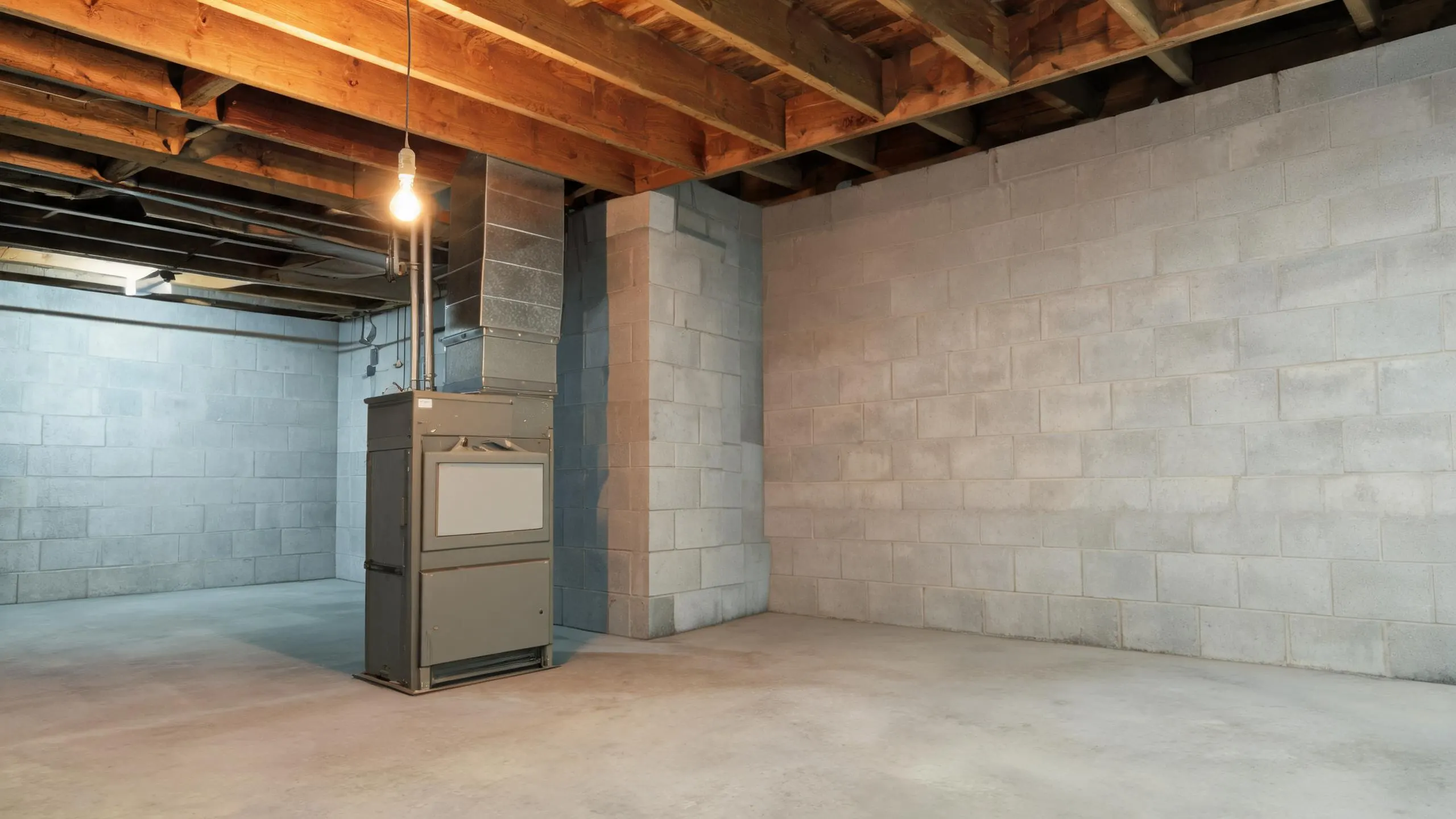
An unfinished basement featuring concrete block walls, exposed floor joists, and a metal forced-air furnace with ductwork near a central pillar.

A new furnace would cut about $170 a year off heating for a typical Blair County home.

  • A new high-efficiency furnace$660 a year
  • An older furnace$830 a year

Estimates for a typical Blair County home, compared with an older unit built to the previous federal minimum, from EIA household energy data, Pennsylvania fuel prices and NOAA climate normals. Your home will differ.

Repair makes sense when one part has failed and the heat exchanger is sound.

Replacement makes sense when the heat exchanger is cracked or the furnace keeps needing parts.

A repair decision usually comes down to what failed, not just how old the furnace is. A blower motor, a capacitor, an igniter, a flame sensor, these are parts that wear out on their own and get swapped out without touching anything else. The furnace runs the same once it's back together. A heat exchanger is different. That's the part the whole furnace is built around, and replacing it costs most of what a new furnace costs, so a tech will usually tell you straight that it's not worth doing. The other thing worth asking is whether this is the first repair this furnace has needed or the third one in a couple years. One worn part is normal wear. A pattern of them is the furnace telling you it's done being reliable, even if each individual fix looks cheap enough on its own.