Nine months of runtime
A furnace in Lackawanna County runs from September through May. That is most of the year, not a few cold snaps, and the burner and blower see that kind of use every one of those months.
Takes about a minute. No obligation.
A furnace in Lackawanna County runs from September through May. That is most of the year, not a few cold snaps, and the burner and blower see that kind of use every one of those months.
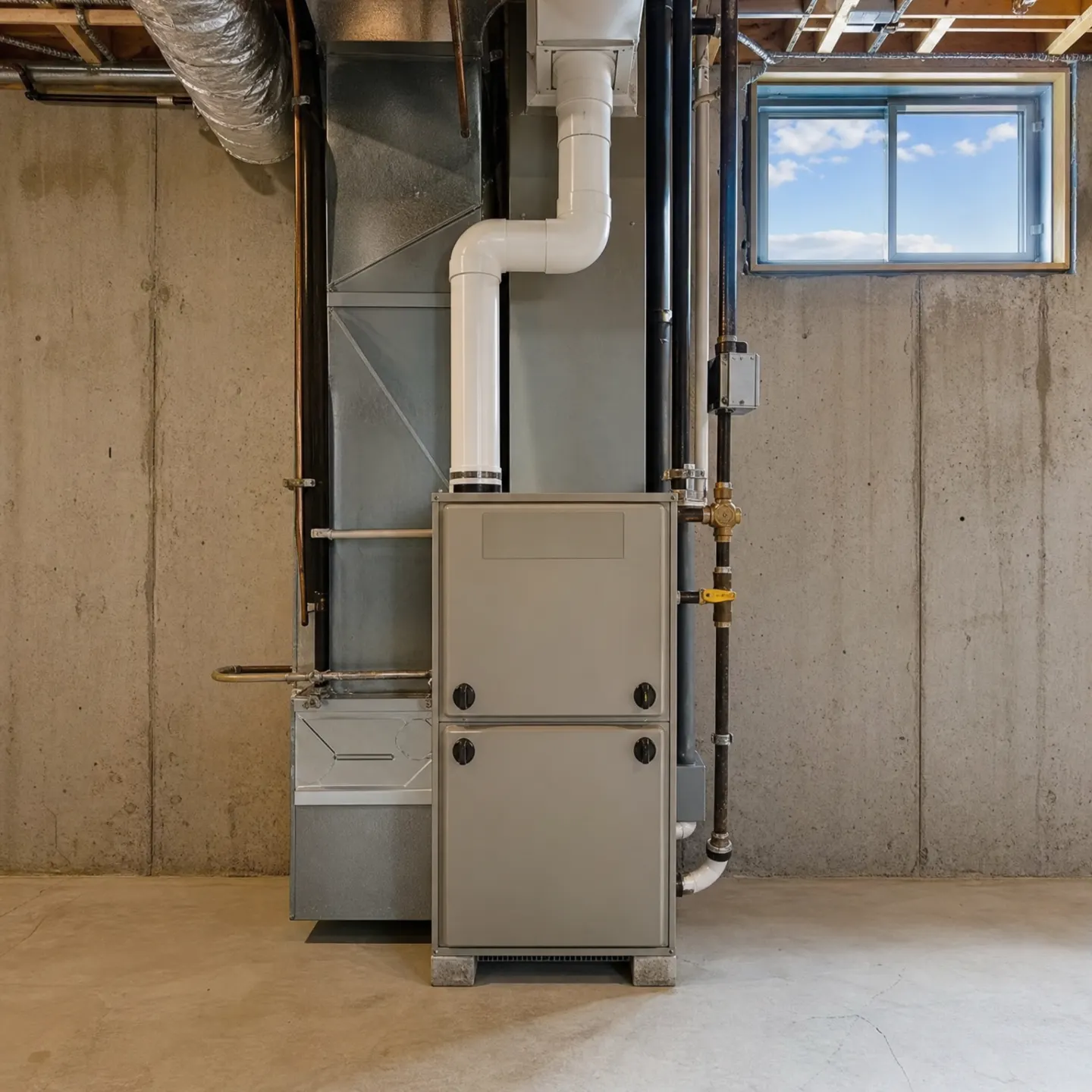
A furnace running nine months a year needs to be sized for this house, not picked off a price list. The wrong size cycles too much or runs too long, and either way it wears faster than it should.
NOAA nClimDiv, 1991–2020 normals
Half the homes in Lackawanna County were built in 1955 or earlier.
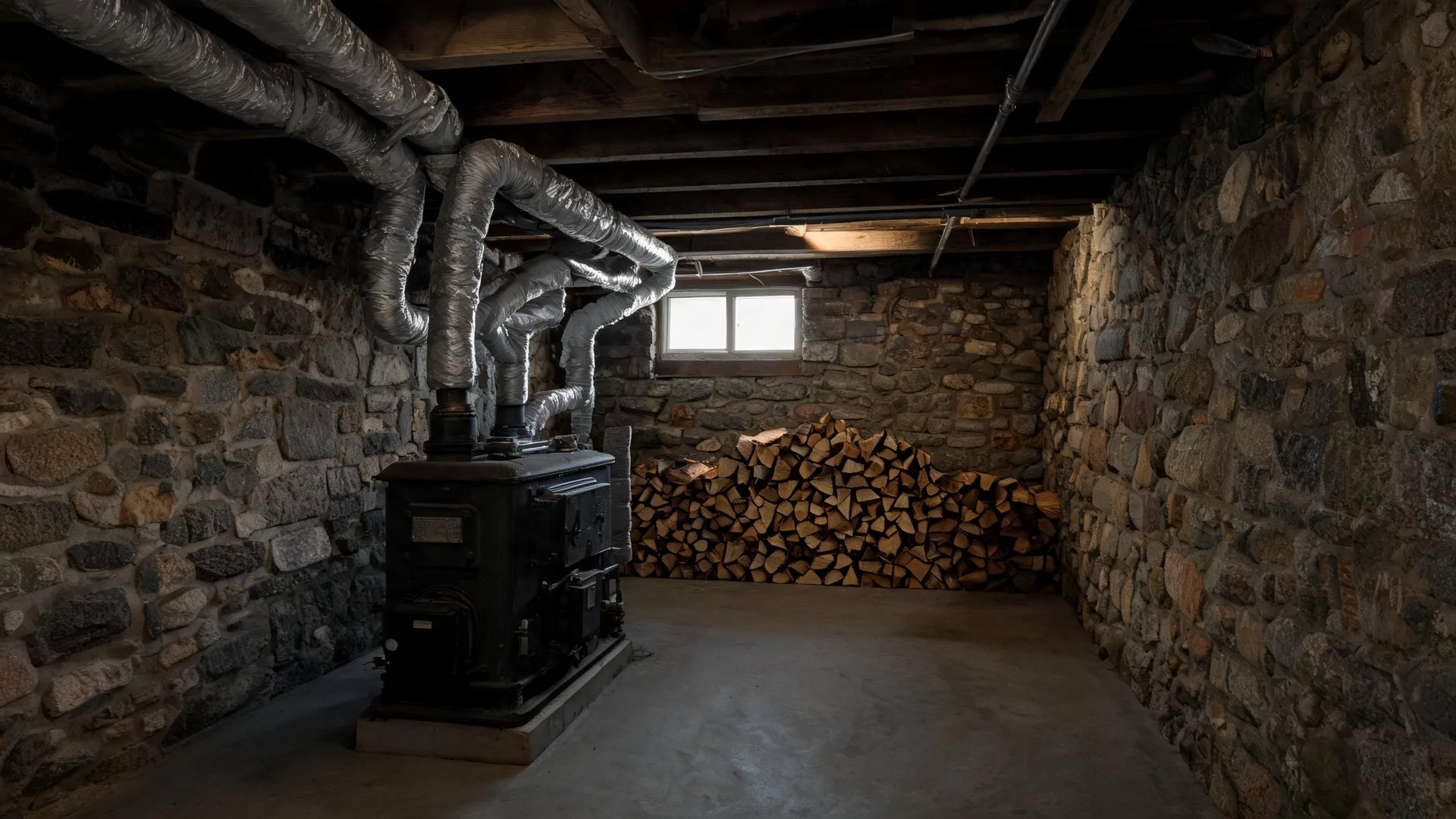
A furnace going into a house that old has to match the ductwork and venting already there, not a generic spec sheet.



Natural gas ran $13.12 per million Btu in Pennsylvania in 2024, and that is the fuel most furnaces here burn all winter. A furnace that runs this much of the year turns a gas price like that into a real line on the bill, month after month, not once. An efficient furnace burns less gas to put out the same heat, so a higher efficiency rating is worth more here than it would be somewhere the furnace barely runs. That gap between a mid-efficiency unit and a high-efficiency one doesn't average out over a hard winter. It shows up on every bill instead.
Half the homes here were built in 1955 or earlier. A furnace going into one of those houses has to be matched to the ductwork and venting already in place, not ordered off a spec sheet. That match is part of the install itself.
Find a contractor
Nine months of heat a year means this furnace earns its keep from the day it goes in. A unit sized and installed right holds up through that stretch. One that is rushed in or oversized for the house starts showing problems well before it should. Pick the install for the long run here, not just the first winter.
A contractor should measure the house room by room before naming a furnace size, checking windows, insulation and layout against each other. A quote based on square footage alone, or on matching the size of the old unit, skips that work. The old furnace may have been wrong for the house too.
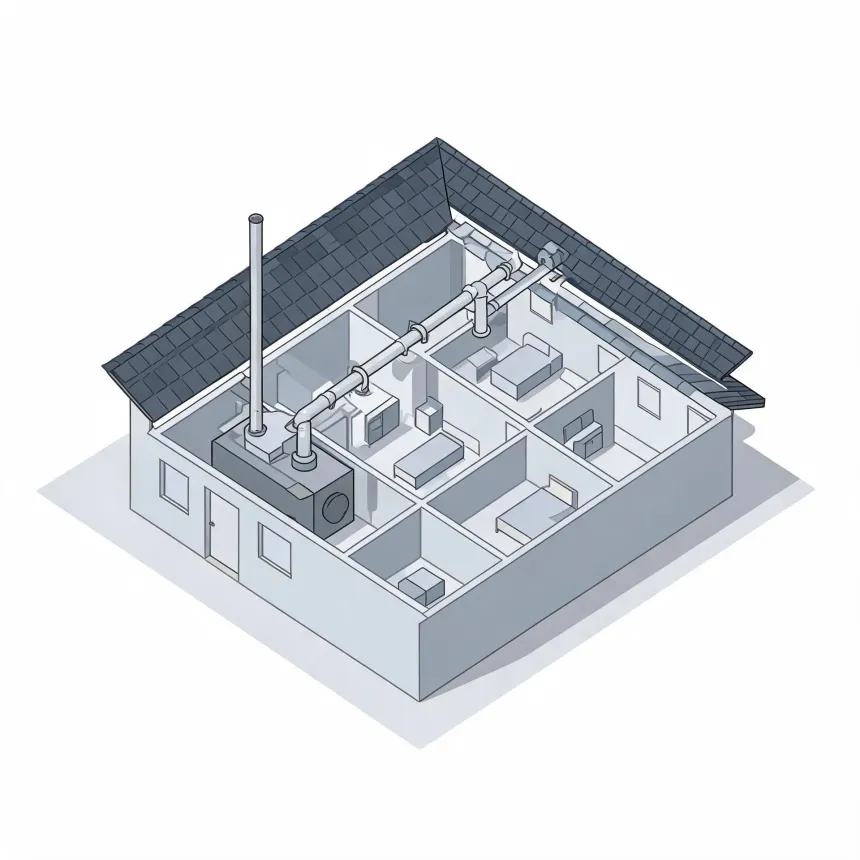
A new furnace doesn't always use the existing vent pipe or gas connection the same way the old one did. Efficiency ratings change how exhaust is handled, and a higher-efficiency unit can need a different venting setup entirely. Find out before install day what gets reused and what gets replaced.
Estimates for a typical Lackawanna County home, from EIA household energy data, Pennsylvania fuel prices and NOAA climate normals. Your home will differ.
Install day starts with the old furnace coming out, not the new one going in. The contractor disconnects the gas line, the vent pipe and the ductwork boot before anything new gets set in place. That old unit has to come out whole or in pieces before the new one can even be positioned. Once the new furnace is set, the work is mostly connections: gas line, vent, return air and supply plenum, then the electrical for the blower and controls. After that comes startup and testing, checking gas pressure, airflow and the rise in temperature across the heat exchanger, not just lighting it and walking away. A furnace that gets fired up without that testing can run, but running isn't the same as running right.