Heat pump vs furnace in Lackawanna County, Pennsylvania

Start My Quote

For homes in Lackawanna County

Which costs less to run in Lackawanna County?

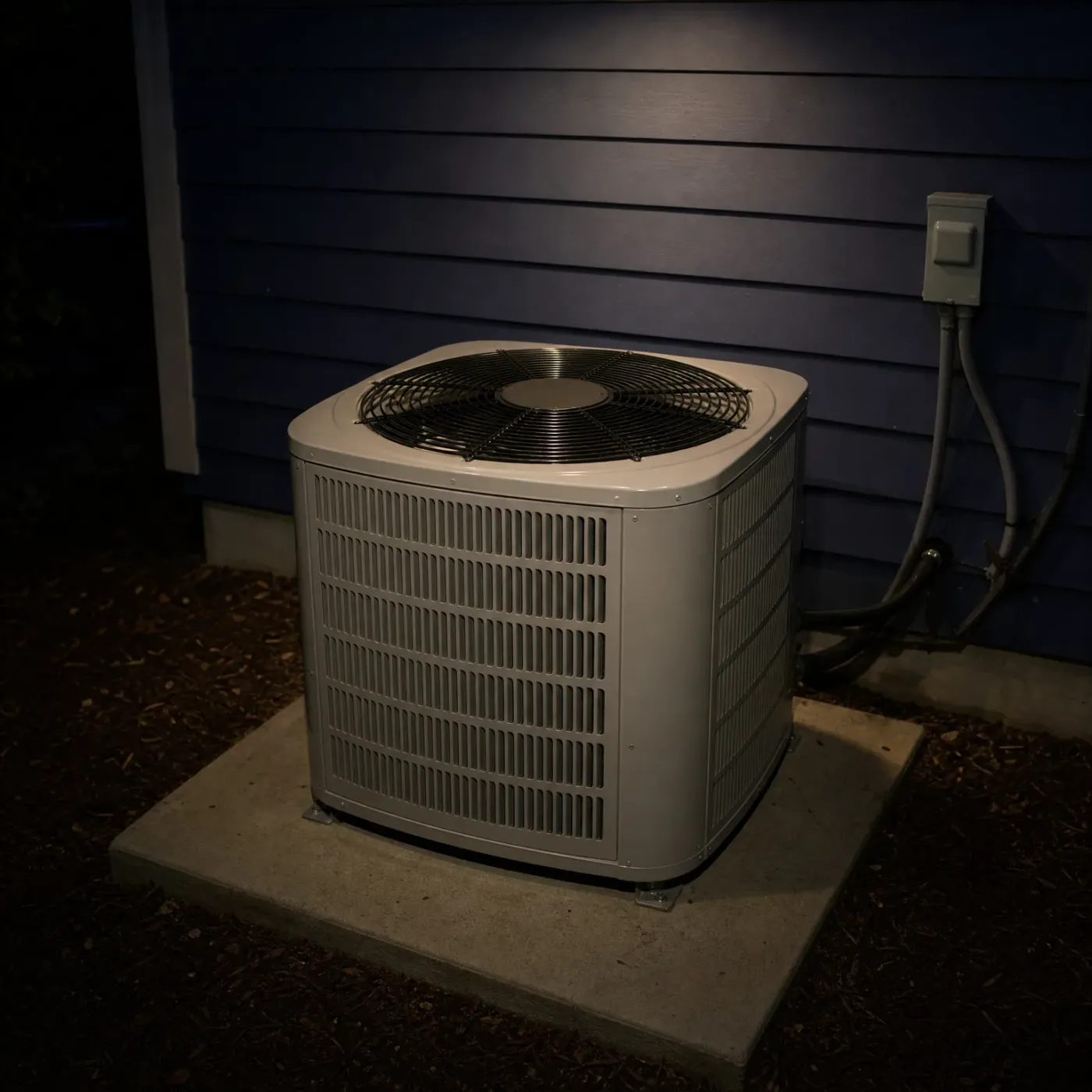
A beige outdoor condenser unit with a top fan grille sits on a concrete pad beside a dark blue horizontal-siding wall at night, with a wall-mounted disconnect box and conduit to the right.

Heat pump

To heat your home here$2.37per 100,000 Btu

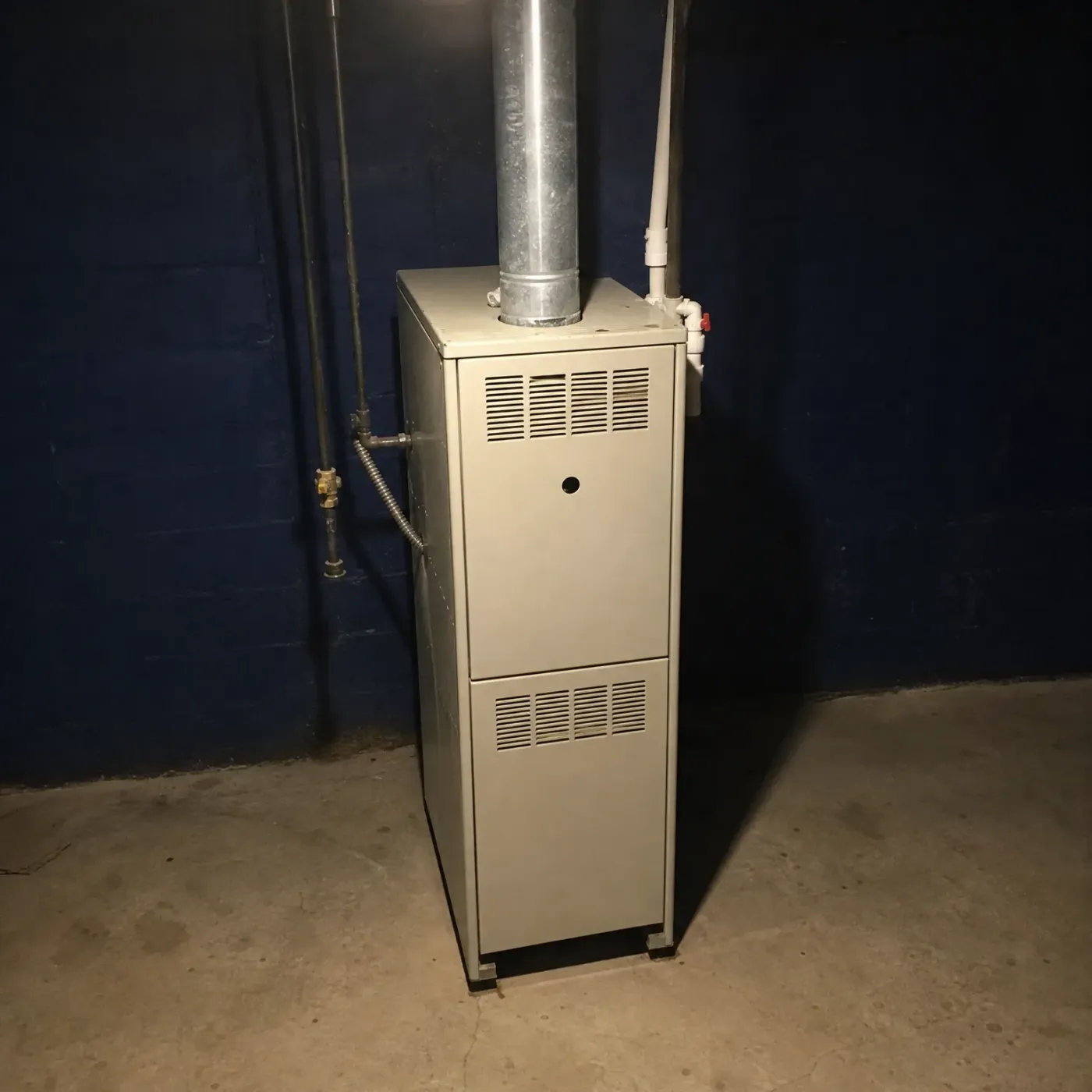
A beige sheet-metal furnace with louvered panels stands against a blue-painted concrete block basement wall, with a metal flue pipe rising from its top and pipes along the wall.

Furnace

To heat your home here$1.64per 100,000 Btu

At Pennsylvania's gas and electricity prices, a gas furnace makes the same heat as a heat pump for at least 30% less.

Btu stands for British thermal unit, the standard measure of heat energy.

Where does a heat pump shine?

  • No gas line, nothing burning in the house

    There's no gas line to the unit and no flame anywhere in it. Carbon monoxide isn't part of the picture.

    A kitchen island with a pale stone countertop holding a black induction cooktop and a stainless steel whistling kettle, with navy blue cabinetry, white subway tile backsplash, a wooden open shelf with ceramics, a potted plant, woven-seat wooden stools, and a loaf of bread on a cutting board.
  • Steady, even comfort

    It eases up and down with the weather. There are fewer swings between too warm and too cool.

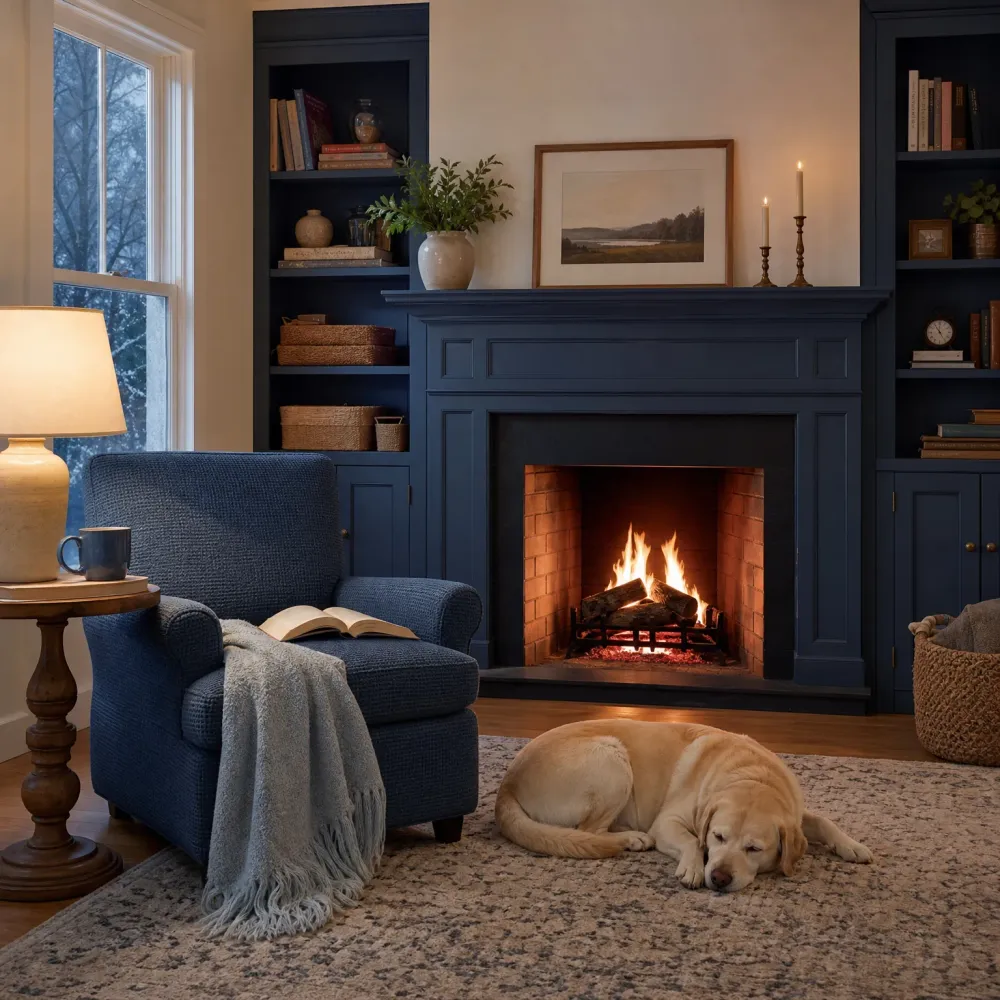
    Living room with a lit fireplace in a dark navy mantel and built-in shelves, a navy armchair with a gray throw and open book, a table lamp, and a yellow Labrador lying on a patterned rug.
  • Heats and cools in one system

    Winter and summer are covered by the same outdoor unit. That's one machine to service instead of two.

    A beige sofa with a navy cushion and light blue knit throw sits beside a large window overlooking a green garden, with a wooden coffee table holding a mug, bowl and vase of flowers, and navy built-in shelving with stone wall at right.

Where does a furnace shine?

  • Strong, steady heat in hard cold

    Winter nights here average 19°F, and a furnace burns gas to push out heat that stays hot the whole time it runs. You won't feel it tapering off as the temperature drops outside.

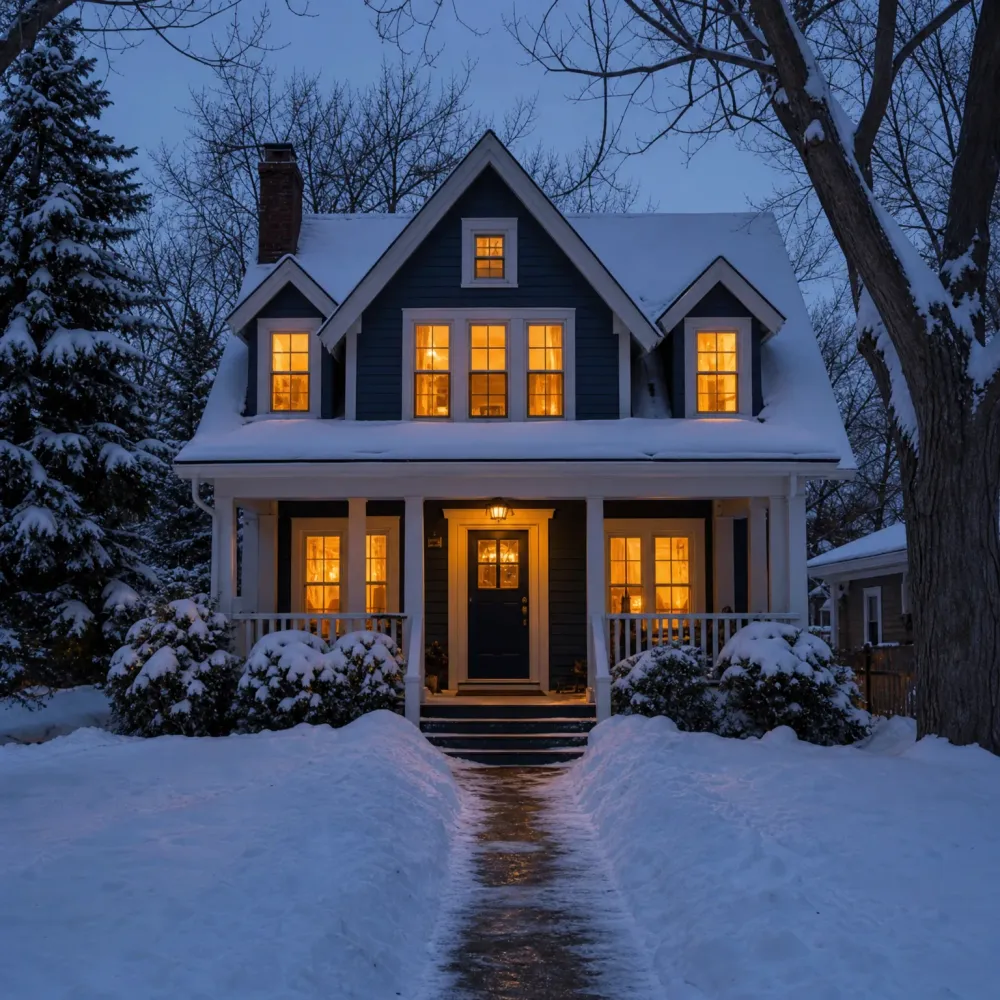
    A dark-sided two-story house with white trim and a covered porch, its windows glowing yellow at dusk, with snow on the roof, shrubs, and a shoveled path leading to the front steps.
  • Runs on the gas most homes here already use

    Most homes in Lackawanna County already have gas line run to the house for heat. If yours is one of them, a gas furnace uses a hookup that's already there instead of asking your electrical panel to carry the load.

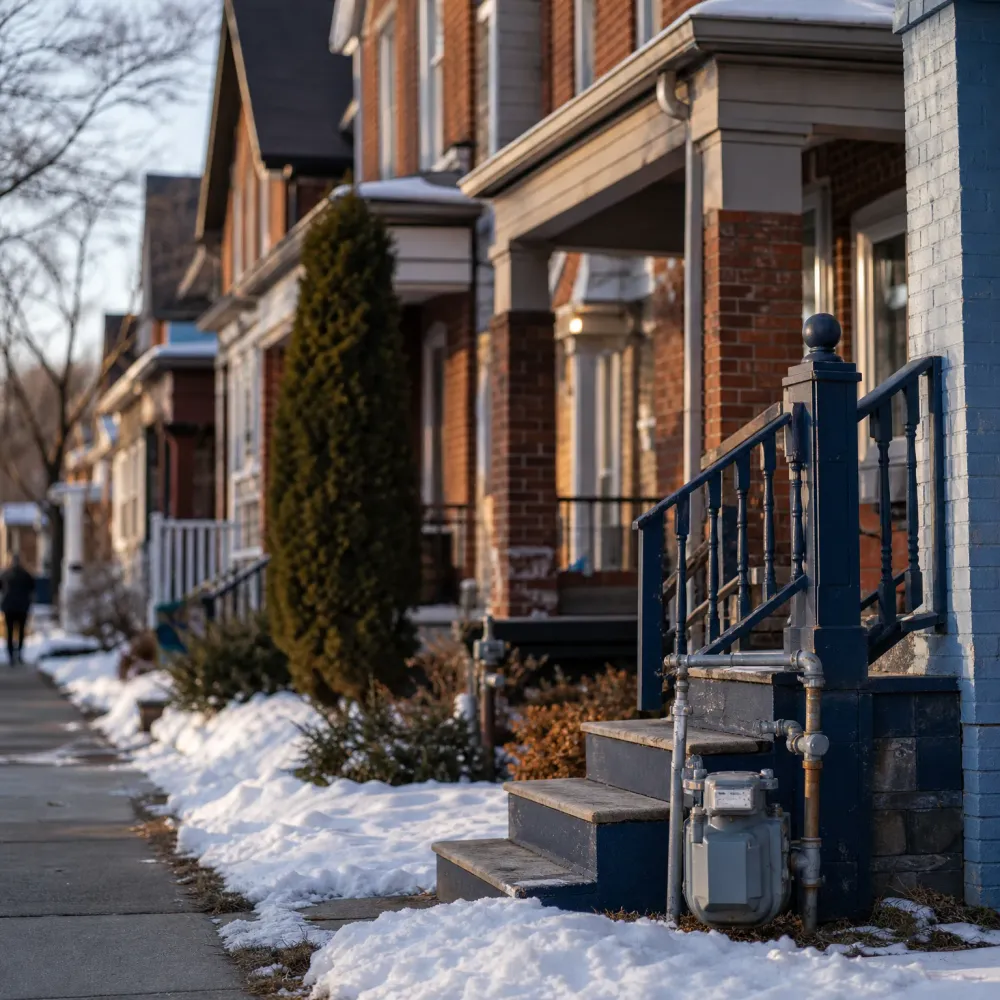
    A row of brick houses with covered porches and front steps along a snow-lined sidewalk, with a dark blue railing, exterior gas meter and piping in the foreground and a distant blurred pedestrian.
  • Fast, strong heat on demand

    A furnace pushes out hot air within minutes of switching on. A cold house warms up fast.

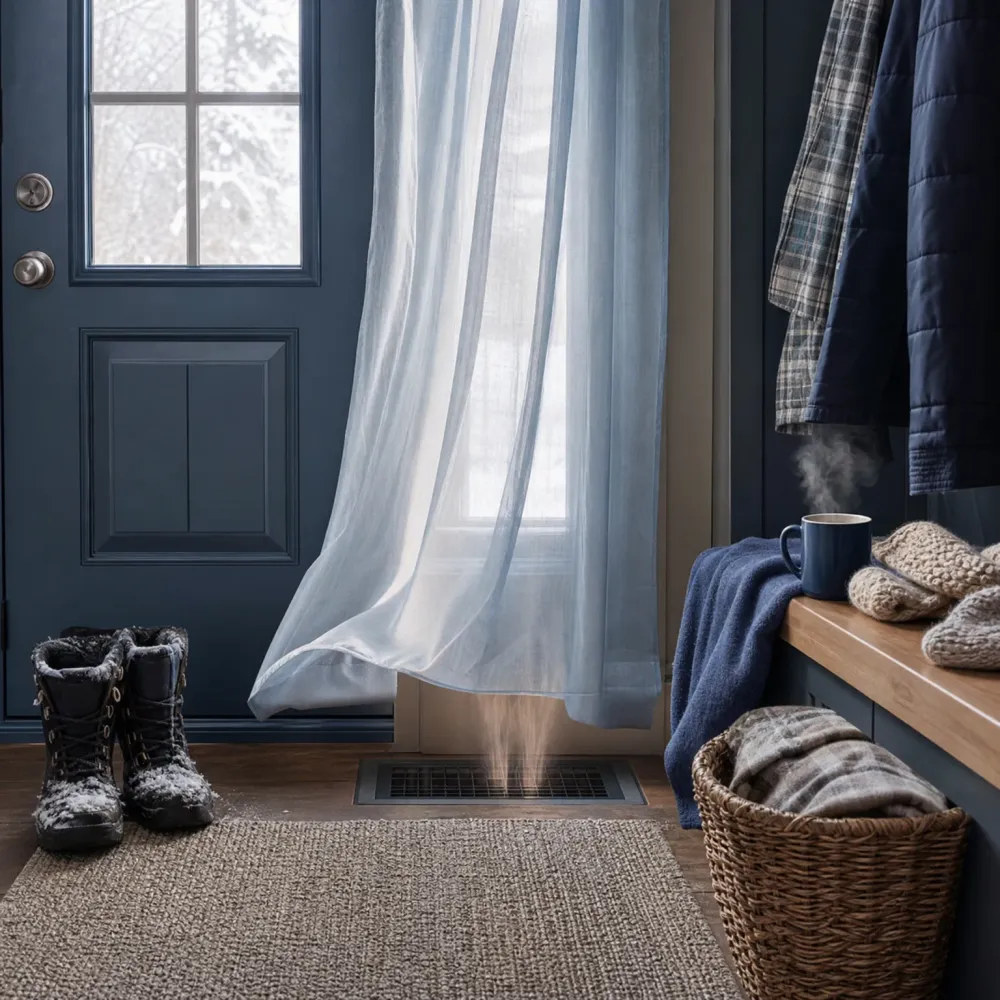
    Entryway with a dark blue door and window showing snowy trees, sheer curtain lifting above a floor vent, snow-dusted boots on a woven rug, and a wooden bench with a blue mug, folded blanket and basket.

Can a heat pump keep up with winter here

Your furnace question here isn't really about cost. It's about whether a heat pump can keep your house warm when it's 19 degrees outside, because that's the average overnight low through December, January and February. A standard heat pump starts falling short of its rated heat output below 40°F, and below about 35°F it often needs backup heat to make up the difference. Lackawanna County sits below both marks on an average winter night, not just on the cold snaps.

That pattern isn't occasional here. The county sees about 145 nights a year at or below freezing, out of roughly 275 nights in the nine-month heating season. That's more than half the heating season spent below the point where a standard heat pump needs help. Real cold, the kind that reaches 0°F, only shows up on about 7 nights a year. So the problem for a heat pump here isn't a handful of brutal nights. It's an ordinary winter.

A cold-climate heat pump changes that math. To earn the ENERGY STAR Cold Climate label, a heat pump has to keep at least 70 percent of its rated heat output at 5°F, far colder than this county's average low, and still produce more heat than it uses in electricity at that temperature. Field tests back this up: in occupied homes running prototype cold-climate heat pumps over two winters, backup heat covered only a small share of the heat needed between 0°F and 35°F, and the system running on backup alone was rare even above 0°F. The distinction that matters here isn't heat pump versus furnace. It's standard heat pump versus cold-climate heat pump.
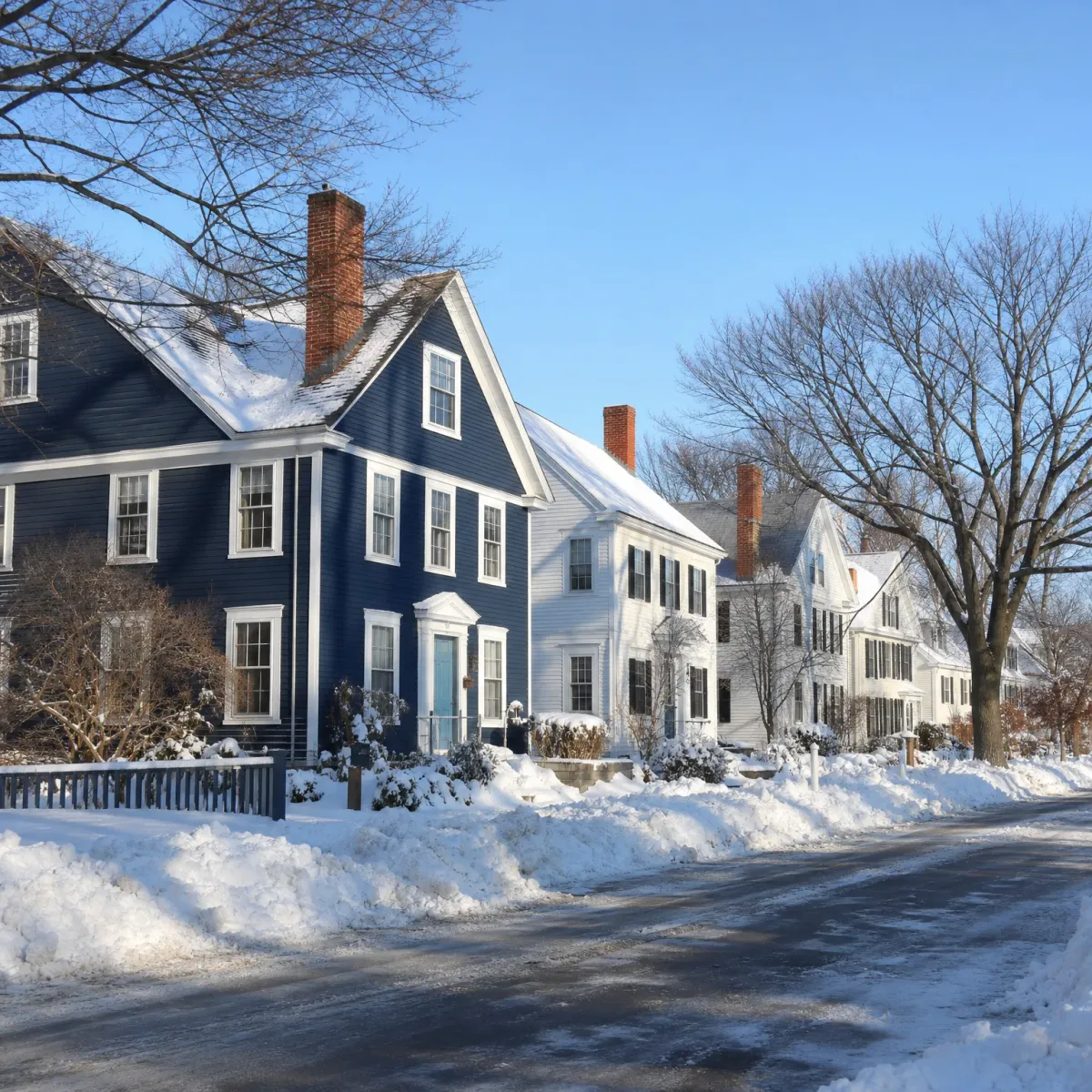
A snowy residential street lined with clapboard houses, including a dark navy house with brick chimneys, under a clear blue sky with bare trees.

What it costs to run, and what's already in the house

Run the numbers at Pennsylvania's average fuel prices and the furnace wins on operating cost. A gas furnace built to the federal minimum makes heat here for $1.64 per 100,000 Btu. A heat pump at the federal minimum, with nothing added for backup heat on the coldest nights, costs $2.37 for the same heat. That's natural gas at $13.12 per million Btu against electricity at $52.07. Gas is cheaper per unit of heat delivered, and in a county where heat runs nine months a year, that difference repeats itself for most of the year.

What's already running to the house matters too. Utility gas heats 64.2% of homes in Lackawanna County, a little under two in three, compared to 51.3% statewide. Electricity heats 18.6%. A home already on gas is choosing between keeping that line in use or adding an electrical load its wiring may or may not be sized for. Half the homes in this county were built in 1955 or earlier, so whether the house can take a heat pump's electrical demand without upgrades is a question worth checking before deciding, not after.

Summer narrows the gap. Cooling only runs about two months here, July and August, with afternoons averaging 78°F, nowhere near the demand winter puts on a heating system. A heat pump does both jobs with one system. A furnace only heats, so for those two months and for the three months in between when neither heating nor cooling runs, it has nothing to do. That's the real tradeoff: a furnace that costs less to run on gas, paired separately with an air conditioner, against a cold-climate heat pump that costs more per unit of heat but handles winter and summer both, provided it's rated for the cold a Lackawanna County winter actually brings.

Sources: NOAA nClimDiv · NOAA 1991–2020 seasonal normals · EIA SEDS 2024 · Census ACS 2020–2024 · 10 CFR 430.32 · PNNL Building America guide · PNNL-37127 field study · ENERGY STAR product criteria

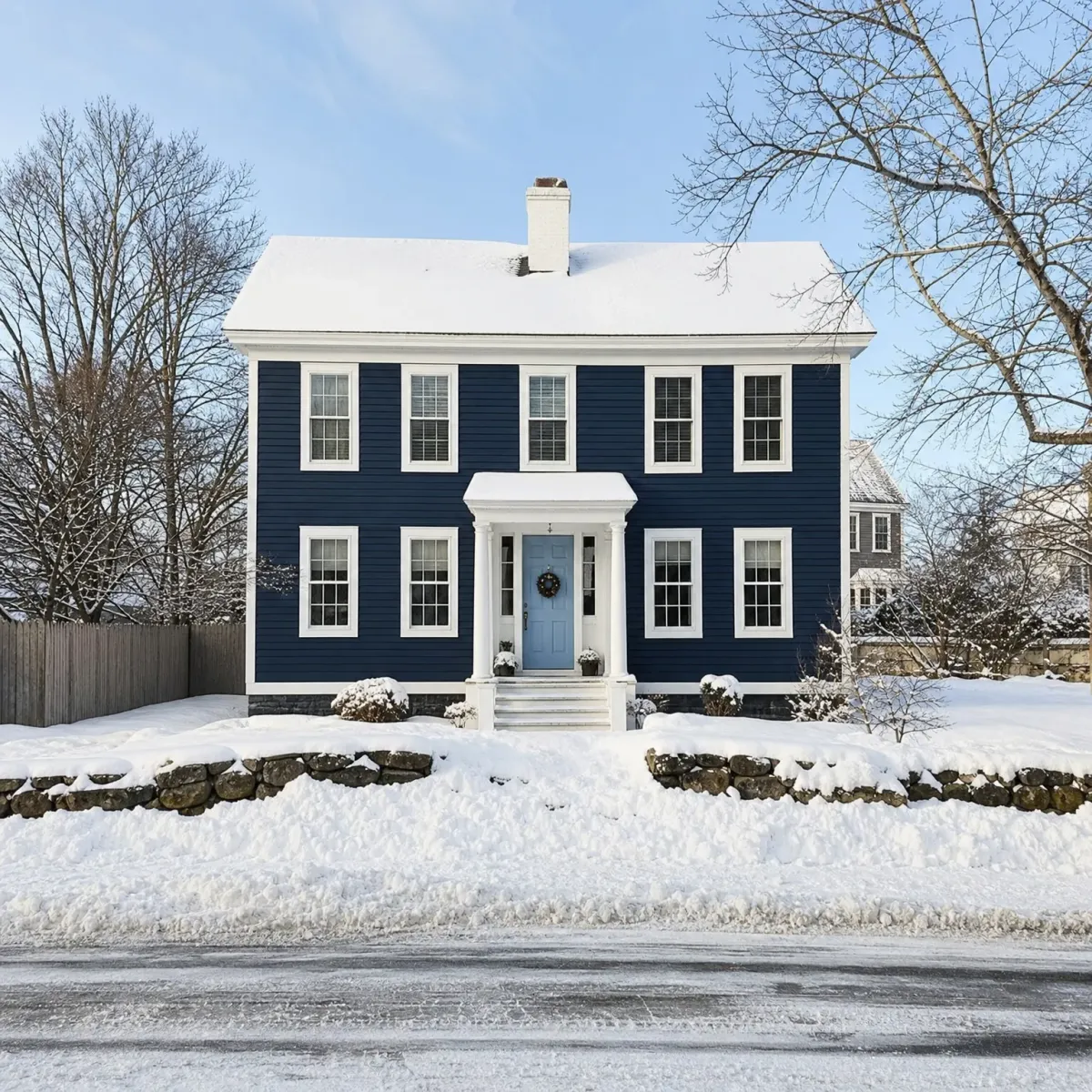
A two-story navy blue clapboard house with white trim, a white chimney, a light blue front door with a wreath, and a snow-covered roof, behind a snowy yard with a stone retaining wall and bare trees.

Common questions about heat pumps and furnaces

  • Can a heat pump heat a house through a Pennsylvania winter?

    It can, but what it needs to lean on depends on how cold it gets. Overnight lows here average 19°F across December through February, and fall to 32°F or below on about 145 nights a year. A standard heat pump's output drops below 40°F and it often needs backup help below about 35°F, so most winter nights here fall into that range. A cold-climate model is built to keep most of its capacity down to 5°F, which matters more here than the average heat pump spec sheet.

  • Do I need backup heat with a heat pump here?

    Most homes here will want it. The overnight low averages 19°F across winter, well under the roughly 35°F mark where a standard heat pump often needs help and the 40°F mark where its output starts falling short of the rating. Even the about 7 nights a year that drop to 0°F or below are the exception, not the rule, so backup heat is for the ordinary cold nights here, not just the rare extreme ones.

  • Can I keep my furnace and add a heat pump?

    Yes, and here that often means the furnace becomes your backup heat. A heat pump's output falls below its rating once it's under 40°F outside, and it often needs backup once it's under about 35°F. Your winter average overnight low is 19°F, so the furnace would be doing real work on a lot of nights, not just sitting idle.

  • Is a heat pump cheaper to run than a furnace in Lackawanna County?

    No, a furnace runs cheaper here. The heat pump costs $2.37 to make 100,000 Btu of heat at Pennsylvania's average electricity price, against $1.64 for a furnace on gas prices, so the furnace costs at least 30% less to run. Gas already heats 64.2% of homes in Lackawanna County, close to two in three, so most homes here are set up to use the cheaper option.

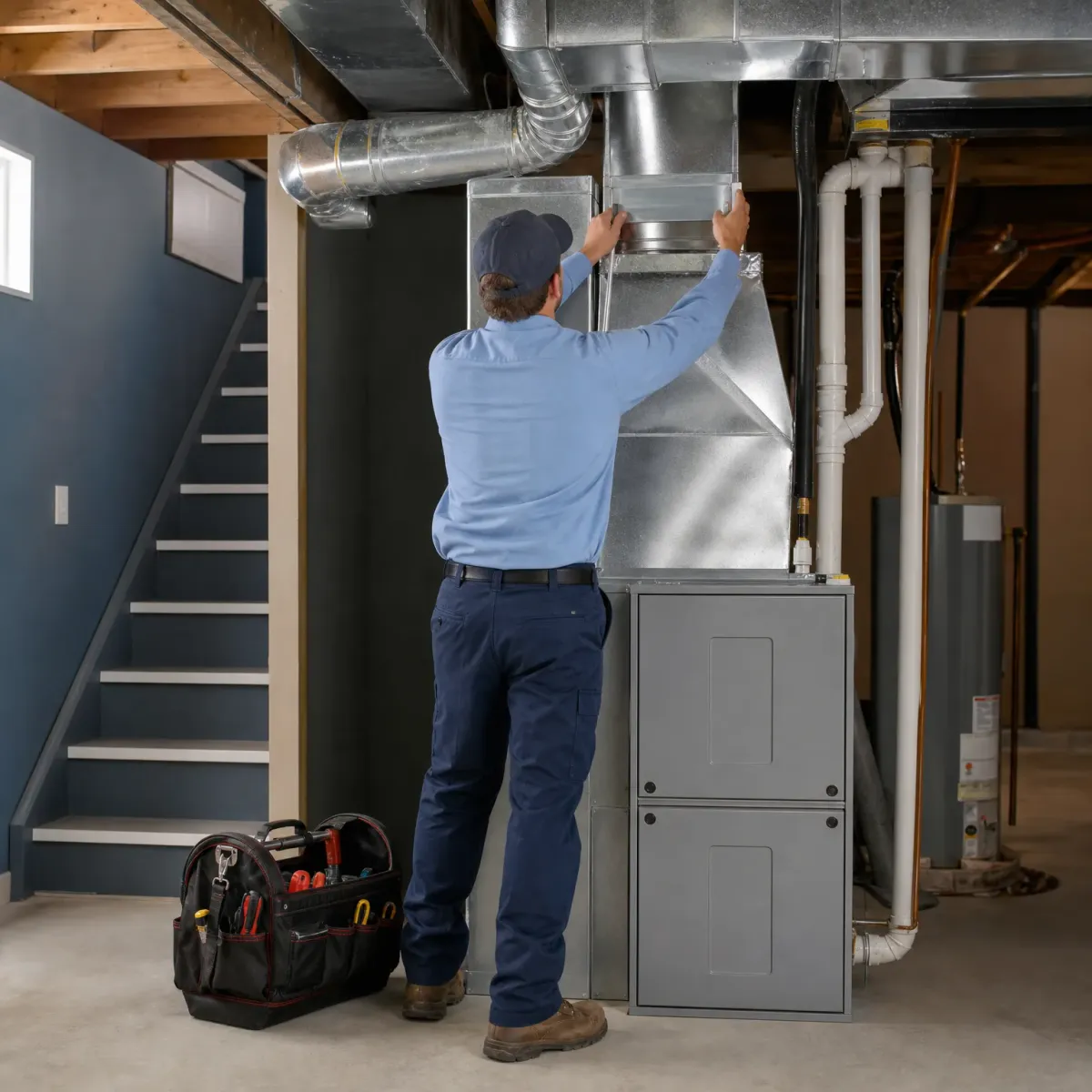
A man in a blue shirt, navy pants and cap works on sheet metal ductwork above a gray furnace in a basement, with an open tool bag on the floor and stairs to the left.

Tell us about the job

Takes about a minute. No obligation.

Step 1 of 3: Equipment