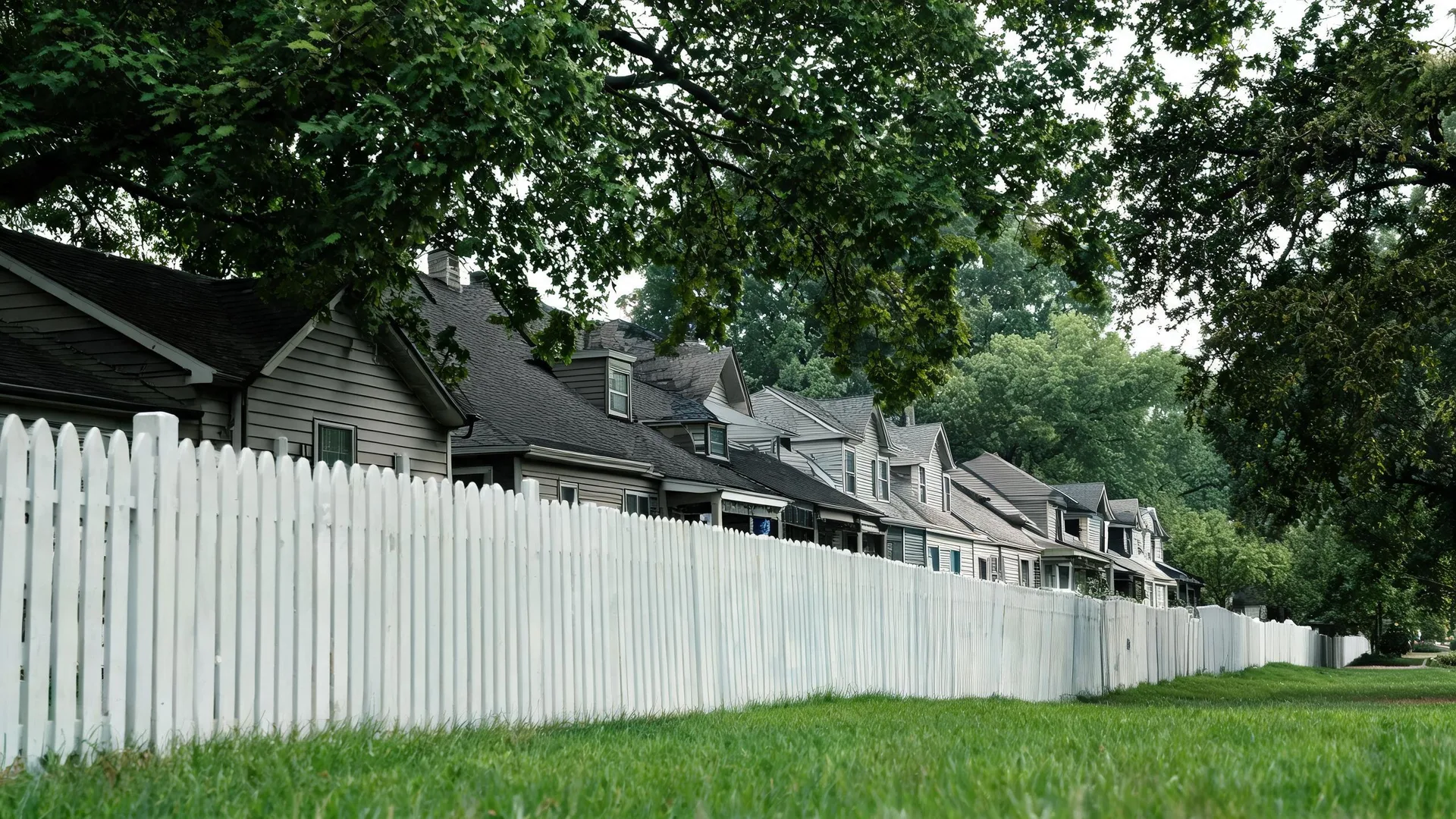



A long white picket fence runs beside a mown grass strip in front of a row of gray gabled houses, with large leafy tree branches overhead.

Furnace Installation in Oil City, PA

Tell us about the job

Takes about a minute. No obligation.

Step 1 of 3: Equipment

Half the homes in Venango County were built in 1959 or earlier. A furnace going into a house that old is rarely a straight swap. The ductwork, the gas line, even where the old unit sits may not match what a new furnace expects. A contractor sizing the new system has to look at the house itself, not just the model it's replacing. None of that is a reason to put off the job. It just means the install takes a closer look than it would in a newer home.

8 months
October through May, your furnace is on duty
20°F
the average winter night it heats against
68%
of homes here heat with gas, so most furnaces here burn gas
80% AFUE
the federal minimum any new unit must meet
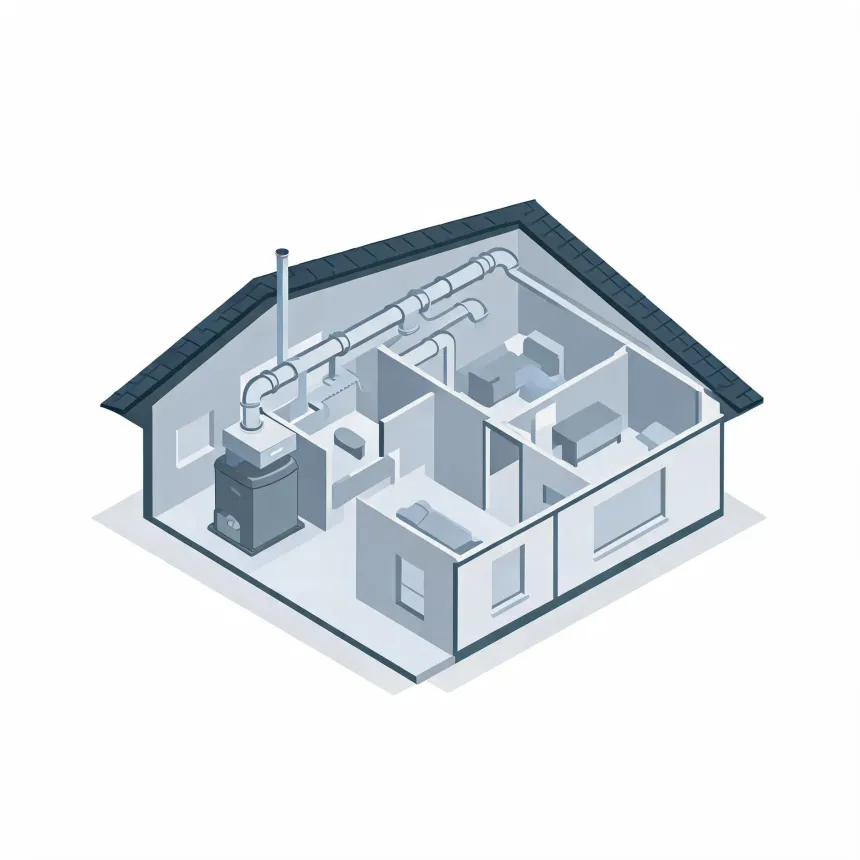
Isometric cutaway illustration of a single-story house showing interior rooms, ductwork running along the ceiling, a flue pipe through the roof, and a dark furnace unit in one corner.
Your furnace works hardest from November through March.

NOAA nClimDiv, 1991–2020 normals

A furnace in Venango County runs about eight months a year, October through May.

A new system here earns its keep fast, so sizing it right matters more than finding the lowest bid.

Eight months of heat a year is a long time to run on borrowed time

Heat runs October through May
Winter nights average 20°F
Climate zone 5A

Gas heats two out of three homes in Venango County, far more than electricity, propane or oil combined. If your house is one of them, a gas furnace is almost certainly the right call again. It's also the easier install: the gas line, the vent, the spot where the old unit sits are already built around that fuel. Swapping in a new gas furnace works with what's already there instead of against it. Homes on propane or oil face a different set of choices, but for most homes here, staying with gas keeps the job simpler and the system matched to the house.

Have the house looked at before the new furnace is picked

Get a contractor to look at the house itself before picking a furnace. In a home built in 1959 or earlier, that means checking the ductwork, the gas line and where the old unit sits before anything gets sized or ordered. That walkthrough is what makes the install right the first time.

Find a contractor
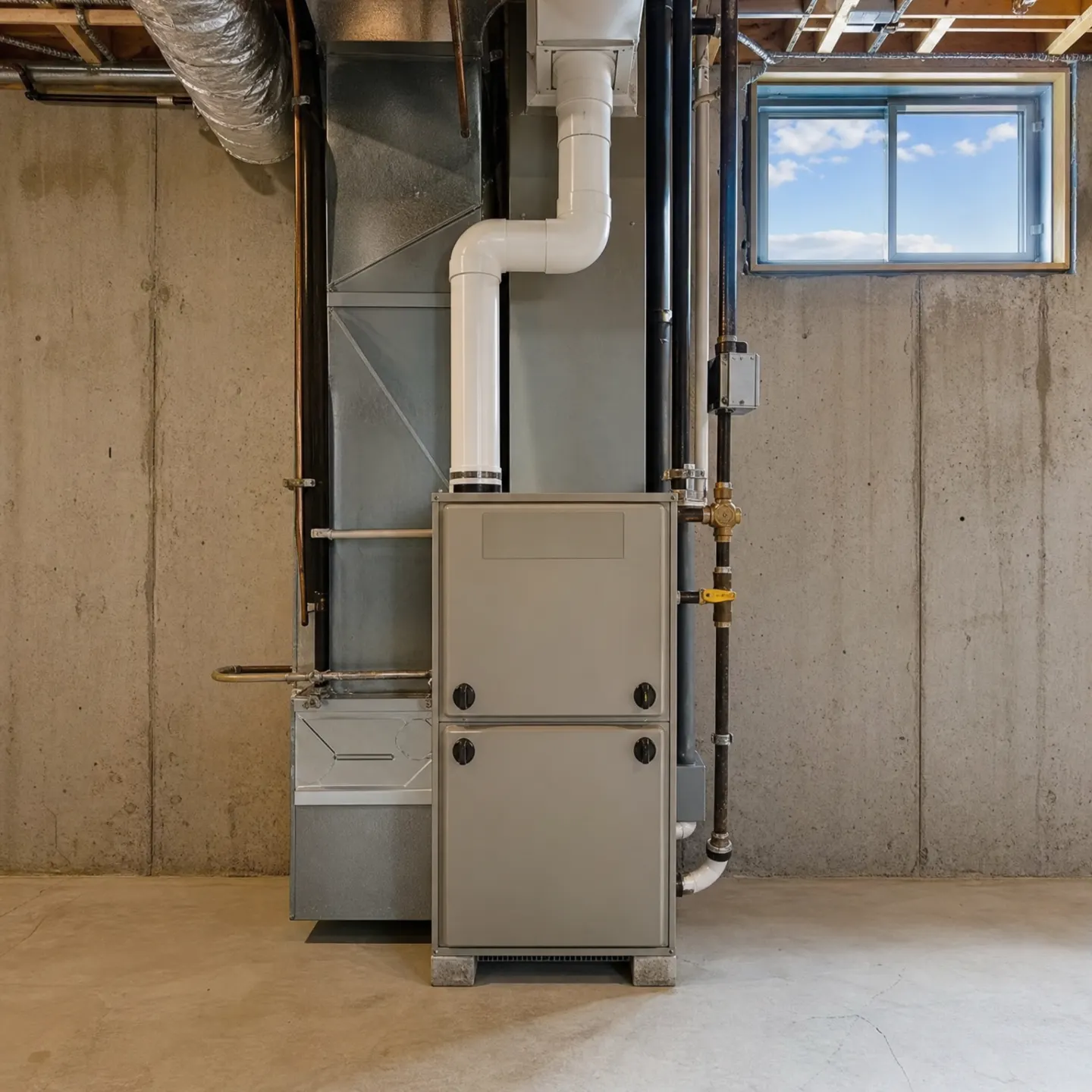
A gray gas furnace with attached ductwork and piping installed in an unfinished concrete basement.

Eight months of work a year is no place for the wrong size

October through May, the new furnace carries the house. That's most of the year spent actually working, not sitting idle. A unit sized to match a low bid instead of the house will struggle with a run like that. Too big and it short cycles, kicking on and off instead of settling into a steady burn. Too small and it runs long stretches just to keep up. Either way, the parts inside wear down faster than they should. A furnace sized to the house, not just the price tag, is what holds up across eight months of real work.

The old furnace doesn't go back together

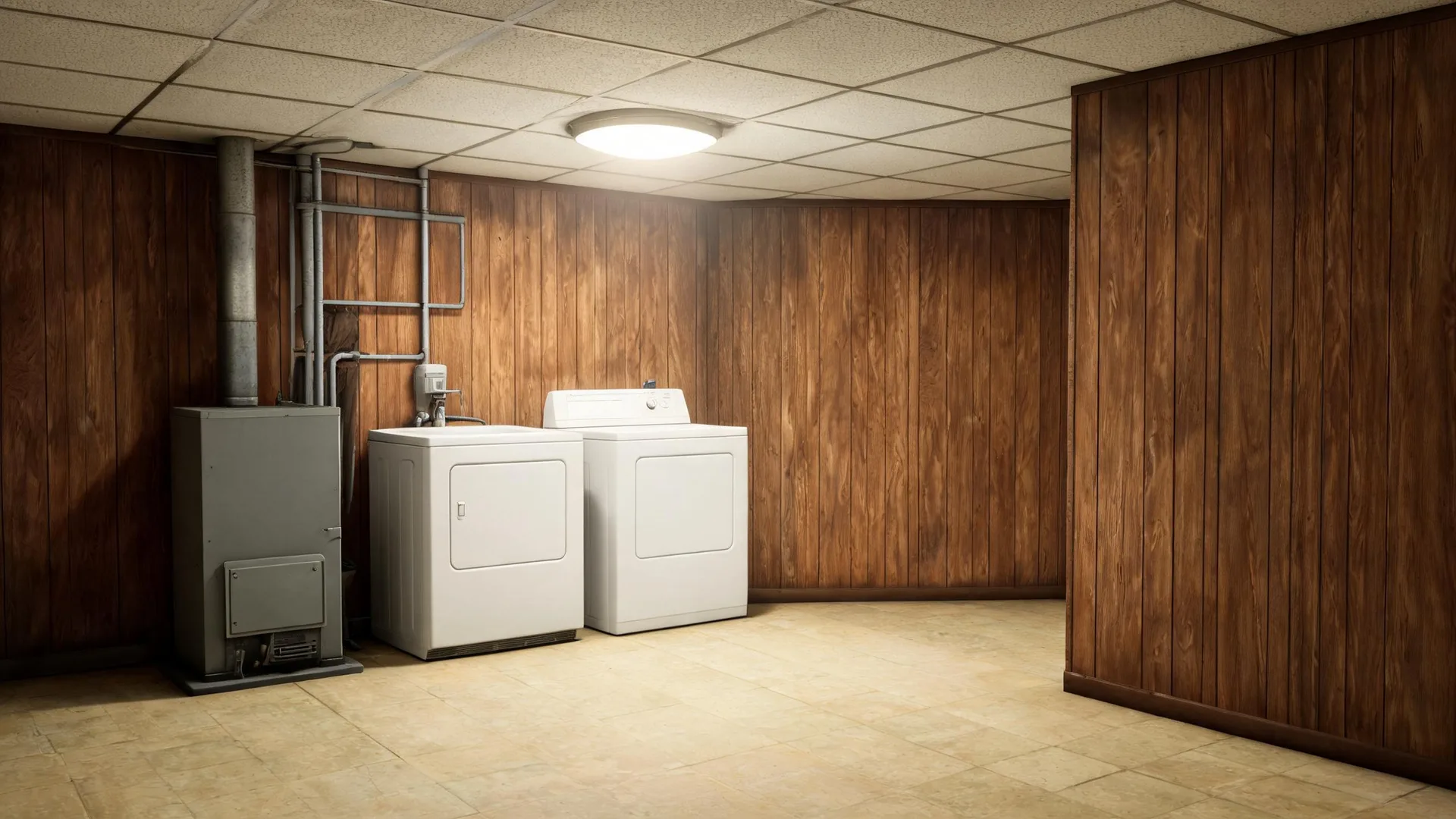
Once a contractor pulls the old furnace apart to get it out, it isn't going back in. The heat exchanger, the burners, the cabinet itself get cut or broken down for removal. Disconnecting the gas line and venting is a one way step too. Whatever shape that old unit was in, working or not, the decision to replace it is final the moment removal starts.

Removal clears the way for the real work

Getting the old furnace out of the house is a small part of the job, but it has to happen first. The space where it sat, the duct connections, the vent and the gas line all need to be clear before the new furnace goes in. A rushed removal can leave debris or damaged connections behind that cause problems once the new system is running.

A gas furnace with sheet-metal ductwork and PVC pipes installed in an unfinished basement.

A high-efficiency gas furnace would save about $150 a year to run in Venango County compared with a gas furnace.

  • A high-efficiency gas furnace$700 a year
  • A gas furnace$850 a year

Estimates for a typical Venango County home, from EIA household energy data, Pennsylvania fuel prices and NOAA climate normals. Your home will differ.

Install day starts with the house empty of a furnace, at least for a few hours. The new unit gets set in place first, leveled on its base so the cabinet sits square and the burners fire evenly. Gas line, venting and ductwork get connected one at a time, with the contractor checking each joint before moving to the next. The electrical hookup powers the blower motor and the control board that runs the ignition sequence. Once everything is connected, the furnace gets fired up and run through a full cycle. A contractor checks the flame through the viewing port, reads the temperature rise across the heat exchanger, and confirms the blower is moving air the way it should before calling the job done.