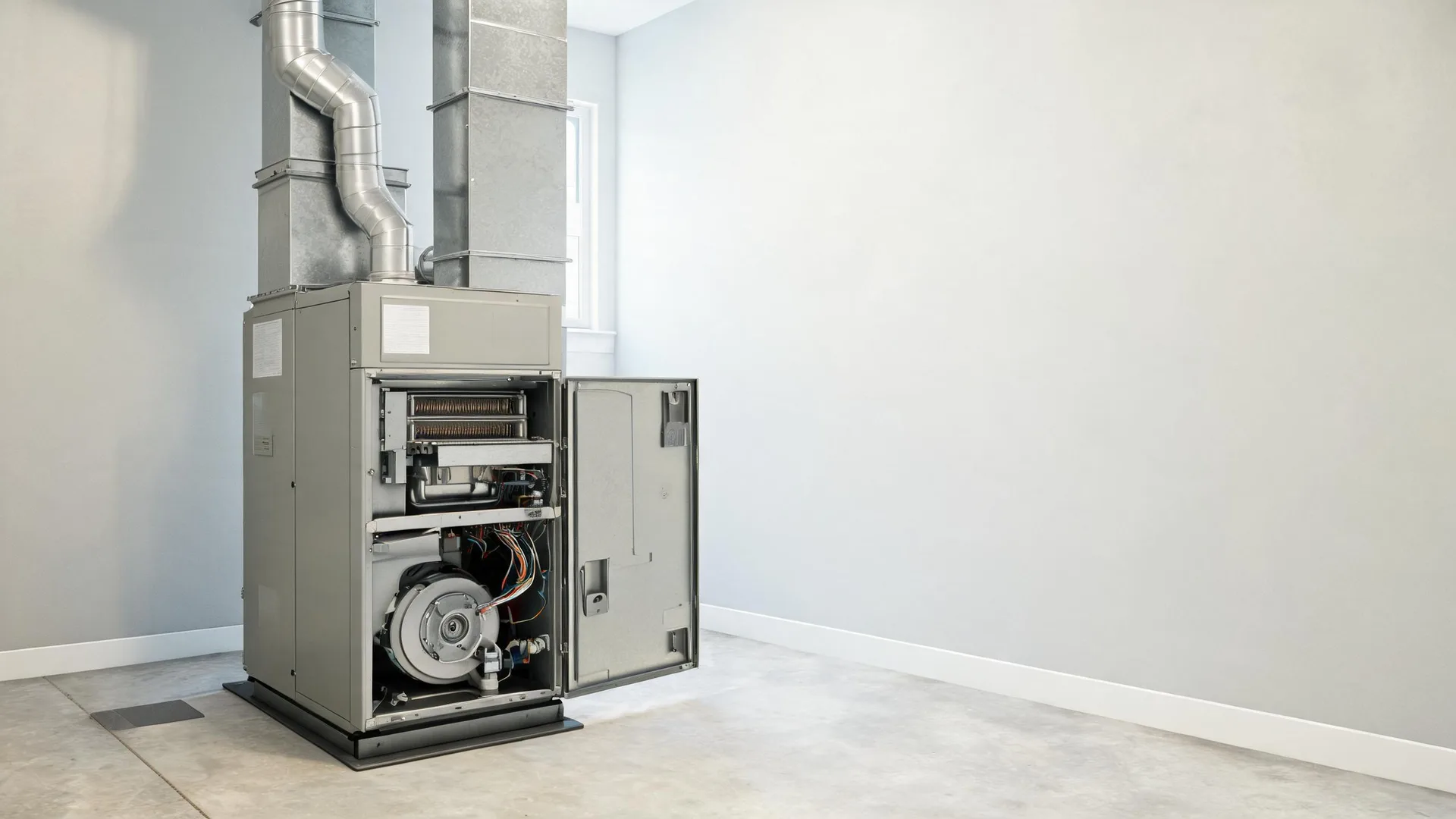
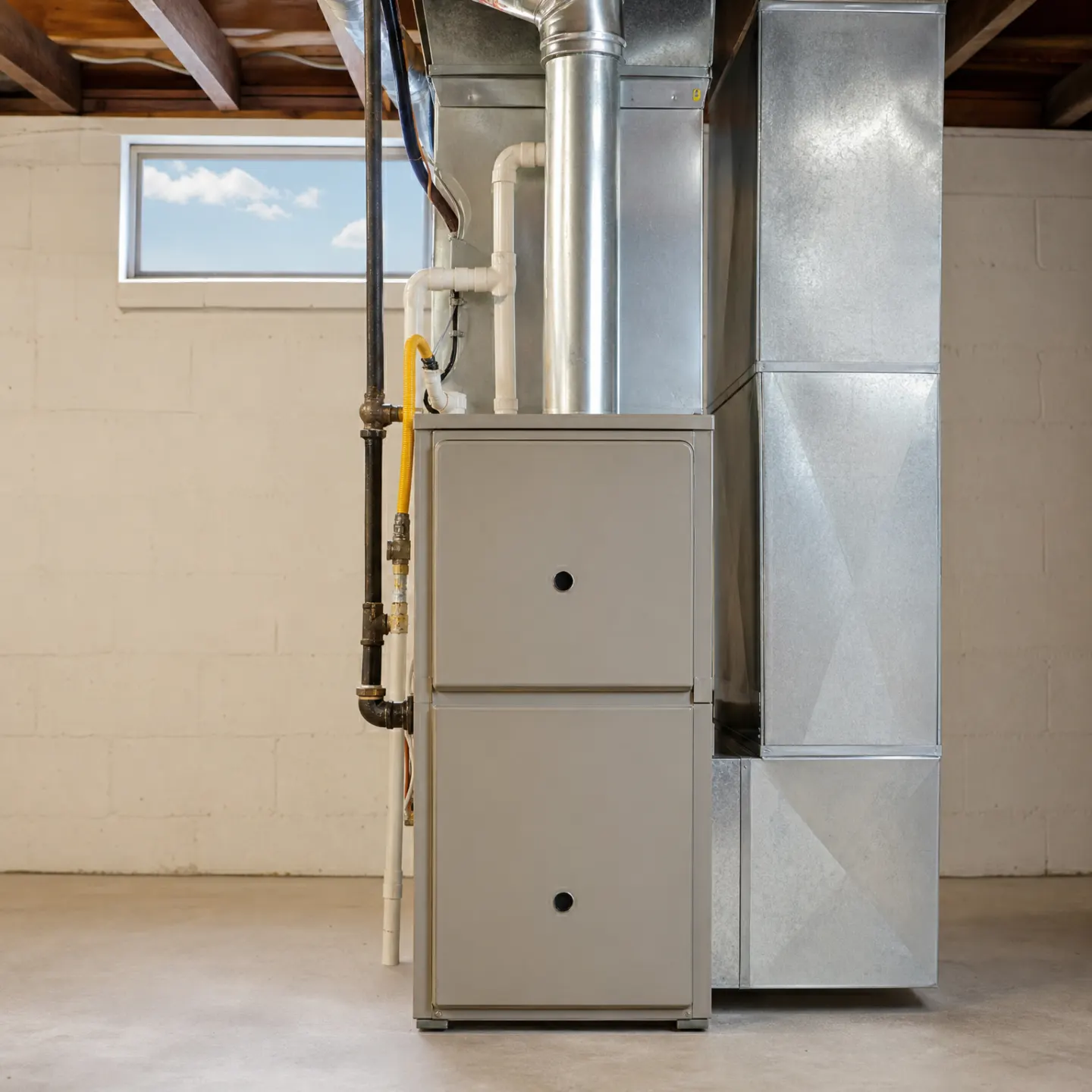
Half these homes were built in 1959 or earlier
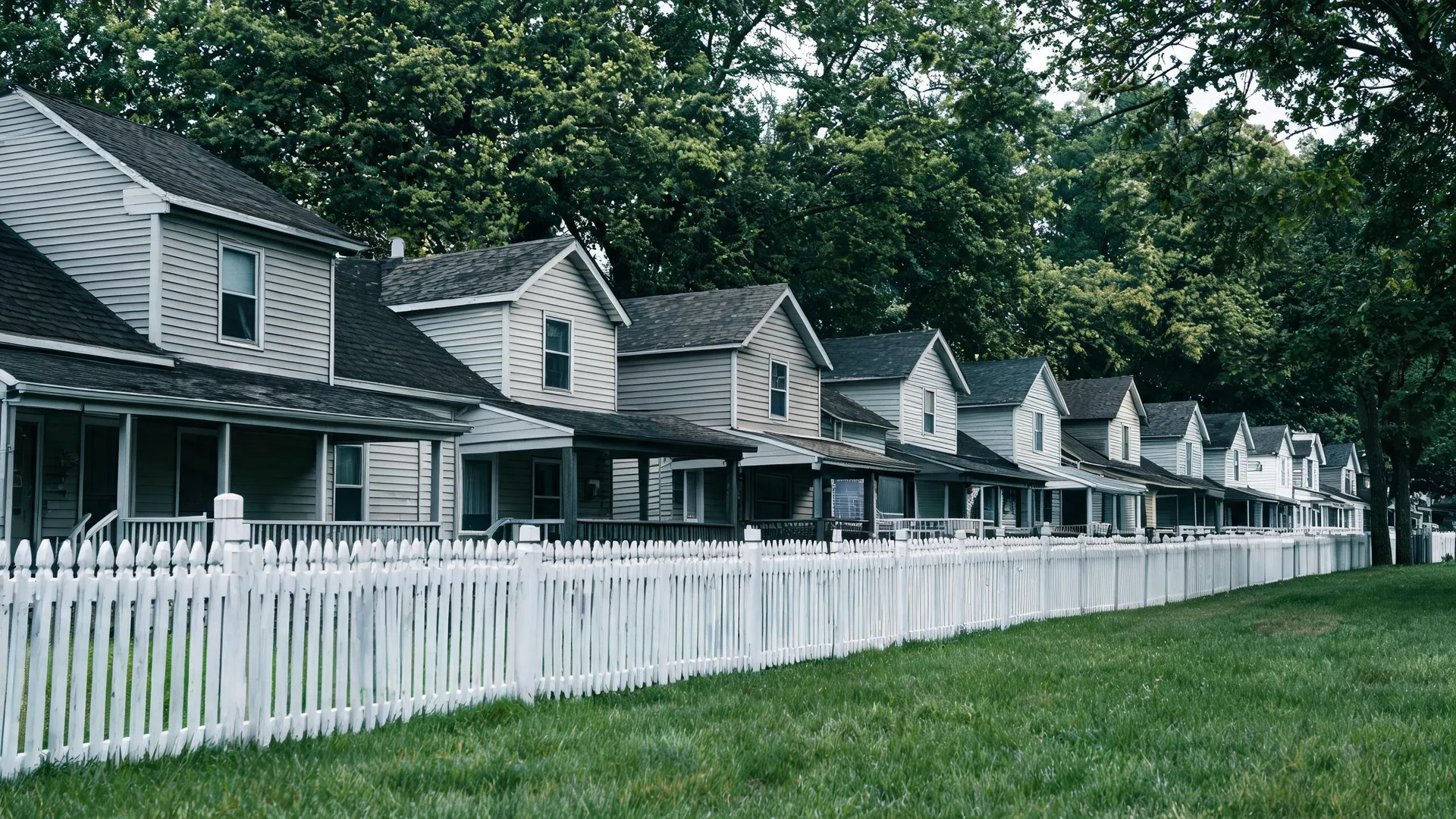
That's the midpoint for Venango County. A furnace in a house that old has usually been replaced at least once already, and whatever is in there now may be older than you think.
Takes about a minute. No obligation.
That's the midpoint for Venango County. A furnace in a house that old has usually been replaced at least once already, and whatever is in there now may be older than you think.
A furnace nearing the end of its life can fail again a year later even after a good repair. Before you pay for the fix, it's worth finding out how much life the unit has left.
NOAA nClimDiv, 1991–2020 normals
A cracked heat exchanger gets worse every time the furnace fires.
Shutting it down when you notice the problem keeps a repair a repair, not a replacement.



Furnace season starts in October here, which means September is when a weak part finally gets found out. The furnace has sat quiet since spring. The first cold night it has to run for hours straight, and whatever was already marginal, a cracked heat exchanger, a failing igniter, a blower motor on its way out, tends to give out right there. Getting it looked at before October asks anything of it is easier than getting it looked at after it quits on a 20 degree night. That's the average overnight low here in January, and a furnace that fails then doesn't wait for a convenient morning.
With a furnace that runs this many months straight, it's worth having someone check more than the one part that's acting up. A proper diagnosis now tells you whether this is a quick fix or a sign the unit is on its way out, so the repair you pay for actually lasts the winter.
Find a contractor
An old furnace doesn't fail all at once. The part that quits is usually just the first one. If a technician is already out for this repair, ask them to check it against the age of the unit before you pay to fix only what broke. That tells you whether you're buying another winter or a few more years.
Check the thermostat is set to heat and the temperature is actually above room temperature. Look at the furnace door and make sure it's seated flush, since most furnaces won't fire with the panel loose or off. Check the air filter, and if it's gray or clogged, swap it, because a blocked filter can starve the system and trip it off on its own. Go to the breaker panel and look for a tripped switch. If the furnace uses a standing pilot, check whether the pilot light is lit.
Don't take the burner compartment apart or reach near the heat exchanger. If you smell gas, rotten eggs, or anything scorched, leave the house and call the gas company from outside, not the furnace repair line. Note what the furnace was doing right before it quit, short cycling, a smell, a noise, a flame color that looked more yellow than blue, and pass that along. Those details narrow down the problem faster than anything found by opening up the cabinet.
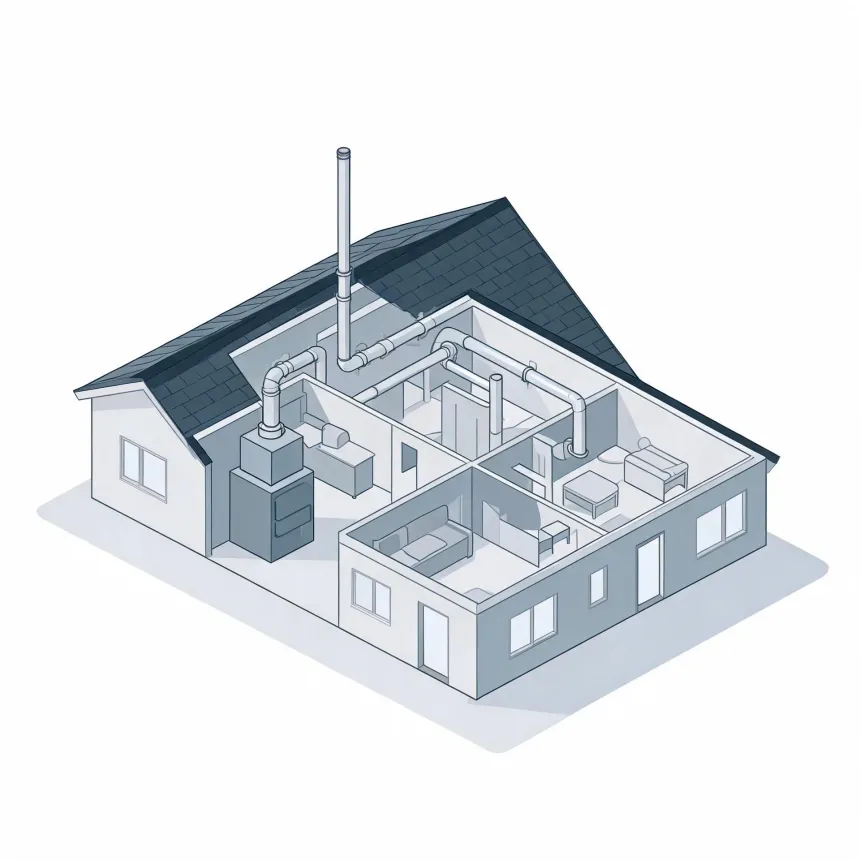
Estimates for a typical Venango County home, compared with an older unit built to the previous federal minimum, from EIA household energy data, Pennsylvania fuel prices and NOAA climate normals. Your home will differ.
Repair makes sense when one part has failed and the heat exchanger is sound.
Replacement makes sense when the heat exchanger is cracked or the furnace keeps needing parts.
A repair fixes what failed. It doesn't tell you what's next in line. Furnaces wear as a set, the heat exchanger, the blower motor, the ignition system, all logging the same hours, so a unit old enough to lose one part is old enough to be close on the others. Cost matters, but so does what the repair is buying. A new blower motor on a furnace that's otherwise sound can run for years. The same part on a cracked heat exchanger just buys time until the next failure. The honest question isn't whether it can be fixed. Almost anything can. It's whether fixing it gets you through a few more winters or just to the next breakdown.