




What winter actually asks of a heat pump here
Your heat runs eight months a year in Centre County, October through May, and the overnight low averages 20°F across December, January and February. That's the number that matters, because a standard heat pump's output falls short of its rating below 40°F, and it often needs backup heat below about 35°F. Twenty degrees sits below both marks. So does every one of the roughly 135 nights a year here that drop to freezing or lower, more than half the nights across the whole heating season.
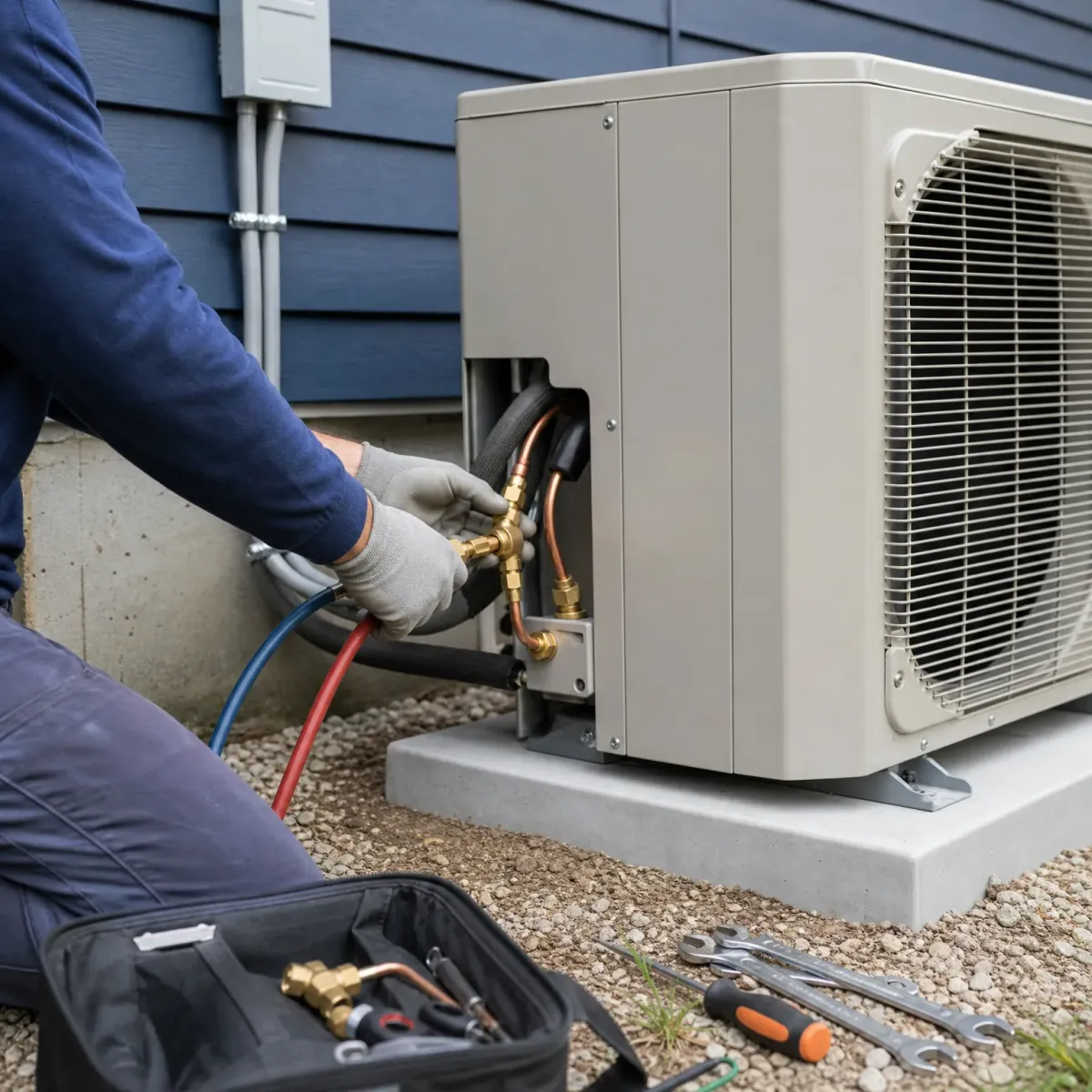
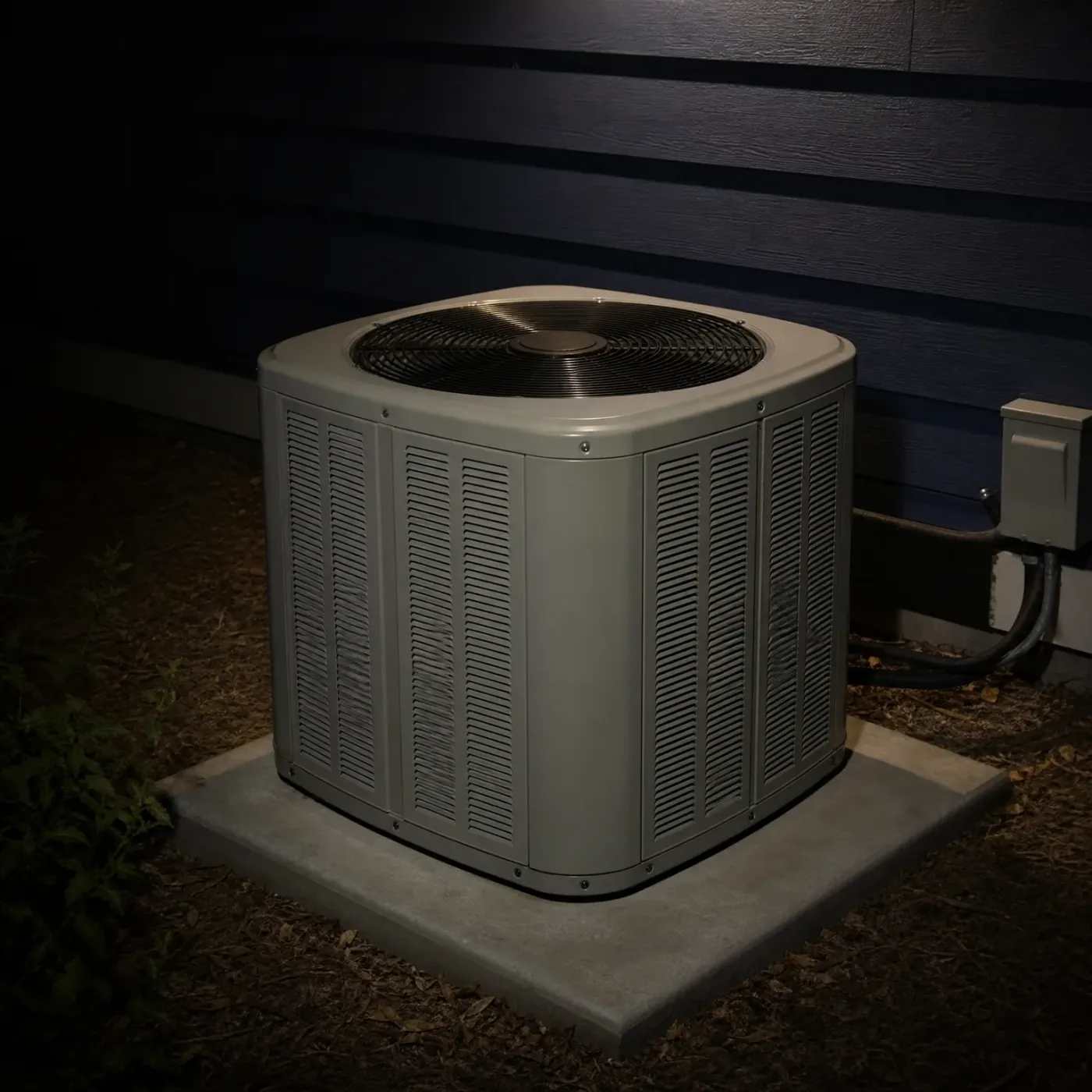
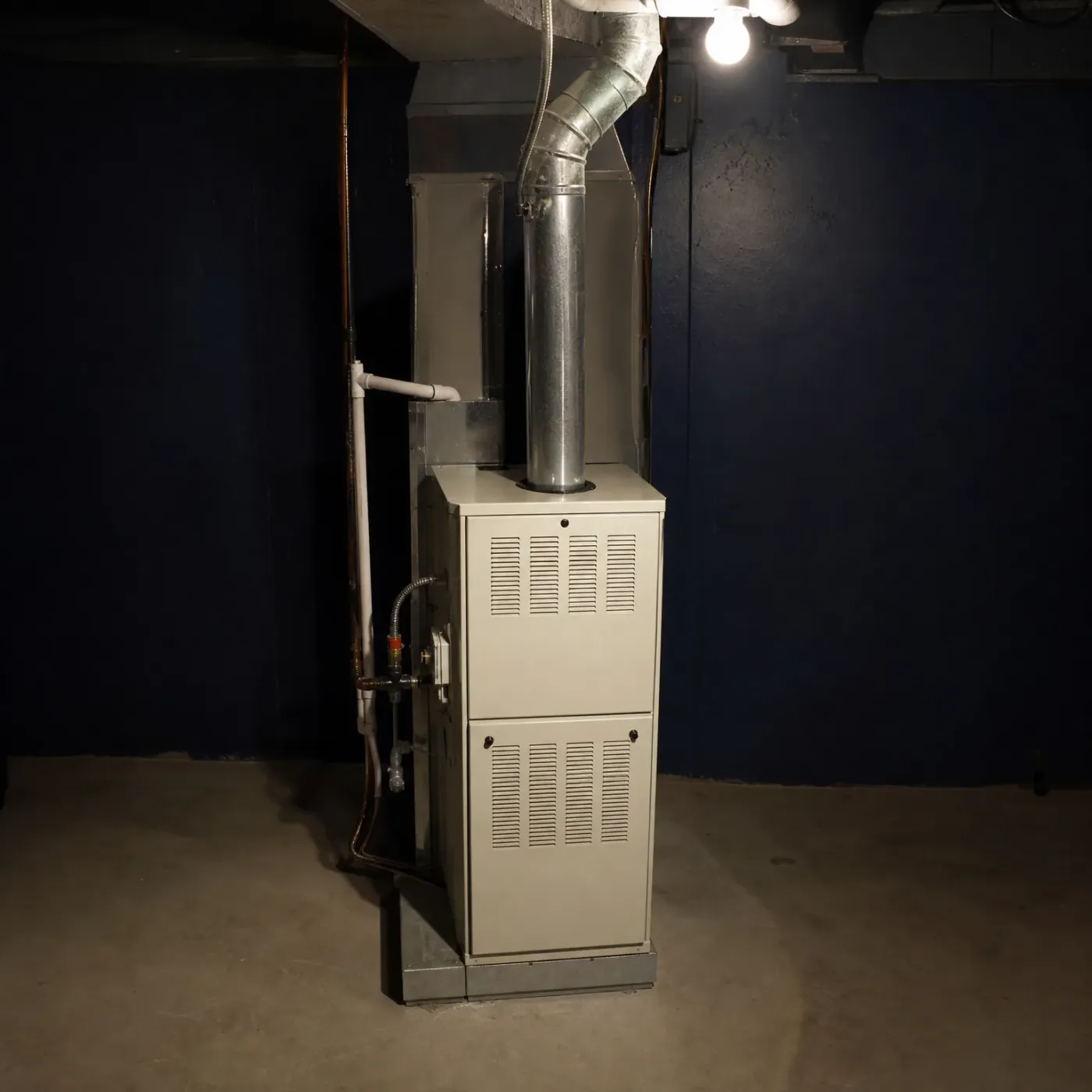
That doesn't mean the heat pump quits. It means the furnace is doing more of the work than the running-cost number alone shows, on more nights than not. A gas furnace built to the federal minimum makes heat for $1.64 per 100,000 Btu here against $2.37 for a heat pump, and that heat pump figure already assumes nothing added for backup. On a 20°F night, something has to make up what the heat pump can't, and that's either a backup element or a second system, and either one changes what the winter actually costs you to run.
The four nights a year that hit 0°F or below are a small part of the picture, not the main one. A heat pump built to the ENERGY STAR Cold Climate standard is tested to hold at least 70 percent of its 47°F capacity at 5°F, and field testing of cold-climate units found backup heat covered only a small share of the load between 0°F and 35°F, with the system running on backup alone rarely happening even at 0°F. That's a different machine than the federal-minimum one the running-cost band is built on. If a heat pump is on the table here, which one matters as much as whether.