




A row of illuminated white colonial houses photographed at twilight along a tree-lined road with a stone wall in the foreground.

Mini Split Installation in DuBois, PA

Tell us about the job

Takes about a minute. No obligation.

Step 1 of 3: Equipment

Fuel oil heats more homes in Clearfield County than anything else, close to four in ten. Gas, electric and propane split most of the rest. A mini split doesn't compete with that oil furnace for whole-house heat here. It earns its keep in the room the furnace can't reach well, or the space nobody wants to run the oil heat for. Same idea in summer, if the house has no central air to begin with. This is usually a room-by-room decision, not a replace-the-furnace one.

8 months
October through May, your system heats
2 months
July through August, it cools
19°F
the average winter night it heats against
79°F
the average summer afternoon it cools against
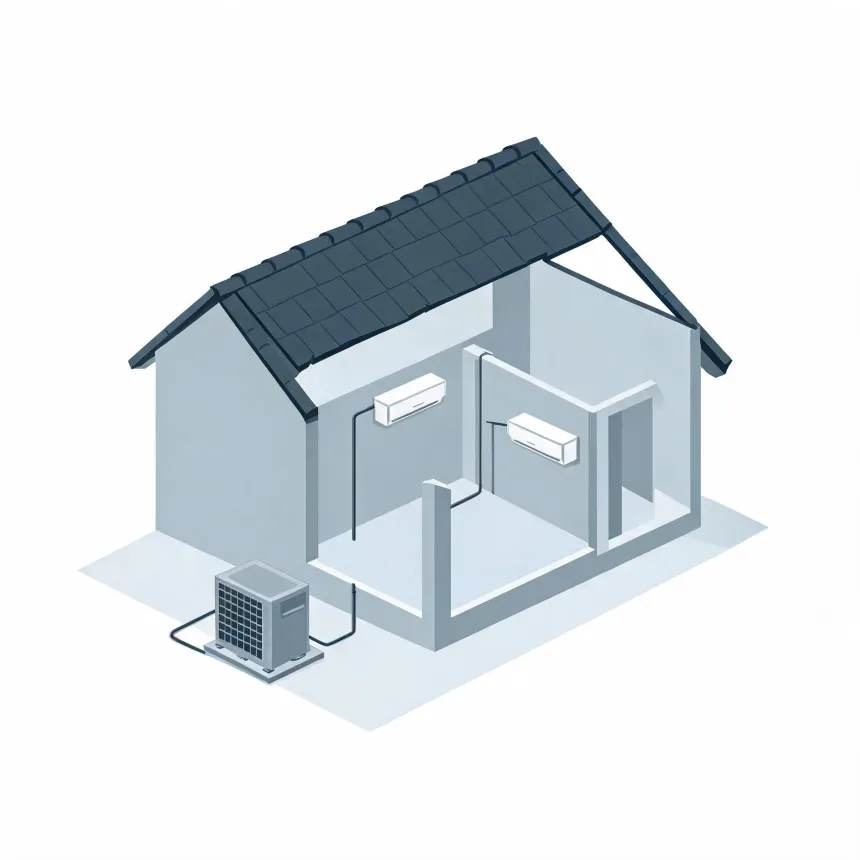
Isometric illustration of a cutaway house with a dark tiled gable roof, showing two wall-mounted indoor split air conditioning units connected by lines to an outdoor condenser unit on the ground outside.
Your system heats October through May and cools July through August.

NOAA nClimDiv, 1991–2020 normals

A standard mini split, sized right for the room, handles DuBois winters and summers without needing to be oversized.

Bigger or pricier doesn't buy you anything extra here, so sizing it to the room is the right call.

Half these homes were built by 1970, and the install has to work with that

Half the homes here were built by 1970
Cooling runs July through August
Summer afternoons average 79°F
Two months of cooling a yearDuBois summers run mild, so the mini split you need here doesn't have to work hard.

Cooling in Clearfield County only runs July and August. That's a short window to find out your mini split can't keep up. If you're installing one to cover a room for summer, get it in before July, not during the first heat wave. June works well for this because the crew isn't racing weather and you're not sitting without cooling while parts get sorted out. A mini split installed in June is tested and ready on the first hot day instead of the day you call about it.

Any system installed here has to clear 14.3 SEER2 and 7.5 HSPF2

Any mini split installed in Clearfield County has to meet the zone 5A minimum. That's 14.3 SEER2 for cooling and 7.5 HSPF2 for heating, the federal floor for split-system heat pumps, ductless included. It narrows what a contractor can offer you. A federal tax credit is available on qualifying equipment, worth knowing before you compare quotes.

Find a contractor
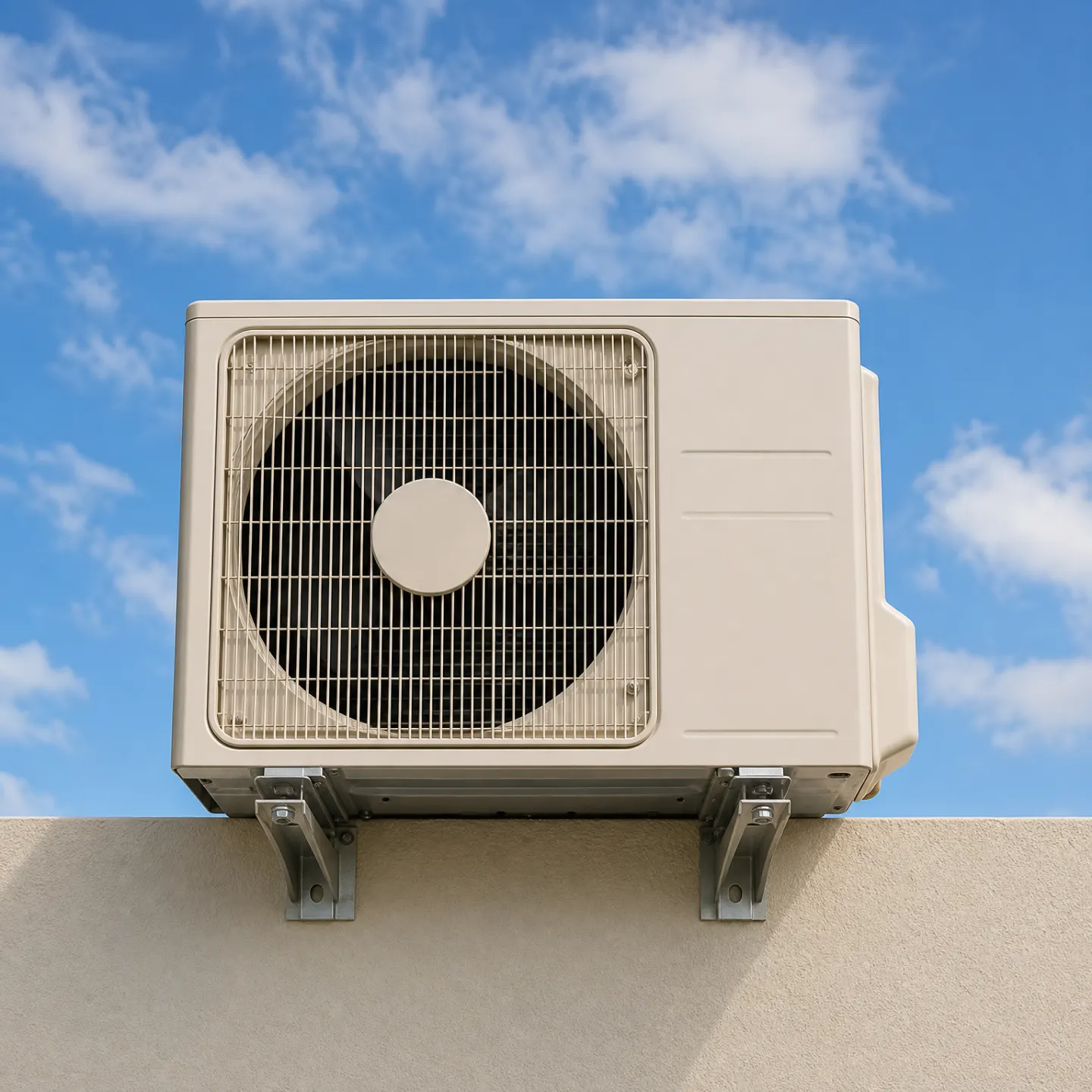
A beige split-system air conditioner outdoor condenser unit mounted on metal wall brackets atop a stucco wall.

What happens to what you're replacing

The old system doesn't leave when the new one goes in, unless it's part of the deal. If a window unit or a space heater was covering this room before, that's on the homeowner to pull and dispose of or sell off. If the mini split is going in alongside an oil furnace that still handles the rest of the house, there's nothing to remove at all. The furnace keeps running the same as before. The only thing that changes is this one room stops depending on it. Where it gets more involved is a full switch away from an older ducted system. Decommissioning that means capping gas lines or draining and disconnecting whatever carried the old fuel, and a contractor should walk through exactly what gets disconnected, capped, or hauled off before the work starts, not after.

How many rooms need one

Each indoor head needs its own line set run from the outdoor unit, so a single-zone system costs less to install than a multi-zone covering several rooms. A multi-zone setup also needs a larger outdoor condenser to drive all the heads at once. The more rooms you're conditioning, the more this adds up, not because the equipment changes but because the labor and material do.
Where the line set has to go

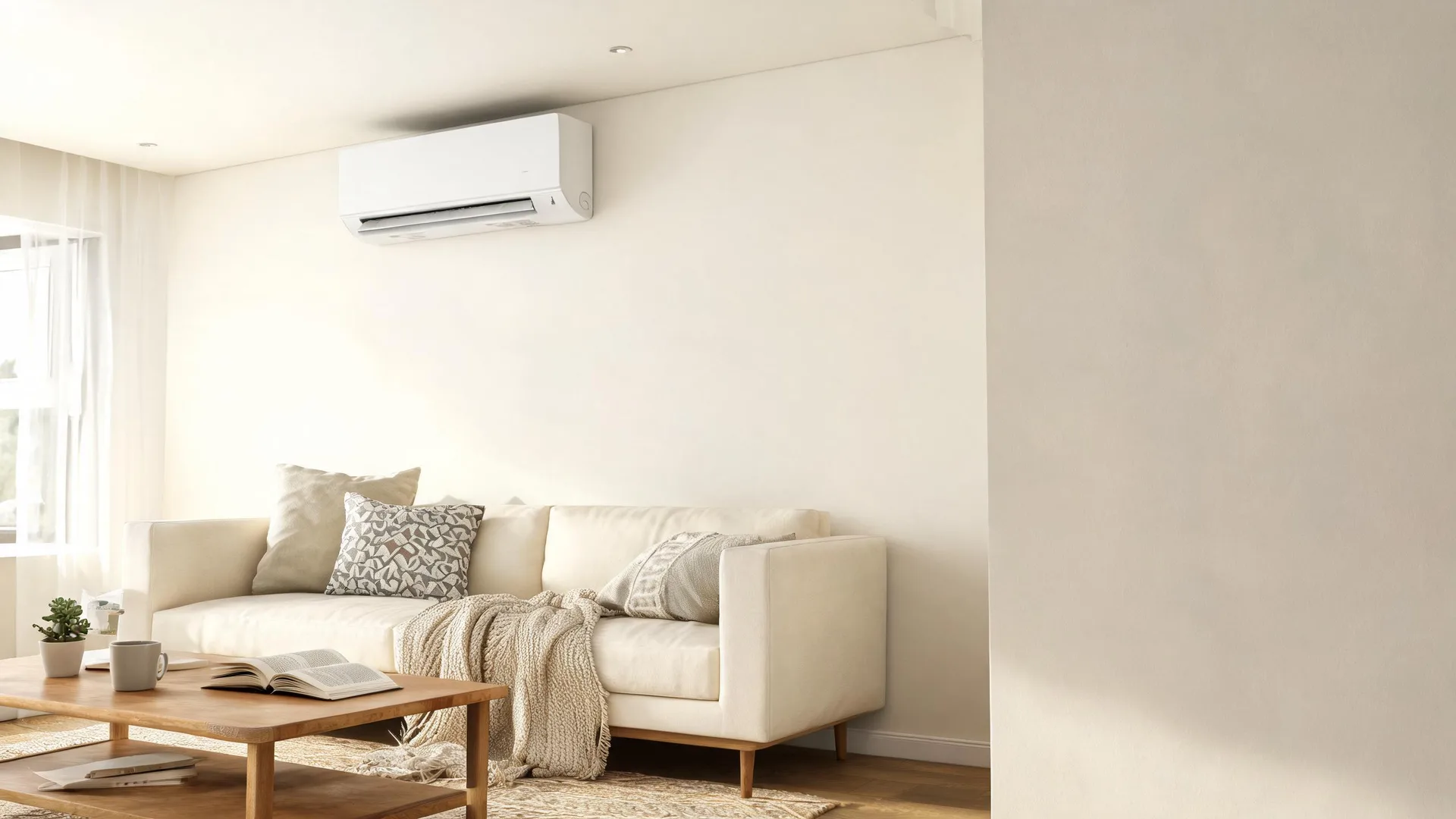
The outdoor unit and the indoor head have to connect through a wall, and how far that line set has to run, and what it has to pass through to get there, changes the job. A straight shot through an exterior wall is quick work. Routing around framing, up through a chase, or across a longer distance than planned means more line set, more mounting, and more time on the ladder. This is usually the part that's hard to price until someone's looked at the room.

Ask what the quoted number actually covers. A low bid on equipment can hide a short line set run or a basic mounting job that doesn't match your wall. Ask whether the outdoor unit has enough clearance to breathe on all sides, since a condenser crammed against a fence or buried in snow drift works harder than it should. Ask who sets the refrigerant charge and how, because a charge that's off by even a little costs you efficiency for the life of the system. Ask what happens to the line set where it passes through the wall, whether it's sealed and insulated the full length, not just at the ends. And ask for the specific indoor head model, not just a brand name, since the same brand sells units with very different capacities and sound levels.

Installation starts outside, with the contractor picking a spot for the outdoor unit that gives it room to breathe on all sides and a clear path to drain. Inside, the indoor head gets mounted high on the wall, on a bracket set level so condensate drains the right way. Then comes the hole through the wall for the line set, the refrigerant lines, the power wire and the drain tube all bundled together and run from indoor head to outdoor unit. The lines get connected, and the system is evacuated with a vacuum pump to pull out air and moisture before any refrigerant moves through it. That step matters more than people expect, since trapped moisture in the lines causes problems years down the road, not on day one. Once the vacuum holds, the charge gets set, the system gets powered up, and the tech checks temperatures at the head to confirm it's cooling or heating the way it should before calling the job done.