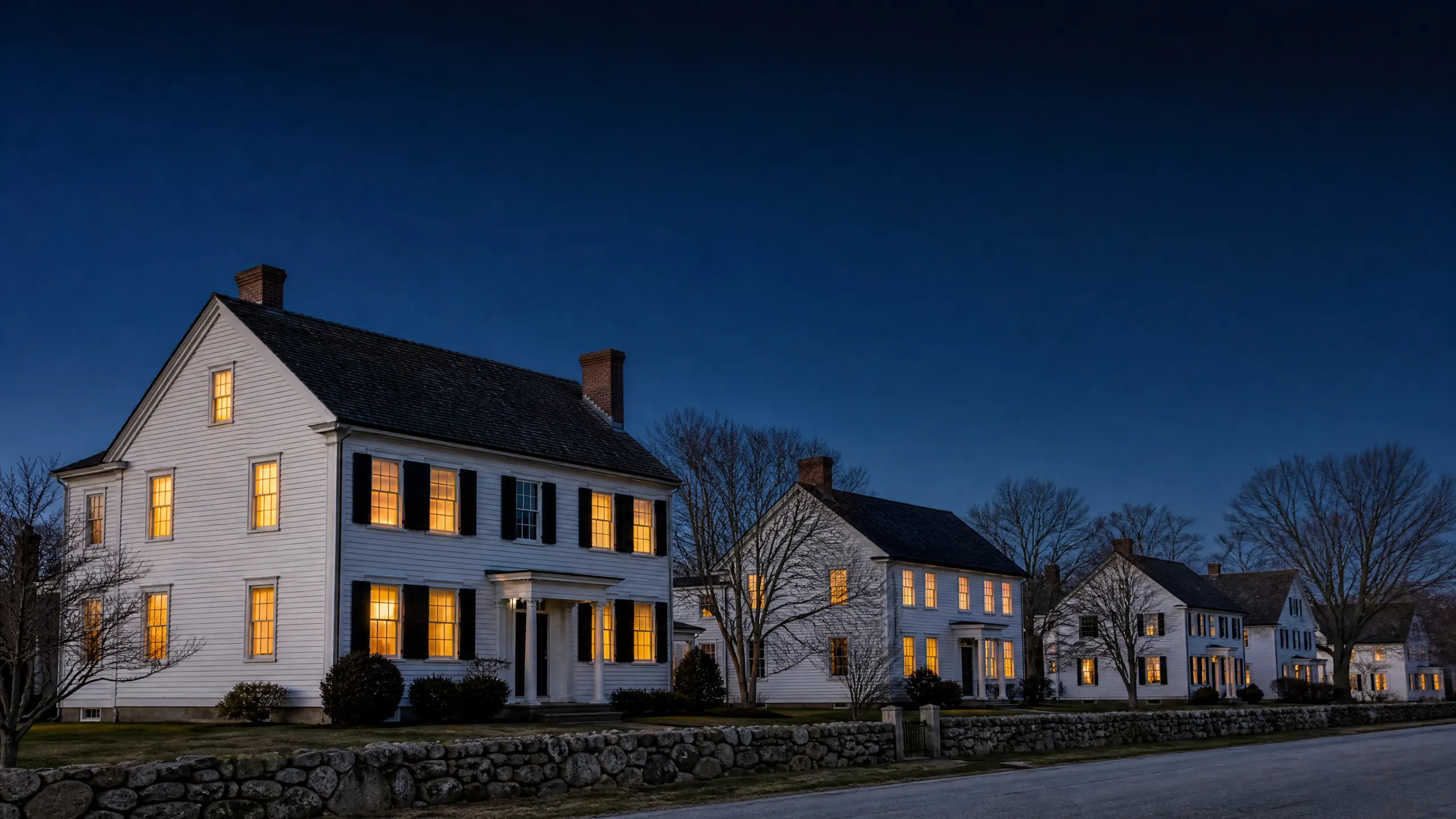
A row of illuminated white colonial houses with black shutters and a stone wall along a road at dusk.

Boiler Installation in Erie, PA

Tell us about the job

Takes about a minute. No obligation.

Step 1 of 3: Equipment

Ask what size the old boiler was, not what size it should be

A contractor should size the new boiler off a heat loss calculation for the house, not just match the old one. Boilers get oversized more often than not, and an oversized boiler short cycles, wearing out its parts faster and never running long enough to feel efficient.


Ask how it vents and where the venting runs

Newer high efficiency boilers vent through PVC pipe out a side wall instead of up a chimney. That changes where the unit can go and what the installer has to run to get it there. Get clear on the venting plan before comparing prices, since two bids can look similar and cover very different amounts of work.

Boilers in Erie County run eight months out of the year, October through May.

A new boiler here spends most of the year working, so sizing it right matters more than it would somewhere milder.

Most Erie County homes run on gas. A new boiler should match that.

78% of homes heat with gas
Heat runs October through May
Winter nights average 20°F
Get it installed before OctoberHeat goes on in October here, and stays on through May.

Erie County falls in climate zone 5A, a cool zone where heating carries most of the load. Any gas-fired boiler installed here has to turn at least 84 percent of the gas it burns into heat over the winter. That standard applies to boilers built from January 15, 2021 on, so it covers what's currently on the market. It rules out the lower-efficiency models some installers used to offer as the budget option. A contractor installing a new system here should already be quoting from the units that clear this bar.

Size it for eight months of work, not the showroom floor

Eight months of run time a year wears parts down faster than a mild climate ever would. Get the new boiler sized off a heat loss calculation, not the old unit's rating, and it will carry that load without the short cycling that cuts a system's life short.

Find a contractor
A man in a cap, dark long-sleeve shirt and tan work pants climbs porch steps toward a blue front door, carrying a waxed canvas tool bag with tools visible inside.

The rating is measured, not guaranteed

The AFUE number on the label comes from a standard test, burning fuel under set conditions and measuring how much heat ends up in the house versus going out the flue. It tells you what the boiler is capable of. What it actually delivers depends on the piping, the venting, and whether the system was sized and set up right. A high rating on the label does not fix a boiler that is oversized or poorly installed.

A higher rating changes how the boiler is built

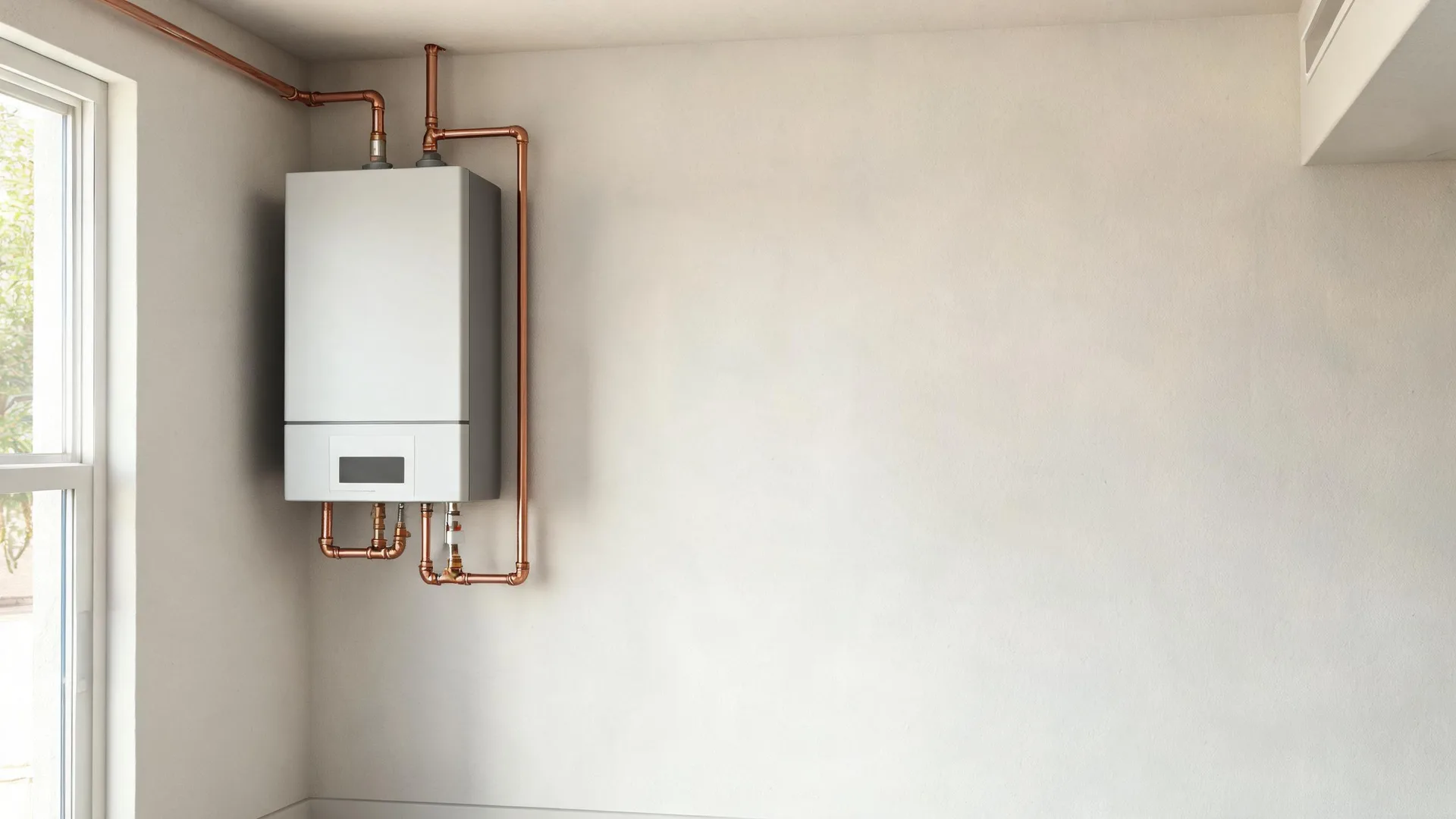
To hit the higher efficiency numbers, a boiler has to pull more heat out of the exhaust before it leaves, which means condensing the flue gas instead of just venting it hot. That takes a different heat exchanger and a drain for the condensate, and it vents through plastic pipe instead of a metal flue. It is a different kind of machine inside, not just a tuned-up version of the old one.

The old boiler does not need to be useful to anyone else when it comes out. Most are scrapped for the cast iron and steel in them, not resold or reinstalled. A contractor disconnects the gas line and the supply and return piping, drains what's left in the system, and cuts the unit free from the flue or vent pipe. If it vented through a chimney, that chimney may need a liner afterward, since a new high efficiency boiler won't be using it and an oversized, unused flue can cause its own problems with moisture. The old wiring and controls usually get pulled too, not just left behind for the new system to work around. None of this is salvage work. It's clearing the space so the new boiler goes in clean, with piping and venting built for what it actually needs rather than patched into what the last one left behind.

Half the homes in Erie County were built in 1964 or earlier. A house that age wasn't necessarily built with the piping a modern boiler expects. Radiators, baseboard loops, and the pipe sizes feeding them were often laid out for whatever boiler came with the house decades ago. A new boiler has to work with that existing system, not replace it wholesale, so the install involves checking what the piping can handle rather than just swapping the unit at the end of it. None of that shows up from the street. It's worth asking the contractor to look at the full system, not just the boiler itself, before settling on what goes in.