Oil heats most homes here
Fuel oil or kerosene heats 49% of occupied homes in Bedford County, more than any other fuel. Electricity comes next at 26.5%, and utility gas barely reaches homes here at 4.1%.
Takes about a minute. No obligation.
Fuel oil or kerosene heats 49% of occupied homes in Bedford County, more than any other fuel. Electricity comes next at 26.5%, and utility gas barely reaches homes here at 4.1%.
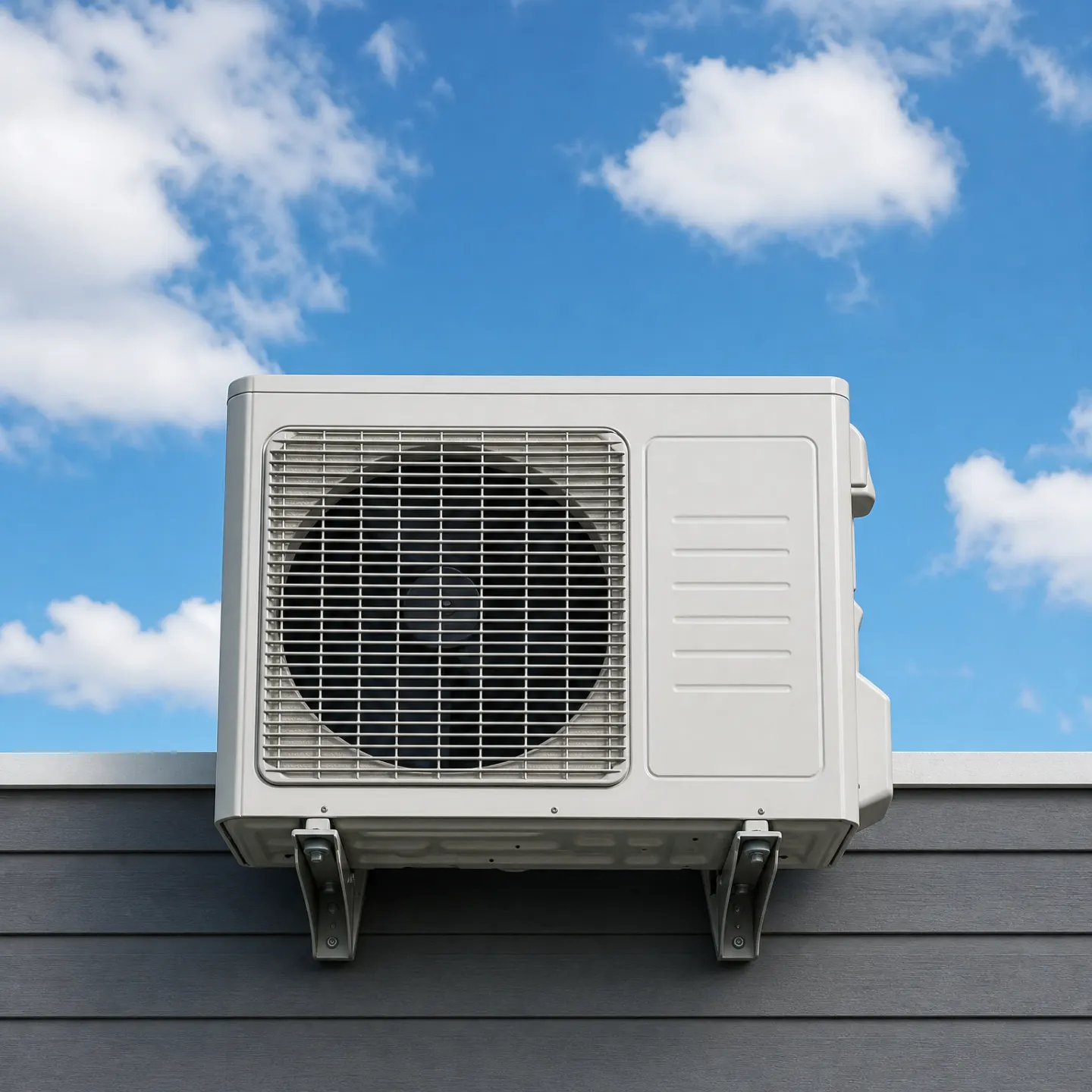
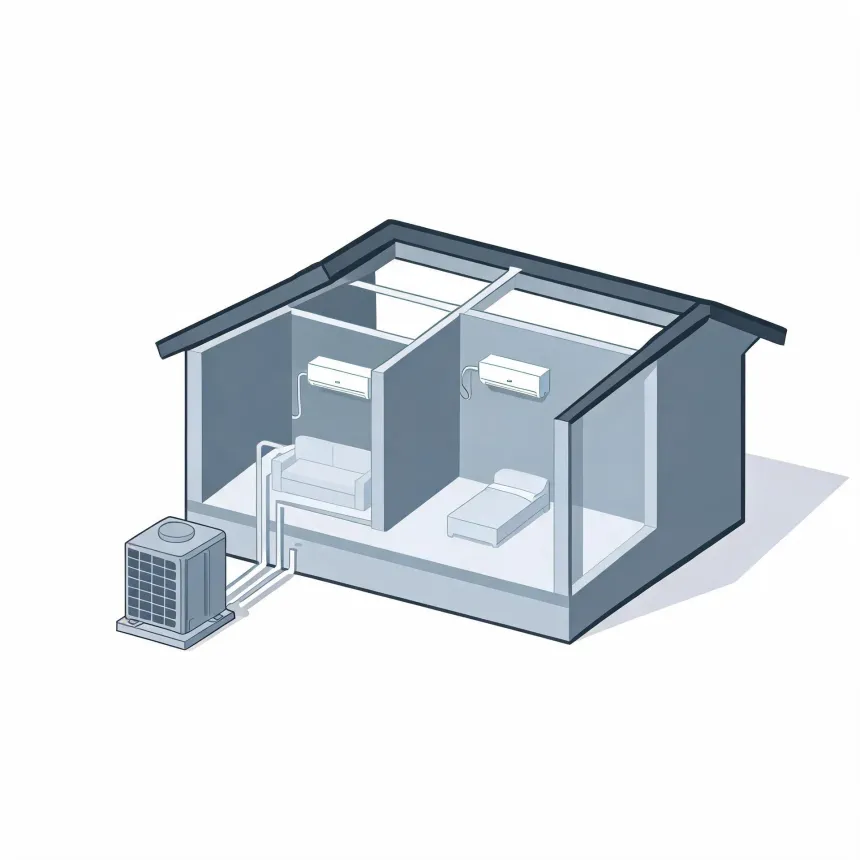
A mini split does not need a gas line, and it does not touch the oil furnace or its tank. It runs on electricity alone, so it can go in alongside whatever already heats this house, for the rooms that need it.
NOAA nClimDiv, 1991–2020 normals
Half the homes in Bedford County were built in 1971 or earlier.
A mini split going into a house that age has to work with whatever wiring and wall construction that house has, not the plans for a new one.



A standard mini split sized for the room is the right call here, nothing bigger. Pennsylvania runs 17.77 cents per kilowatthour for electricity, and a unit sized to the space will keep that bill reasonable since it is only running the compressor as hard as the room actually needs. Oversizing doesn't heat or cool the room faster, it just cycles on and off more and wears the parts that start it up. The brand and efficiency tier matter less than getting the size right for the square footage and the windows in that room.
Cooling in Bedford County starts in June and runs through August, three months in all. May is the month to have it installed, so it's already running before the first warm week instead of getting set up during it.
Find a contractor
Before anything gets installed, have the contractor walk the wall where the indoor unit goes and the path to the outdoor unit. On a house from that era, the line set has to route through whatever framing and siding are actually there, not a layout drawn up for new construction. If the electrical panel is original to the house, ask whether it has room for a new circuit before install day, not after.
The number on the label is a ratio, how much heat gets moved for the electricity put in over a season of use. It says nothing about how big a space the unit can handle. A high rating on a unit that's the wrong size for the room still runs harder than it should, cycling more and costing more than the label implies.
A mini split earns its SEER2 number in a lab, with the line set run to spec, the charge correct, and the indoor and outdoor units matched as a pair. Get any of that wrong on install day, a kinked line set or a low charge, and the system will never hit the number on its label. The install decides whether that rating means anything at all.
Get quotes for the same thing before comparing prices. Ask each contractor to do a load calculation for the specific room, not a guess based on square footage alone, since window size and ceiling height change what the room actually needs. Ask what size line set the job needs and how long the run is, because a longer run or extra elevation can call for a different size than the unit's default kit. Ask whether the quote includes a new electrical circuit or uses one that's already there, since that changes what the install day looks like. And ask who commissions the system afterward, checking the charge and airflow once it's running, because that step is what makes the rest of the install worth anything.
Install day starts outside, mounting the bracket for the outdoor unit on a pad or wall bracket where it won't sit in standing water or get buried in whatever falls from the roof above it. Indoors, the installer mounts the indoor unit high on the wall, levels it, and drills through for the line set, the refrigerant lines, the condensate drain, and the electrical wiring that all run together through that one hole. The line set gets connected at both ends, then the whole system gets pulled down to a vacuum to clear out moisture and air before any refrigerant moves through it. That vacuum test matters more than almost anything else that happens that day, since trapped moisture in the lines is what corrodes a system from the inside over years of use. Once the vacuum holds, the refrigerant valves open, the charge gets checked against what the line length calls for, and the system runs through both heating and cooling to confirm the indoor and outdoor units are talking to each other correctly. The condensate drain gets tested last, running water through it to make sure it clears the unit instead of backing up into the wall.