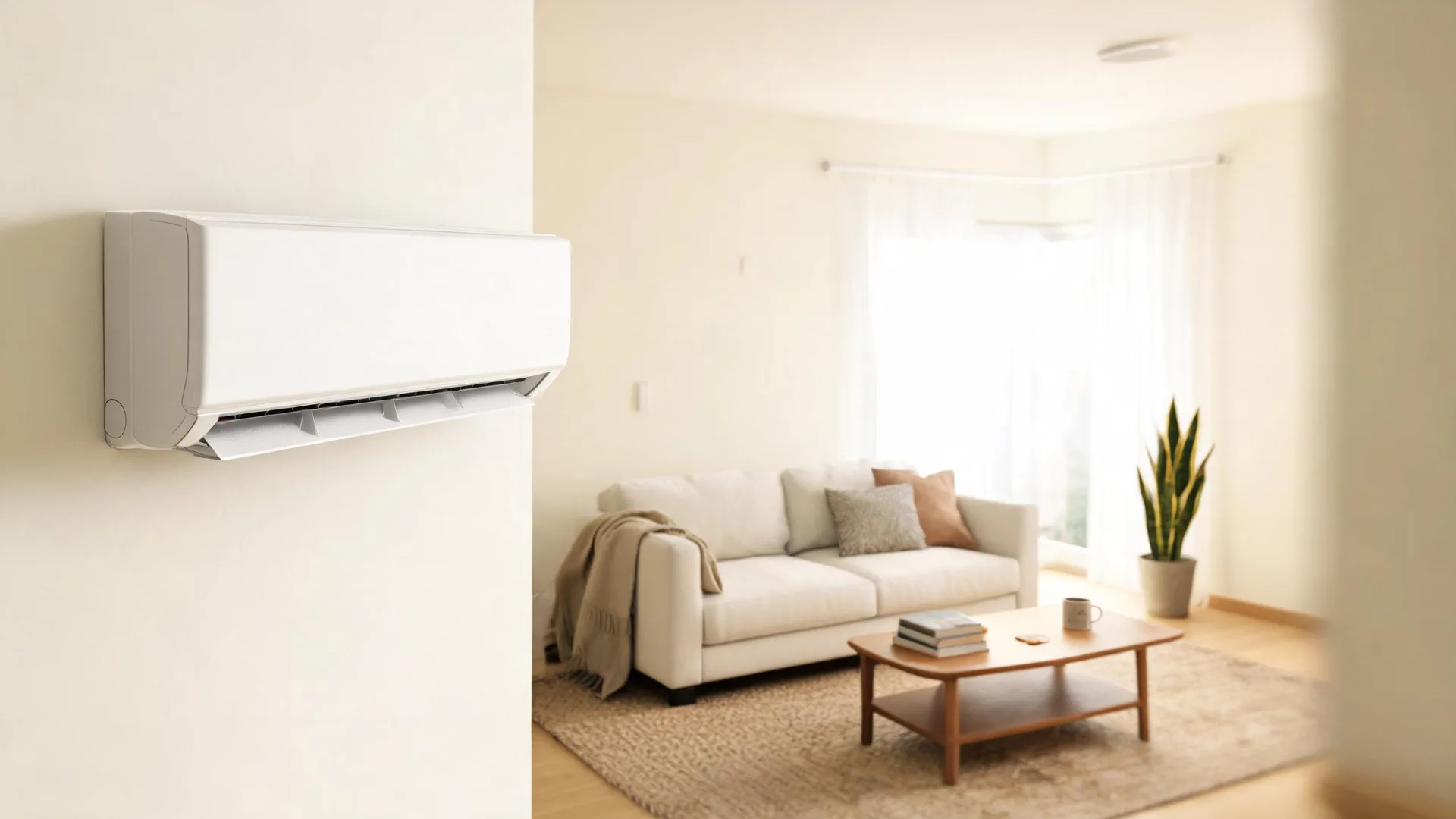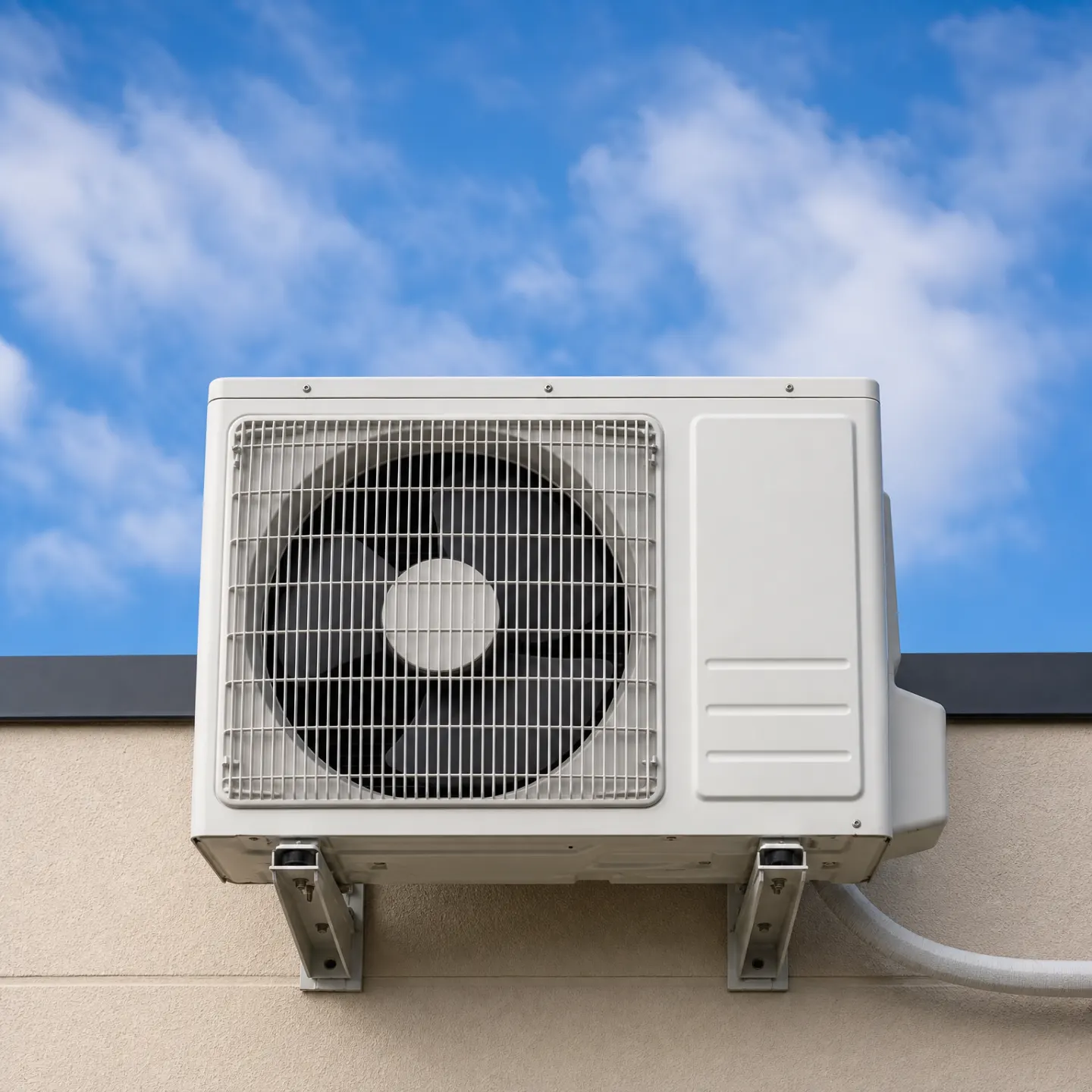
Most homes here run on oil or kerosene
More homes in Somerset County heat with fuel oil or kerosene than with anything else, at 36.9%. Gas utility service reaches 20.7%, and electricity heats 18.5%.
Takes about a minute. No obligation.
More homes in Somerset County heat with fuel oil or kerosene than with anything else, at 36.9%. Gas utility service reaches 20.7%, and electricity heats 18.5%.
If your house heats with oil, a mini split gives you cooling and a second heat source without touching the furnace or the tank. It can carry the load on milder days and let the oil furnace handle the coldest stretch.
NOAA nClimDiv, 1991–2020 normals
Half the homes in Somerset County were built in 1964 or earlier.
An older house can still take a mini split, but the install has to work with the walls and rooms you actually have, not a standard layout.




A mini split here doesn't need to be oversized or built to any special spec. Somerset County sees its share of rough weather, including 110 damaging wind events and 27 winter storms in the past decade, but none of that changes what the unit itself has to do. Wind and ice threaten power lines and roofs, not the sizing of a heat pump. A standard outdoor unit, mounted and secured the way any installer would do it, holds up fine. The bigger question for your install is the layout of your house and the heat source it's working alongside, not the weather outside.
Cooling here only runs about two months a year, July and August, with afternoons averaging 78°F. That's light work for any system. A mini split doesn't need to be oversized to handle it, and the lighter load means a correctly sized unit will hold up well over time.
Find a contractorA compressor that cycles on and off all day, every day, wears differently than one that runs long and steady. Mini splits are built to modulate, slowing down to match the load instead of shutting off and restarting. That's easier on the compressor than the start-stop cycle of older equipment. Ask what maintenance the system needs between seasons, since a clogged indoor filter or a dirty outdoor coil makes the unit work harder for the same result, and that habit matters more than any spec sheet. Ask how the contractor accounts for idle months too. A system that sits unused for long stretches still needs the line set and connections sealed right, so nothing leaks or corrodes while it's off. None of that shows up in a brochure. It shows up in whether the unit still runs clean years in.
A contractor works out how much heat each room loses in winter and gains in summer, based on the square footage, the windows, the insulation, and the walls facing outside. That number points to the right size. Going by square footage alone, or a rule of thumb from a different house, skips the part that actually matters.
A unit too big for the room cools the air fast and shuts off before it pulls the moisture out, so the room feels cold and damp instead of comfortable. It also cycles on and off more, and that short cycling wears the compressor harder over the years than running steady would. Bigger is not a safety margin here, it's a different problem.
Whatever heated the house before, whether that's an oil furnace, a wood stove, or baseboard units, usually stays right where it is. Taking it out is a separate decision from adding a mini split, and most homeowners don't make it at the same time. The old system keeps doing the coldest-weather work it was already doing, and the new one covers the rest. If the old equipment still runs fine, there's no mechanical reason to pull it just because a mini split is going in. The only time it comes up during install is if a wall unit or duct run from the old system sits exactly where the new line set or indoor head needs to go. That's a placement question for the installer to work around, not a reason to replace anything before its time.
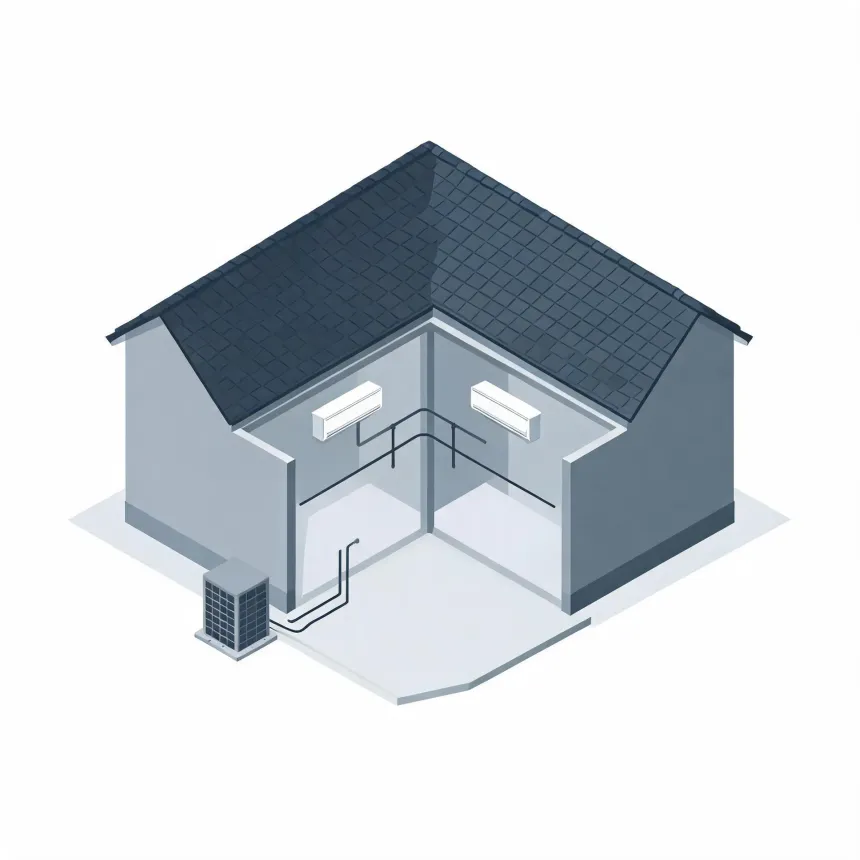
Cost on a mini split job comes down to how far the refrigerant lines have to run and how much of that run is hidden versus exposed. A short line set between the outdoor unit and one indoor head is a straightforward job. Add a second or third zone, and the labor stacks up fast, since each indoor head needs its own line set back to the outdoor unit, its own condensate drain, and its own power whip in most cases. Where the outdoor unit can sit also matters. A spot close to an exterior wall near the indoor head keeps the line run short. A spot far from the rooms being served means more line hidden in soffits or run through conditioned space, and more wall penetrations to seal up afterward. The electrical side can add work too, if the panel doesn't already have the capacity or the right breaker space for a new circuit. None of this is about the unit itself. A mismatched or awkward layout costs more to install than a simple one, regardless of which brand or model goes in.