
Your winter is the real question
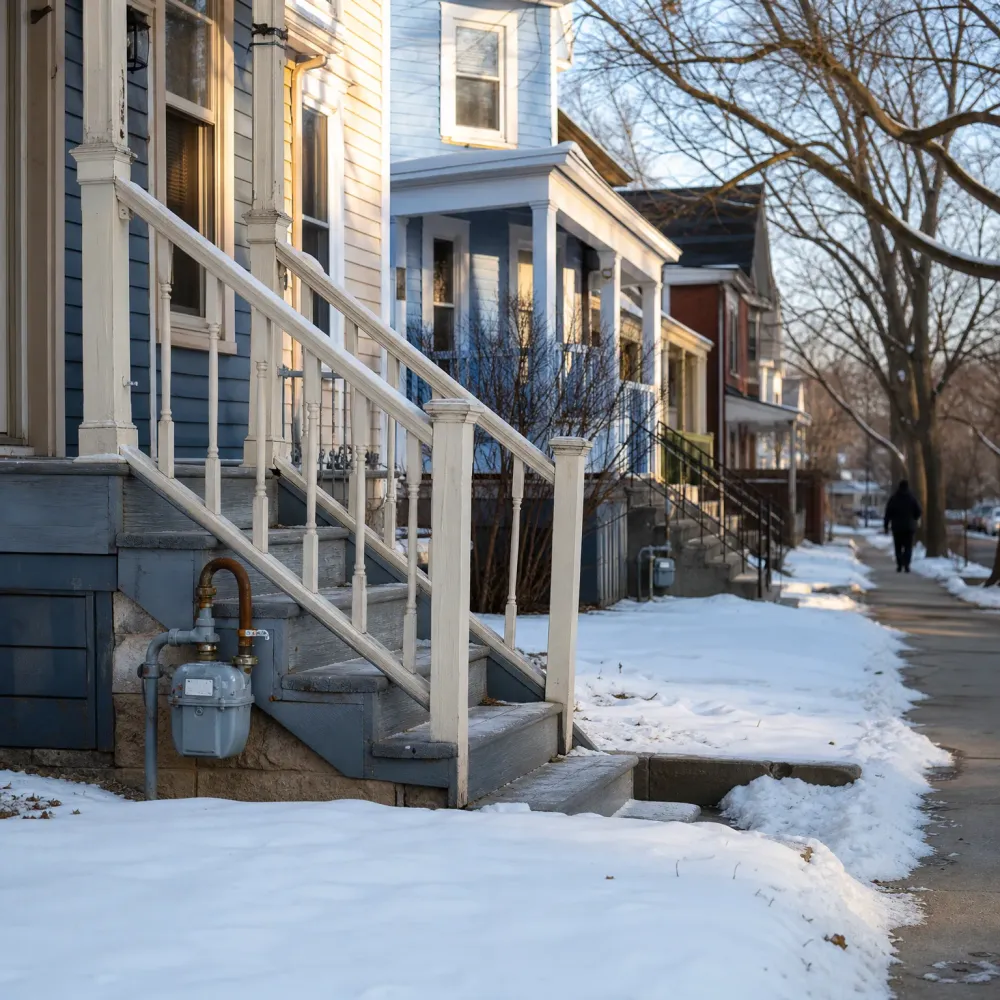
Heat runs eight months a year here, October through May. That is the season that decides this, not the three months of summer. The overnight low averages 24°F across December, January and February, and about 120 nights a year dip to freezing or below, roughly half the nights in that eight month stretch.
A standard heat pump starts falling short of its rated heat output once it's below 40°F outside, and below about 35°F it often needs backup heat to keep up. Your average winter night here, 24°F, is below both marks. So is every single one of those 120 freezing nights. That is not an occasional cold snap. That is most of a York County winter.
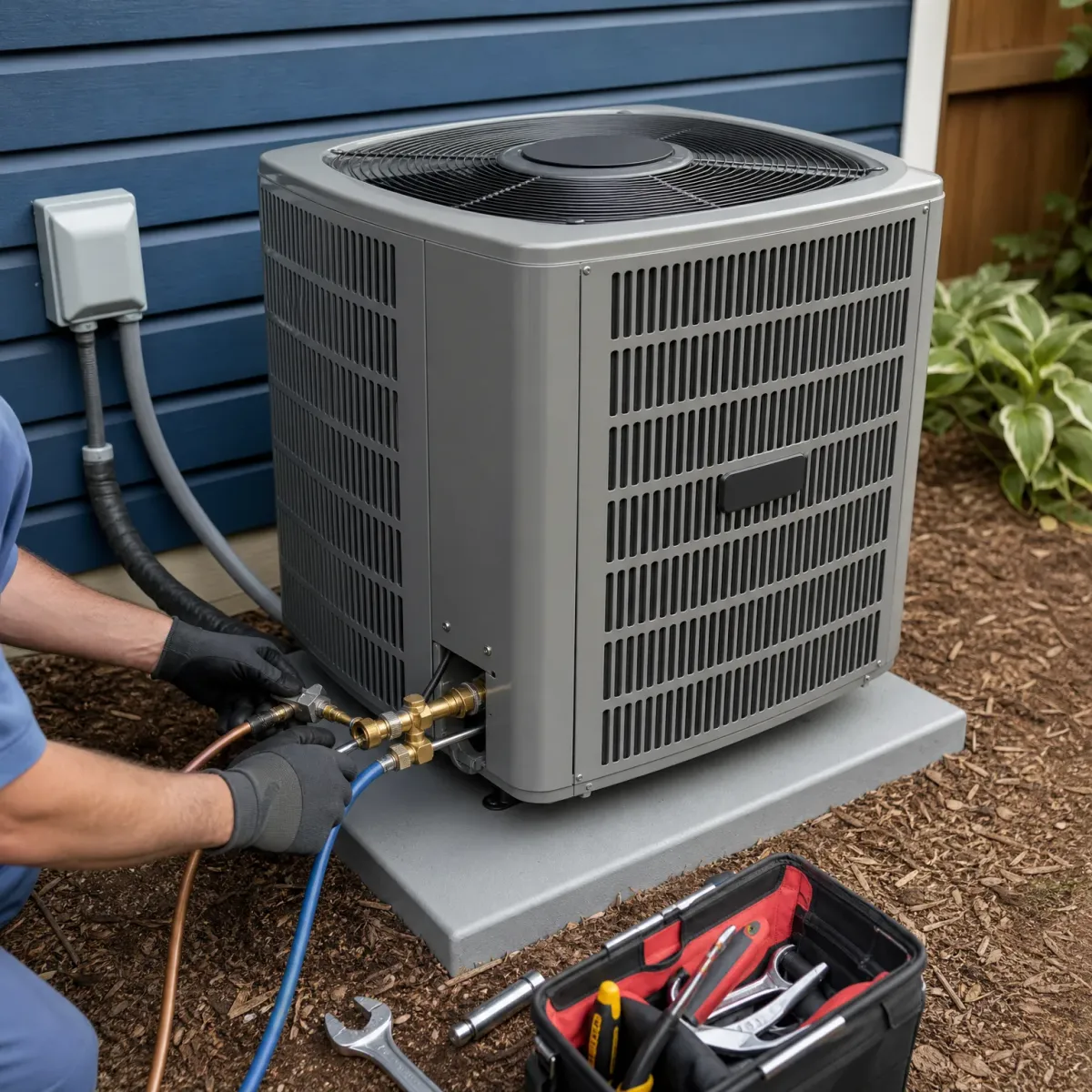
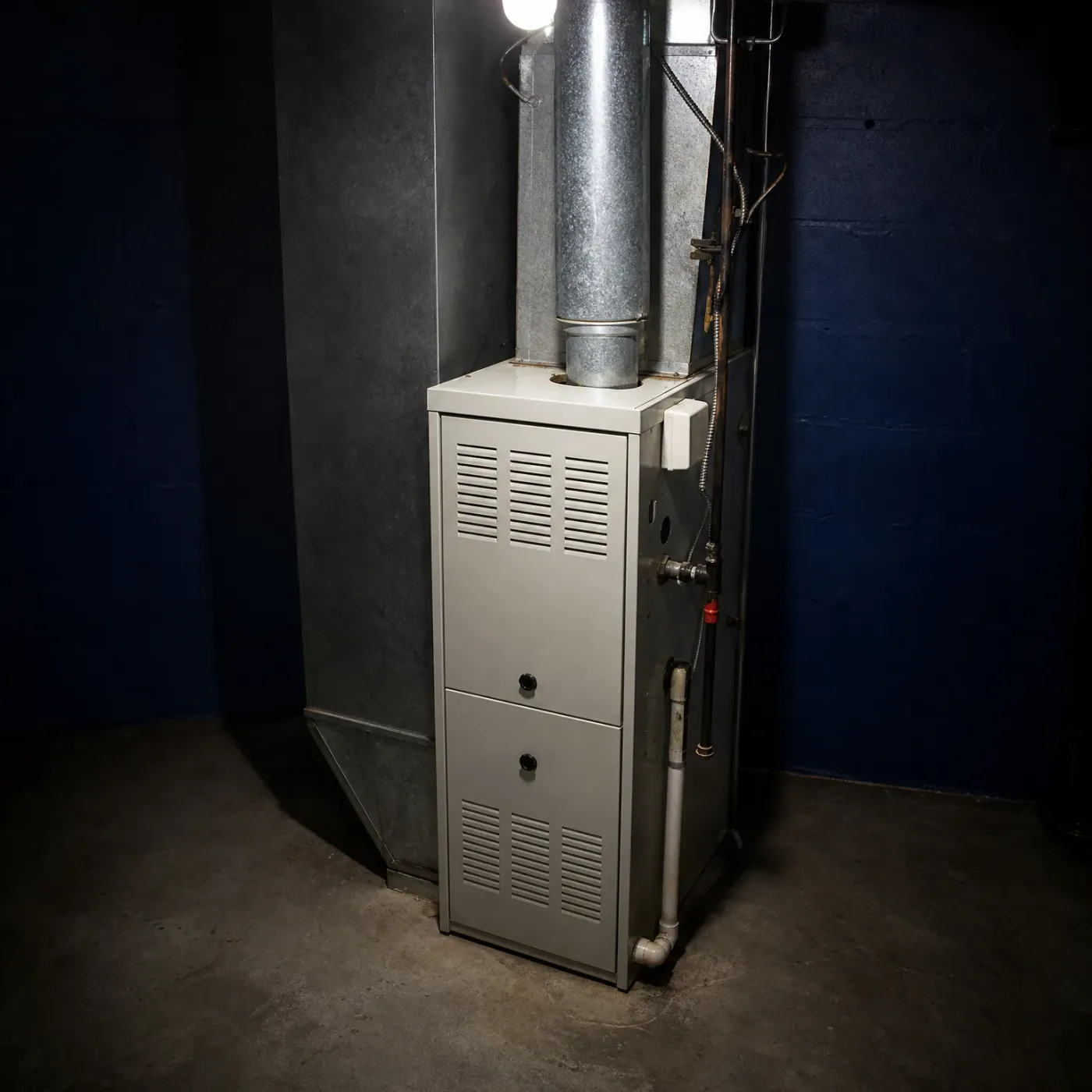
This does not rule out a heat pump. It means the heat pump you'd put in this house has to be the kind built for it, and the furnace behind it, if there is one, has real work to do most winter nights.
The other number worth knowing: nights at 0°F or below are rare here, about 2 a year. A cold-climate heat pump, the kind certified to hold 70 percent of its capacity and still turn out 1.75 units of heat per unit of electricity at 5°F, is built for nights colder than almost anything York County sees. A two-winter field test of these in occupied homes found backup heat carried only a small share of the load between 0°F and 35°F, and running on backup alone was rare even above 0°F. A standard heat pump without that rating is a different machine for this climate, and the 24°F average is its problem, not its exception.