

Heat pump vs furnace in Bucks County, Pennsylvania

Get a Replacement Quote

Installers who work on both

Which costs less to run in Bucks County?

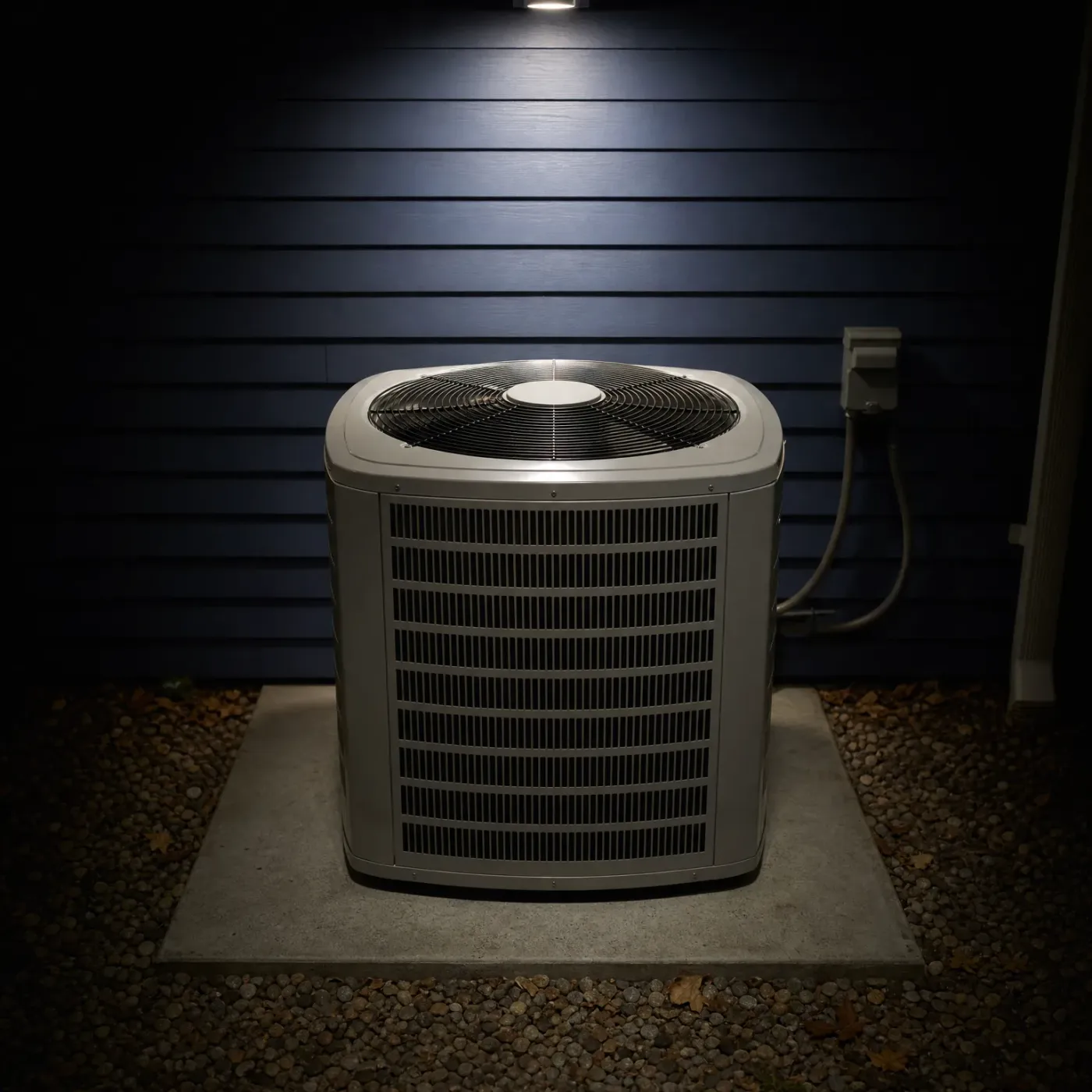
An outdoor air conditioner condenser unit on a concrete pad against a dark horizontal-siding wall at night, lit by an overhead light, with a wall-mounted disconnect box and conduit to the right and gravel with fallen leaves around the pad.

Heat pump

To heat your home here$2.37per 100,000 Btu

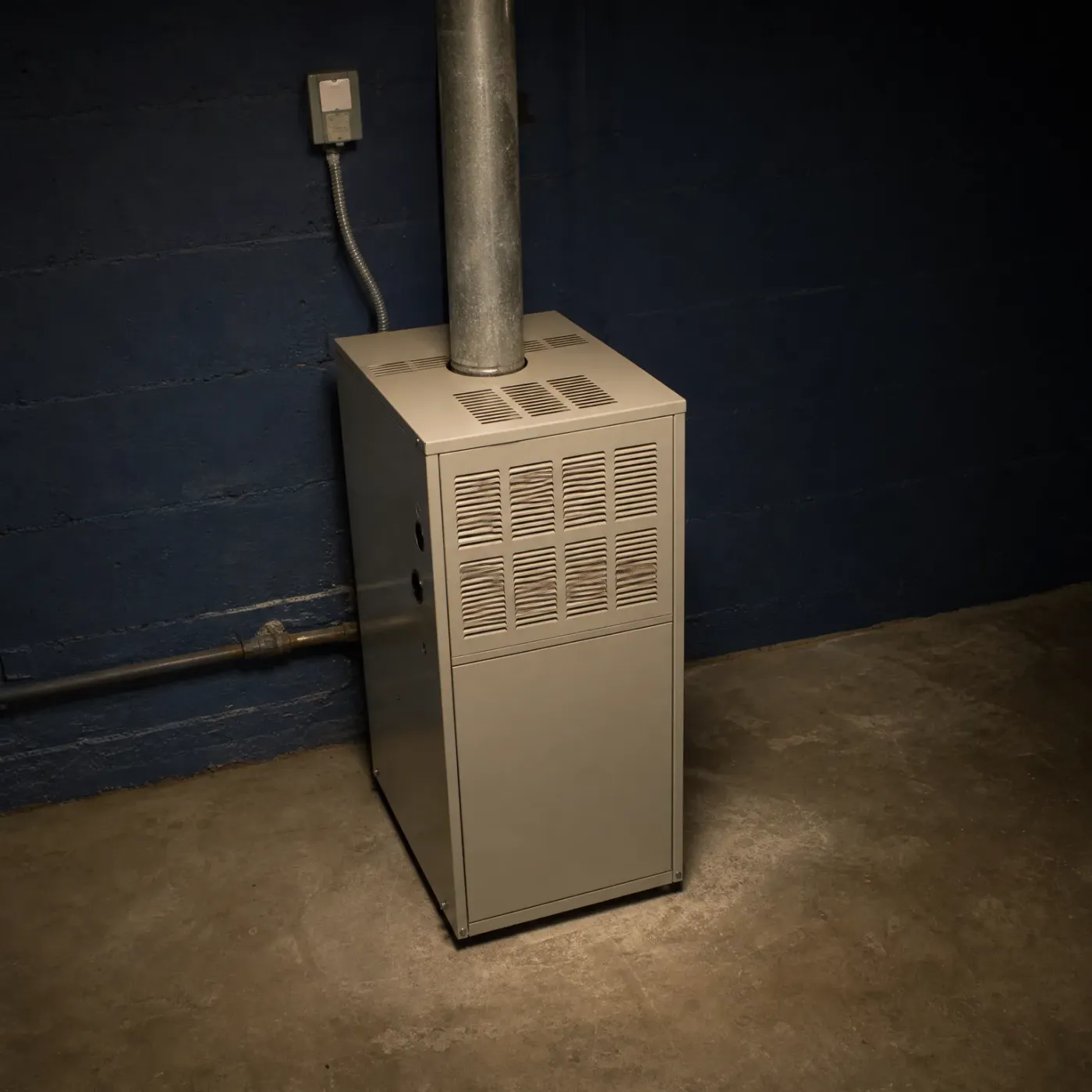
A beige sheet-metal furnace with louvered vent panels stands against a dark blue painted block wall in a basement, with a metal flue pipe rising from its top and a gas pipe and electrical box on the wall behind.

Furnace

To heat your home here$1.64per 100,000 Btu

At Pennsylvania's gas and electricity prices, a gas furnace makes the same heat as a heat pump for at least 30% less.

Btu stands for British thermal unit, the standard measure of heat energy.

Where does a heat pump shine?

  • Steady, even comfort

    Instead of short bursts of heat, it keeps a gentle, steady output going. The house stays at one comfortable temperature.

    A living room at dusk with a navy armchair holding an open book and a gray throw, a beige sofa with plaid and navy pillows, a lit table lamp by a window showing bare trees and snow, a golden retriever lying on a patterned rug, a wooden coffee table with a mug, a stone fireplace surround and a lantern candle.
  • No gas line, nothing burning in the house

    It moves heat instead of making it from fire. That means no combustion, no flue and no gas bill for heat.

    Kitchen with navy blue cabinets, light speckled stone countertops, white subway tile backsplash, stainless range hood and wall oven, a kettle on a cooktop, hydrangeas in a glass jar, a bowl of lemons, and wooden stools at an island.
  • Heats and cools in one system

    One machine handles the heat in winter and the cooling in summer. There's no second system to buy or keep up.

    A living room with a cream sofa, blue pillows and a fringed blue throw beside a large blue-framed window looking onto a green garden, with a stone fireplace, wooden coffee table holding apples, a mug and white hydrangeas, and blue built-in shelves.

Where does a furnace shine?

  • Proven, simple, easy to get serviced

    The design is simple and well understood. That keeps service calls short.

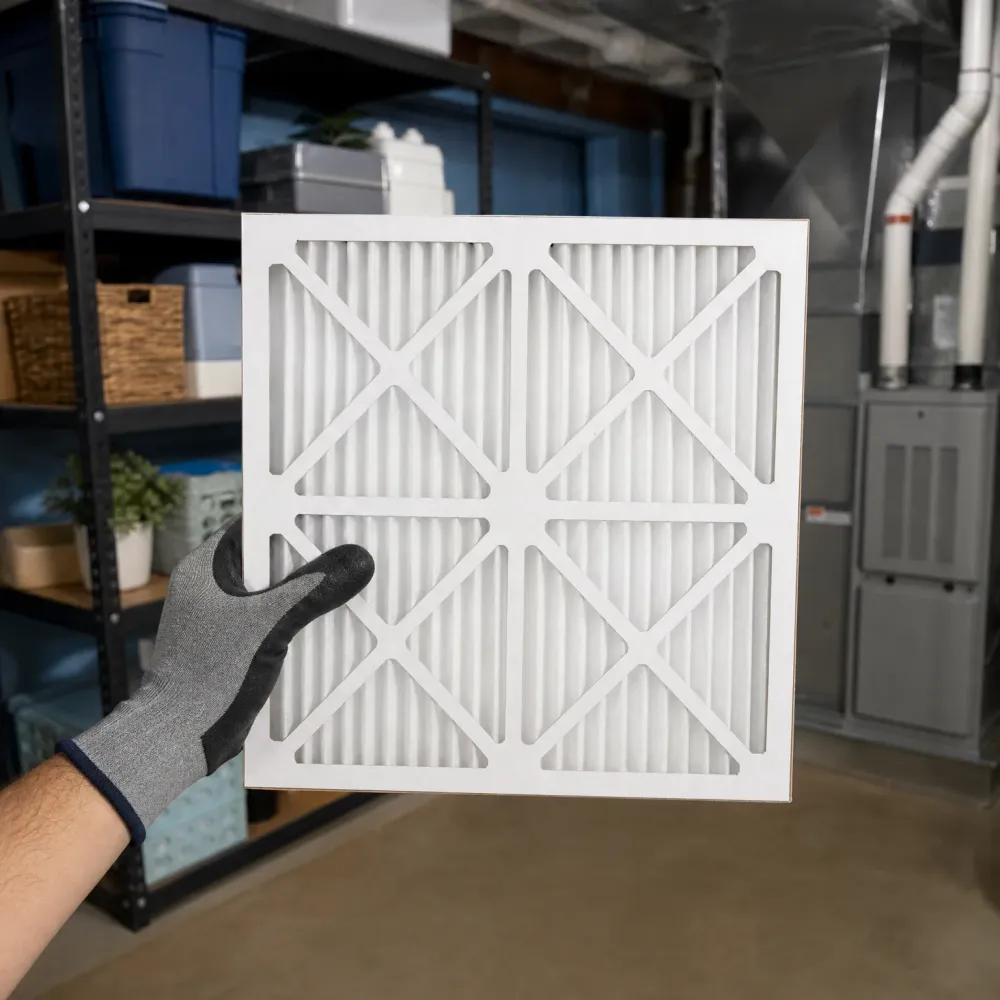
    A gloved hand holds a square pleated air filter in a basement with metal shelving, storage bins, ductwork and a furnace in the background.
  • Pairs with any central AC

    A furnace's blower and ducts carry cooled air too. Adding central AC uses the same system.

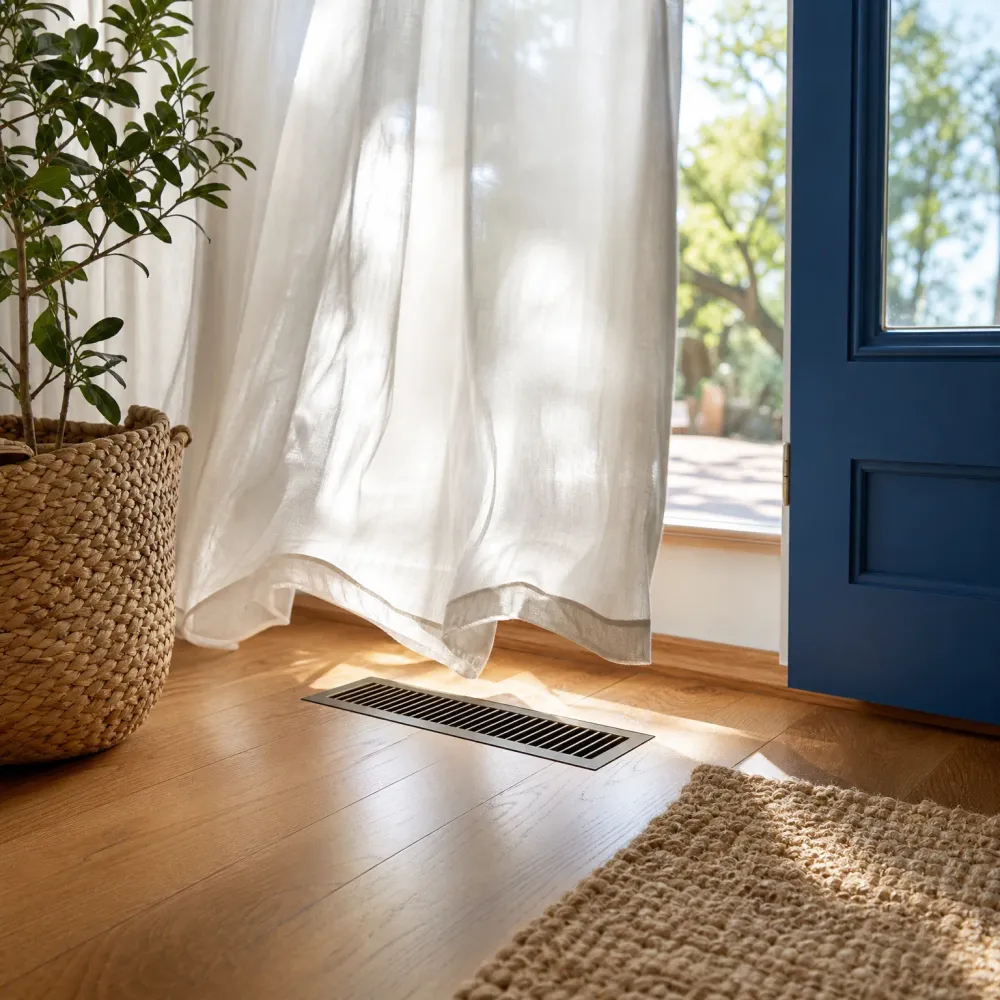
    A linear metal floor vent set in a wood plank floor near an open blue door, with a sheer white curtain, a woven basket holding a plant, and a woven rug.
  • Fast, strong heat on demand

    A furnace pushes out hot air within minutes of switching on. A cold house warms up fast.

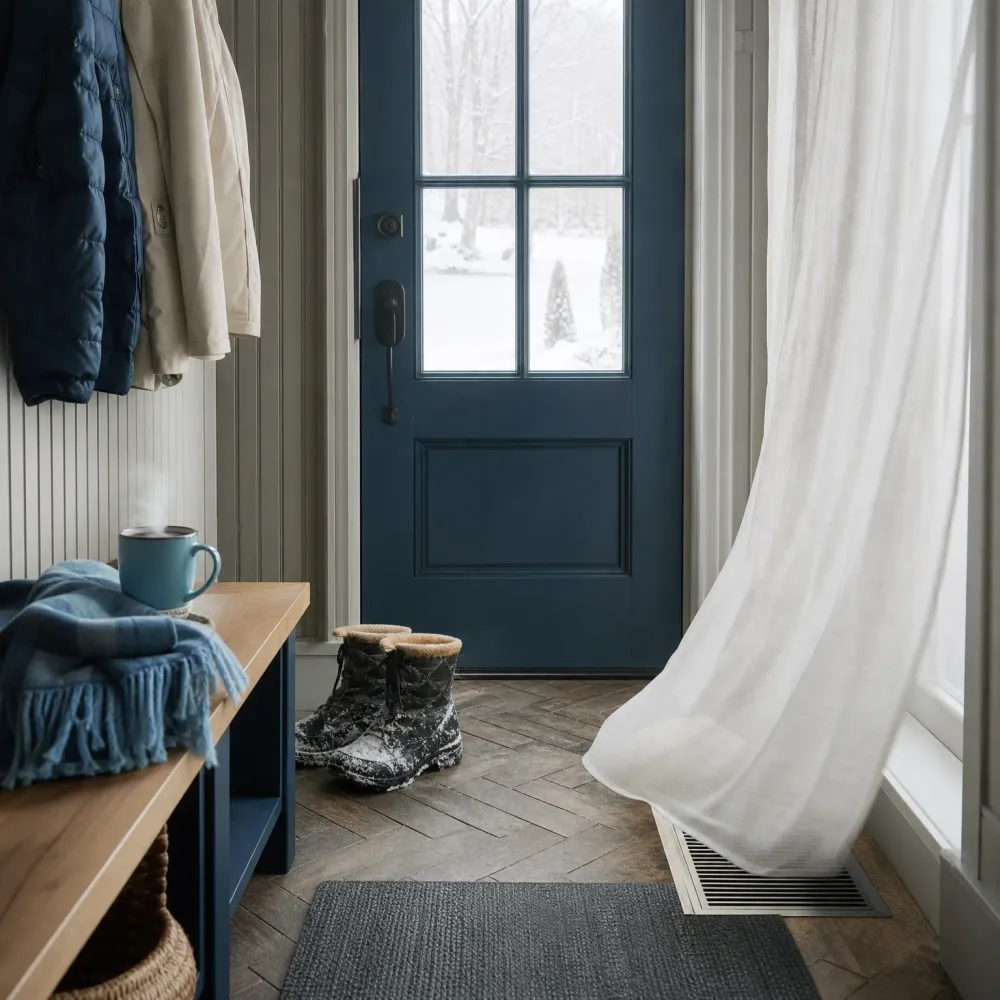
    Entryway with a navy glass-paned door showing snow outside, snow-dusted boots on herringbone wood floor, a wooden bench with blue throw and steaming mug, hanging coats, a sheer white curtain, and a floor air vent.

What winter here does to a heat pump

Winters in Bucks County average 24°F overnight through December, January and February, and the low falls to freezing or below on about 110 nights a year. A standard heat pump starts falling short of its rated heat output below 40°F, and often needs backup heat below about 35°F. Every one of those 110 cold nights here falls under both marks.

That does not mean the heat pump quits. It means it is working below its rating for most of the winter, not just on the rare brutal night. Only about one night a year here drops to 0°F, so the deep cold is not the issue. The ordinary night in the 20s and low 30s, repeated for months, is.

A heat pump carrying the ENERGY STAR Cold Climate label is tested to hold at least 70 percent of its 47°F heating capacity down at 5°F, and still make at least 1.75 units of heat for every unit of electricity at that temperature. A field test of prototype cold climate heat pumps over two winters found backup heat covering only a small share of the load between 0°F and 35°F, and the units rarely ran on backup alone even near 0°F. A standard heat pump has not been tested to that same standard. If a heat pump is the choice here, whether it carries that rating is worth asking an installer about directly.

A gas furnace does not have this problem. It delivers its full rated heat whether it is 40°F outside or 10°F, because it burns fuel rather than pulling warmth out of cold air. Heat runs about eight months a year here, October through May, so how a system performs on an average winter night matters more than how it performs on the coldest night of the year.
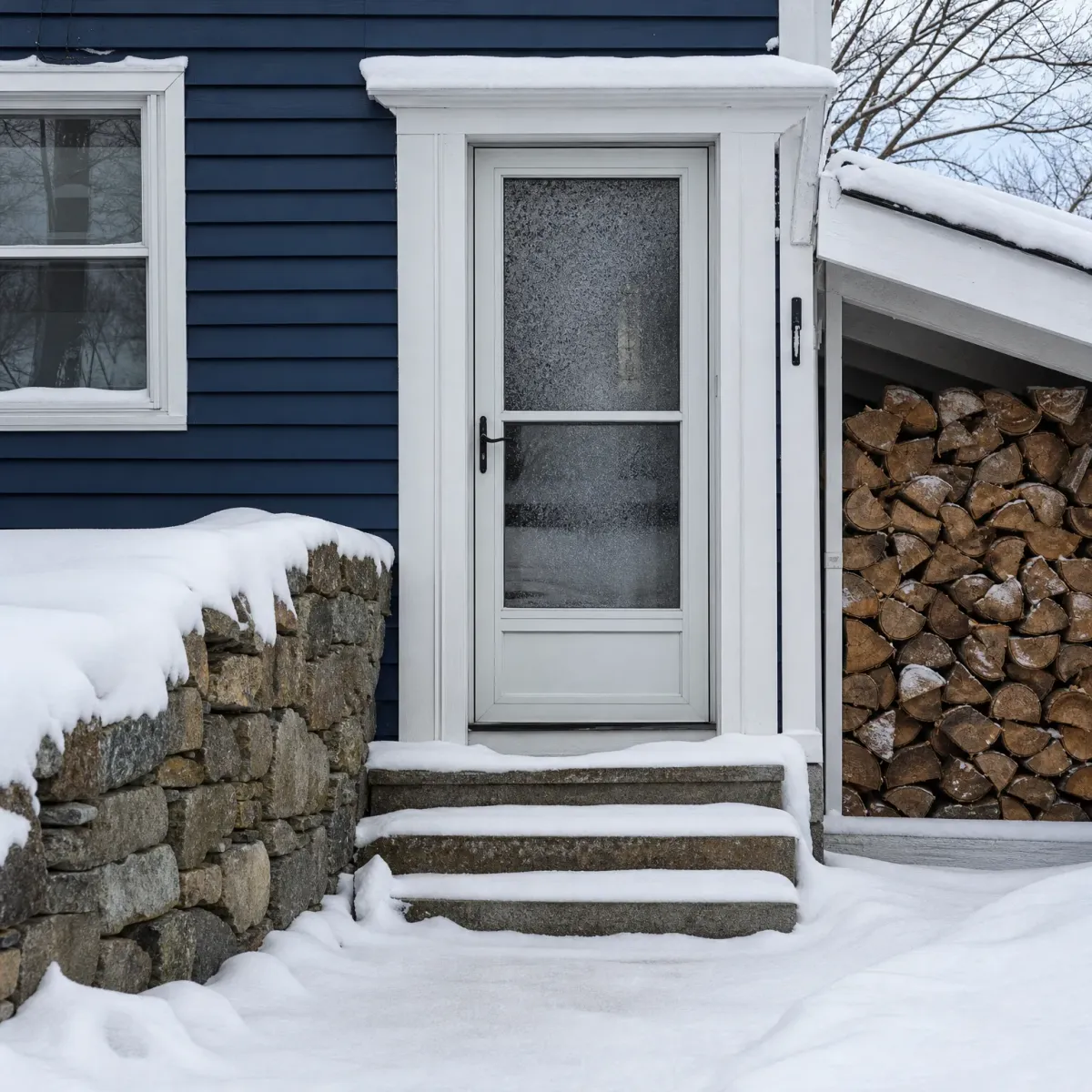
Snow-covered granite steps lead to a white storm door on a dark blue clapboard house, with a stacked stone wall at left and a lean-to shed full of split firewood at right.

What it costs to run, and what it means for summer

At Pennsylvania's current prices, a gas furnace built to the federal minimum makes 100,000 Btu of heat for $1.64. A heat pump built to the same federal minimum makes the same heat for $2.37. An oil furnace costs more than either, at $3.03. Gas is cheapest to run here, the heat pump comes in second, and oil is the most expensive of the three.

That heat pump figure assumes no backup heat is needed. Given how much of the winter here sits below the 35°F and 40°F marks, a standard heat pump will likely cost more to run than that figure suggests, since backup heat adds to the bill on top of it.

Gas already heats more homes in Bucks County than any other fuel: 37.7 percent, against 30.9 percent for electricity and 23.6 percent for oil. If a house already has a gas line, a furnace runs off infrastructure that is already the most common choice in the county.

Summer is where the heat pump has no competition from a furnace. It cools as well as it heats, in one system, for the three months here, June through August, when the afternoon high averages 84°F. A furnace does nothing in those months and still needs a separate central air system to cover them. That is the trade to weigh: a furnace that costs less to run across eight months of heat but does nothing for three months of cooling, against a heat pump that costs more on an average winter night but covers both seasons in one machine.

Sources: NOAA nClimDiv · NOAA 1991–2020 seasonal normals · PNNL Building America guide · PNNL-37127 field study · ENERGY STAR product criteria · Census ACS 2020–2024 · EIA SEDS 2024 · 10 CFR 430.32

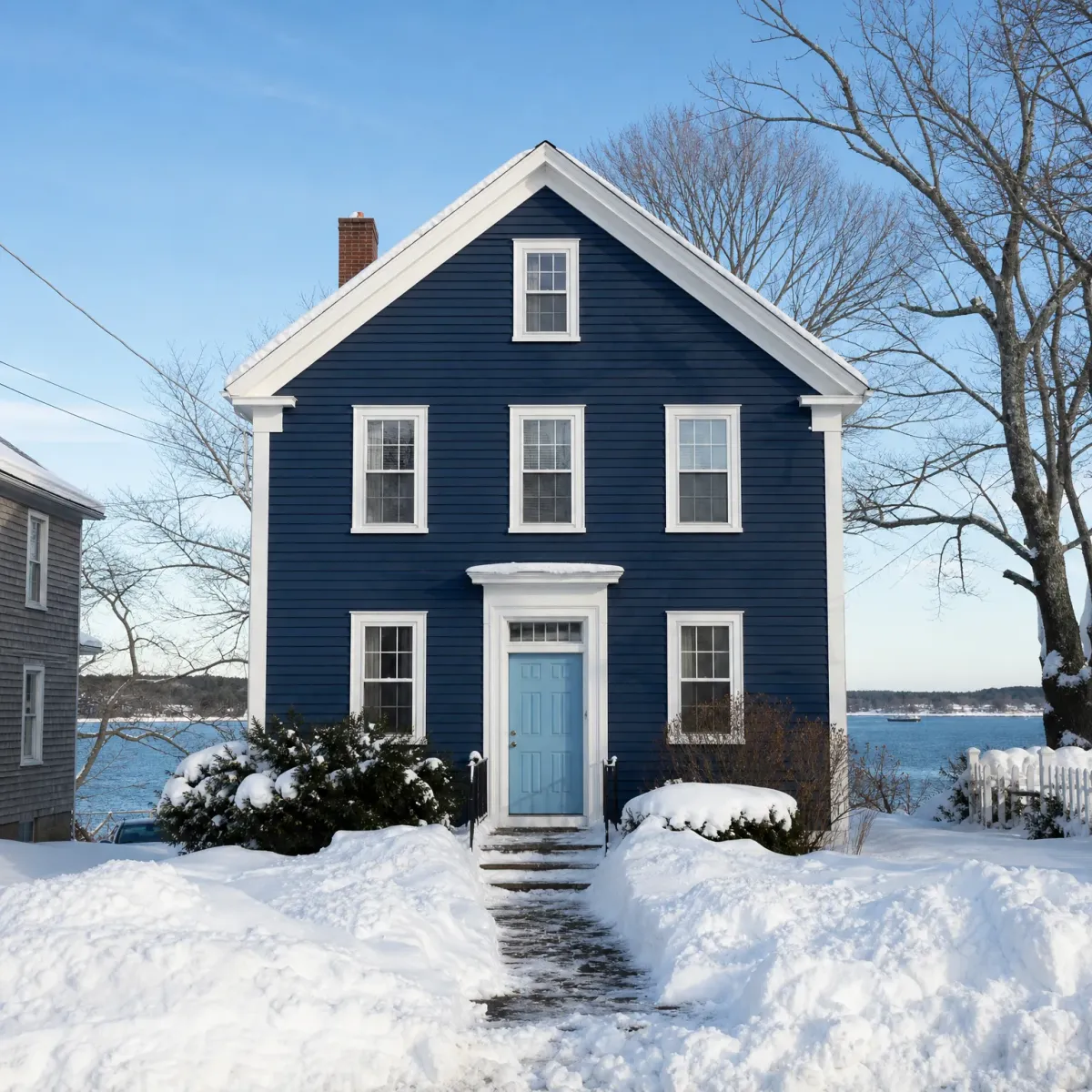
A two-story dark blue clapboard house with white trim and a light blue front door, surrounded by deep snow, with water and a shoreline visible in the background under a clear sky.

Common questions about heat pumps and furnaces

  • Can a heat pump heat a house through a Pennsylvania winter?

    Yes, but a standard heat pump needs help on the coldest nights. Its heating efficiency drops below about 35°F and its output falls short of its rated capacity below 40°F, and the overnight low here averages 24°F across December, January and February. Cold-climate heat pumps hold up better in cold weather, built and tested to keep most of their capacity down to 5°F, which covers all but about one night a year here that drops to 0°F or below.

  • Can I keep my furnace and add a heat pump?

    Yes, and in Bucks County it's a reasonable way to handle winter. The furnace covers the roughly 110 nights a year that hit freezing or below, when a standard heat pump's output falls short of its rating, and the heat pump can run the milder stretches of the eight-month heating season on its own.

  • What if my house heats with oil or propane?

    An oil furnace costs more to run here than either a gas furnace or a heat pump. At Pennsylvania's fuel prices, oil works out to $3.03 per 100,000 Btu, against $2.37 for a heat pump and $1.64 for a gas furnace. If your house heats with oil now, switching to a heat pump costs less to run than staying on oil does.

  • Is a heat pump cheaper to run than a furnace in Bucks County?

    No, a gas furnace is cheaper to run than a heat pump in Bucks County. At Pennsylvania's average prices, a furnace makes 100,000 Btu of heat for $1.64 and a heat pump makes the same heat for $2.37, so the furnace costs about 30% less to run. That heat pump figure assumes no backup heat is needed, and on winter nights here it often is.

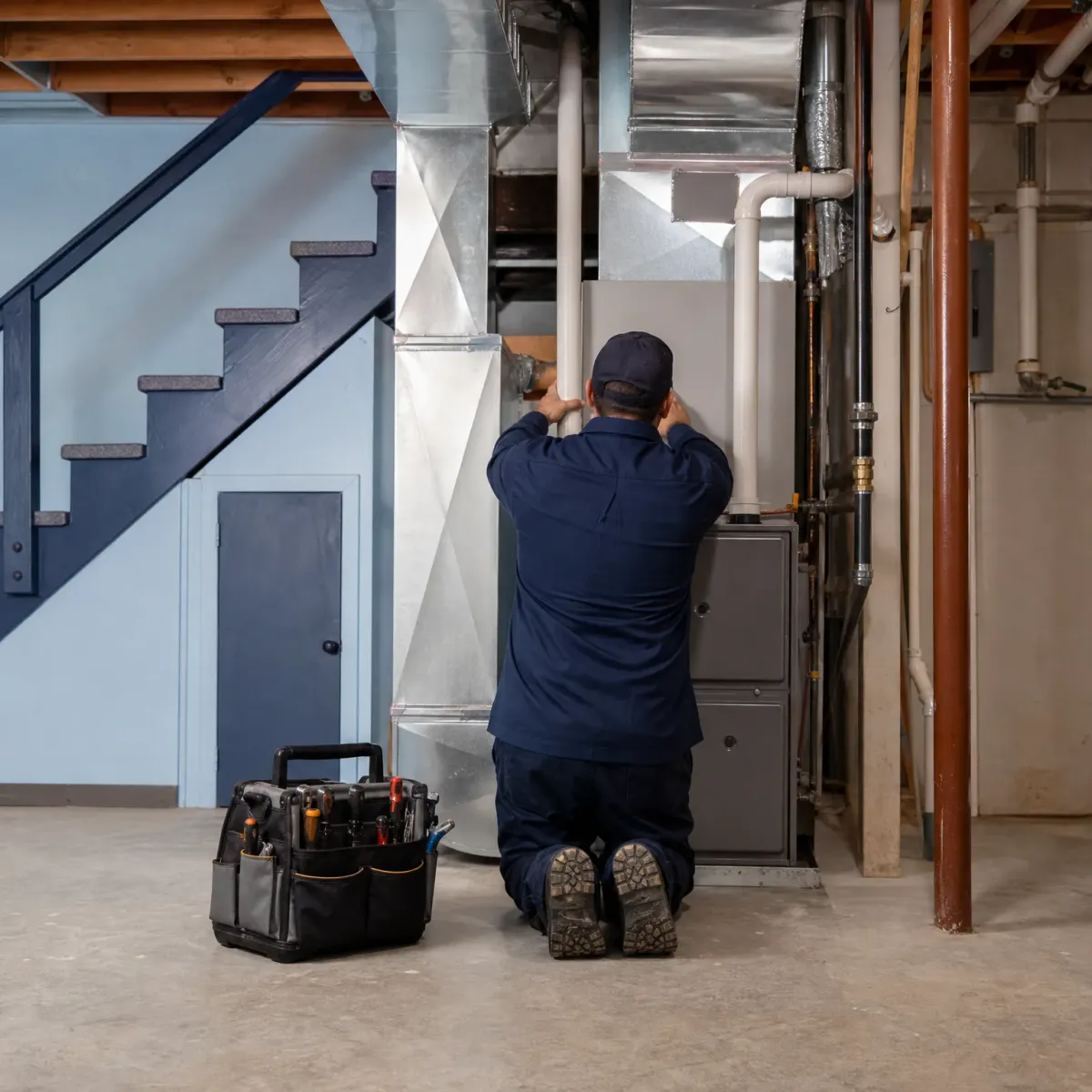
A person in dark blue work clothes and cap kneels in a basement facing a furnace and metal ductwork, with an open tool bag on the floor beside them and a painted staircase in the background.

Tell us about the job

Takes about a minute. No obligation.

Step 1 of 3: Equipment