



What winter here does to a heat pump
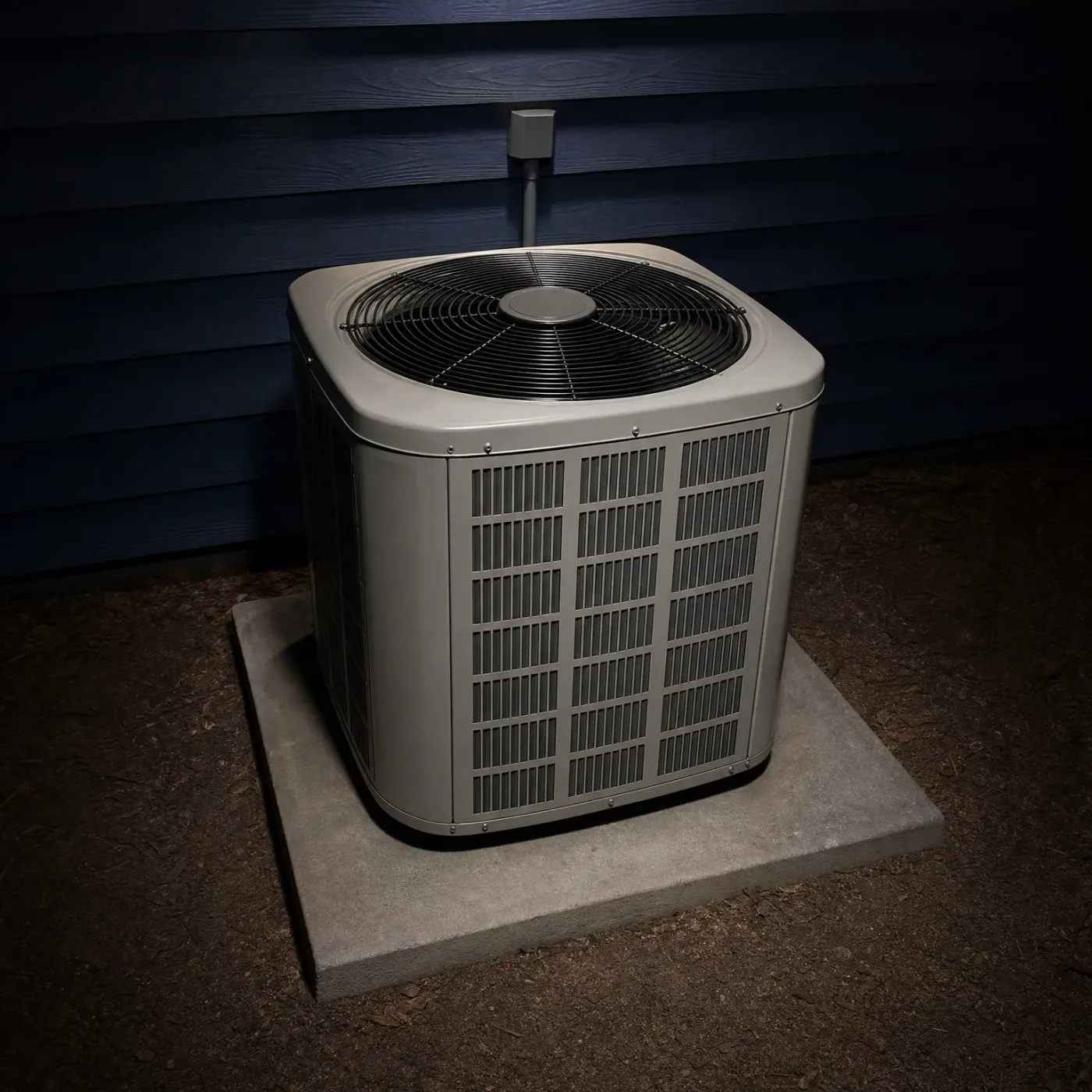
Your heat runs nine months a year in Somerset County, September through May, and the overnight low averages 20°F across December, January and February. That's not a cold snap, that's the normal night. A standard heat pump starts losing ground before it even gets that cold: below 40°F it puts out less heat than its rating, and below about 35°F it usually needs backup heat to keep up. Here, every one of the roughly 145 nights a year at or below freezing falls under both marks.
That doesn't mean a heat pump leaves you cold. It means it's not working alone most of the winter. Below 40°F it's making less heat per hour than its label says, and somewhere under 35°F something else, usually electric resistance heat, is kicking in to cover the gap. That backup heat costs more to run than the heat pump itself, and on the coldest nights, the 6 or so a year that drop to 0°F or below, it may be doing most of the work.
Cold climate heat pumps change this math. To earn the ENERGY STAR Cold Climate label, a heat pump has to keep making real heat at 5°F, at least 1.75 units of heat per unit of electricity, and hold onto 70 percent of its milder-weather capacity at that temperature. Field tests of this kind of equipment in occupied homes found backup heat covering only a small share of the load between 0°F and 35°F, and running on backup alone was rare even above 0°F. That's a different machine than the standard heat pump the running-cost figures assume.