



Can a heat pump keep up with a Crawford County winter
Your heat runs eight months a year here, October through May, and the overnight low averages 20°F across December, January and February. That is below the point where a standard heat pump starts losing ground. Below 40°F a standard heat pump puts out less heat than its rating. Below about 35°F it often needs backup heat to make up the difference. At 20°F average, you are past both marks most of the winter, and on about 135 nights a year here the temperature falls to freezing or below, every one of those nights below both marks too.
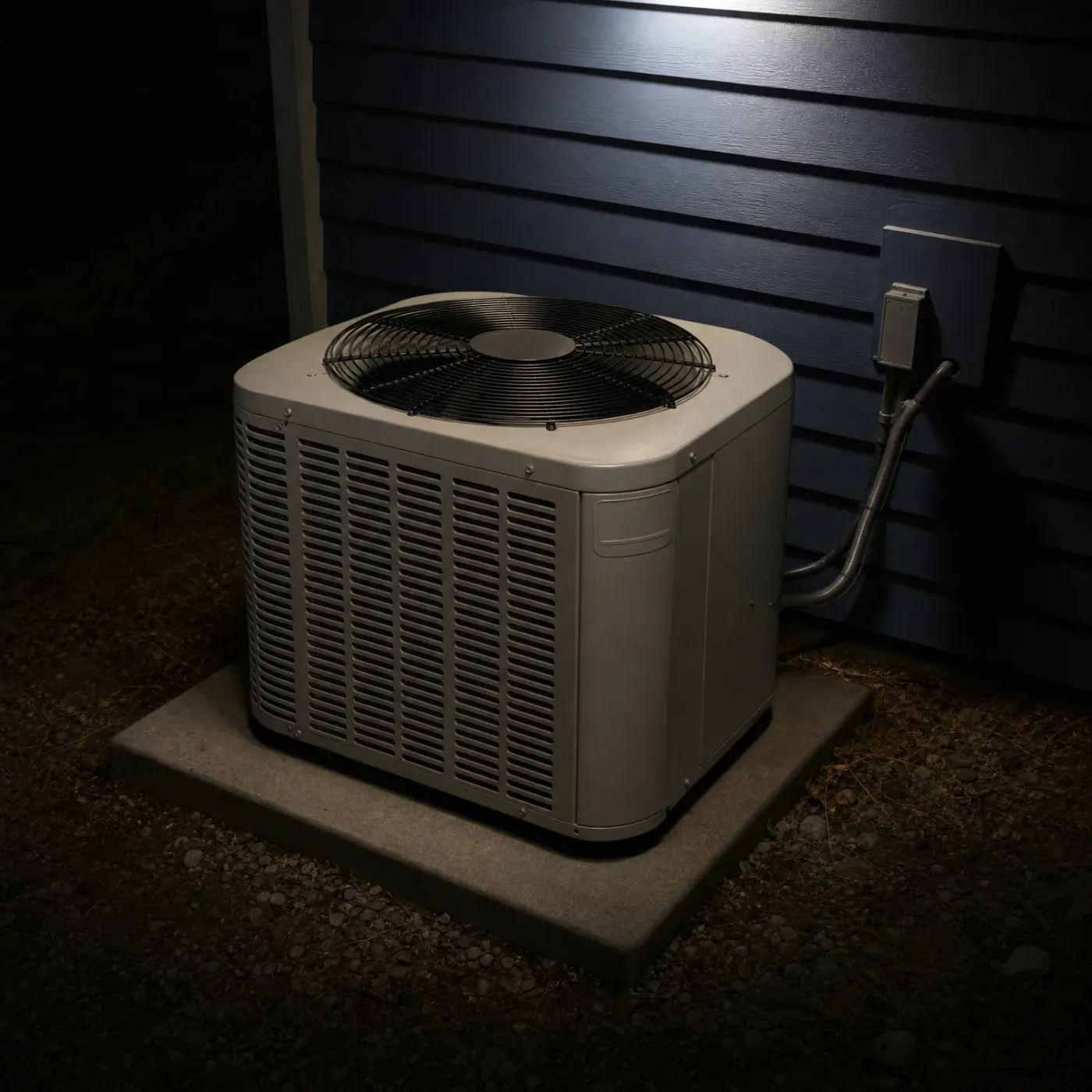
That does not mean a heat pump leaves you cold. It means it needs help on the coldest nights, usually a strip of electric resistance heat built into the unit, or a furnace it hands off to. Six nights a year here drop to 0°F or below. Those are the nights backup heat matters most. A cold-climate heat pump, the kind certified to hold at least 70 percent of its capacity and still make 1.75 units of heat per unit of electricity at 5°F, handles those nights with much less help than a standard model. A field test of these cold-climate units found backup heat covered only a small share of the output between 0°F and 35°F, and running on backup alone was rare even above 0°F. The standard heat pump common in warmer states is not the same machine as the cold-climate one built for a winter like this.
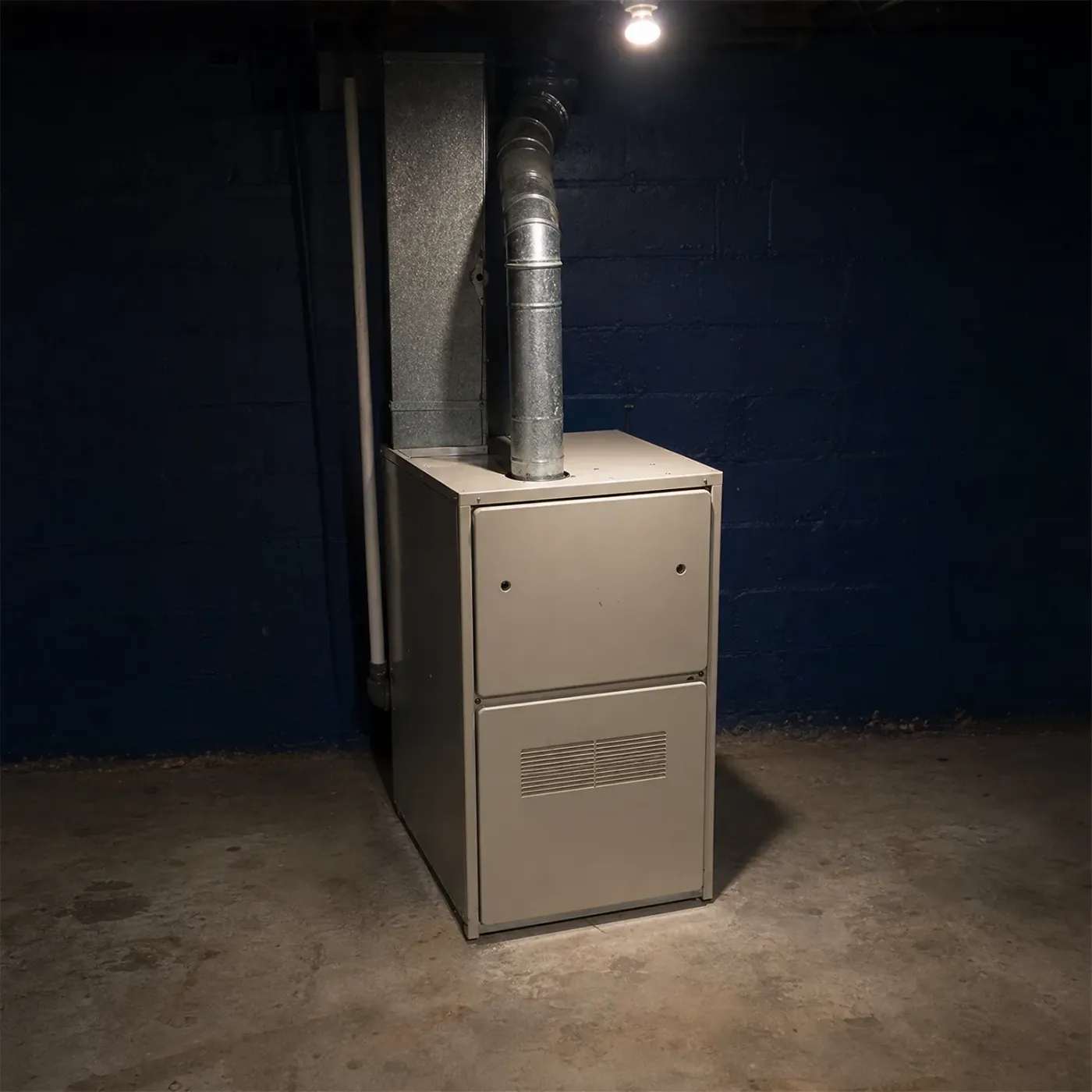
A furnace does not have this problem. It burns fuel to make heat, so outdoor temperature does not touch its output. On the coldest night of the year it heats the same as it does in October.